Taking Root – Building Resilience in Uganda’s Refugee-hosting Communities – Annual Report 2025
URRI’s 2025 Annual Report shares first-year results, stories and lessons from building resilience in Uganda’s refugee-hosting communities.

URRI’s 2025 Annual Report shares first-year results, stories and lessons from building resilience in Uganda’s refugee-hosting communities.

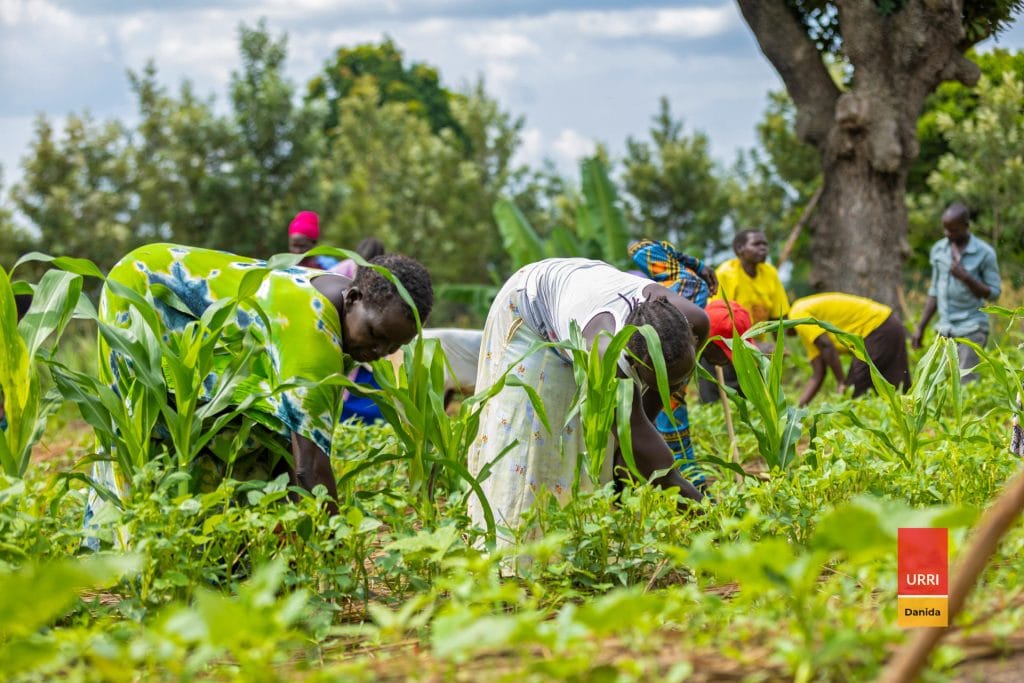
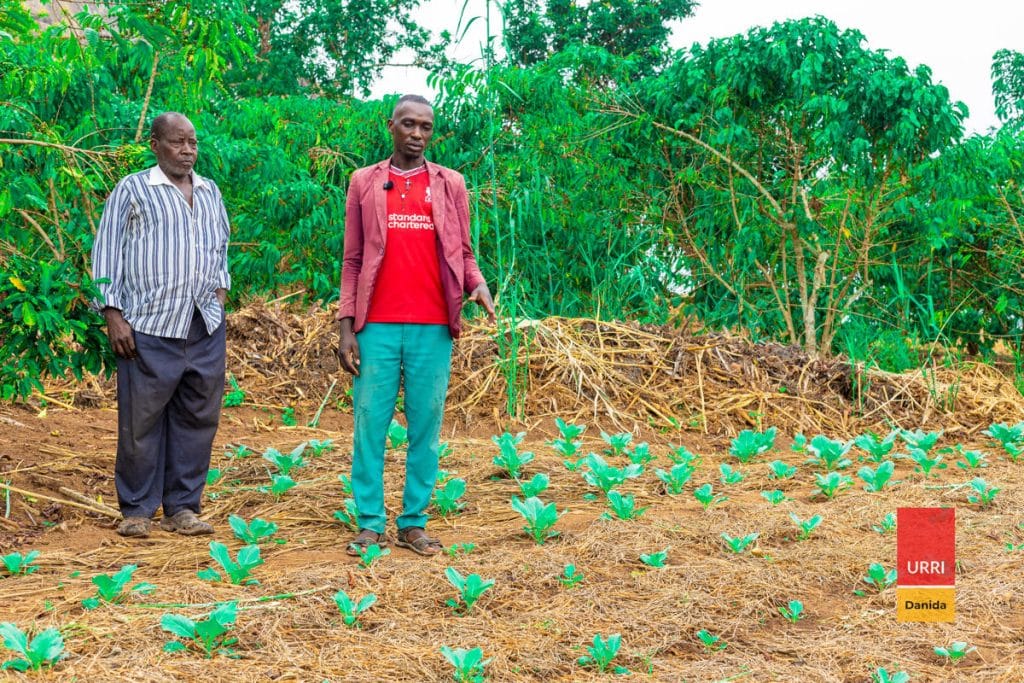
After one year of implementation, URRI is taking stock of the evidence emerging across its work on climate-resilient livelihoods, environmental sustainability, and gender equality and social inclusion.

The partnership between Swisscontact and Home Harvest Limited, funded by USAID’s Uthabiti Activity, sought to improve the horticulture sector in Isingiro District by enhancing access to quality inputs, knowledge, and market opportunities for refugees and hostcommun ities.

The partnership between Swisscontact and Erymag, funded by USAID’s Uthabiti activity, aimed to boost economic activity in Lamwo District, Uganda, by expanding agricultural trade networks.

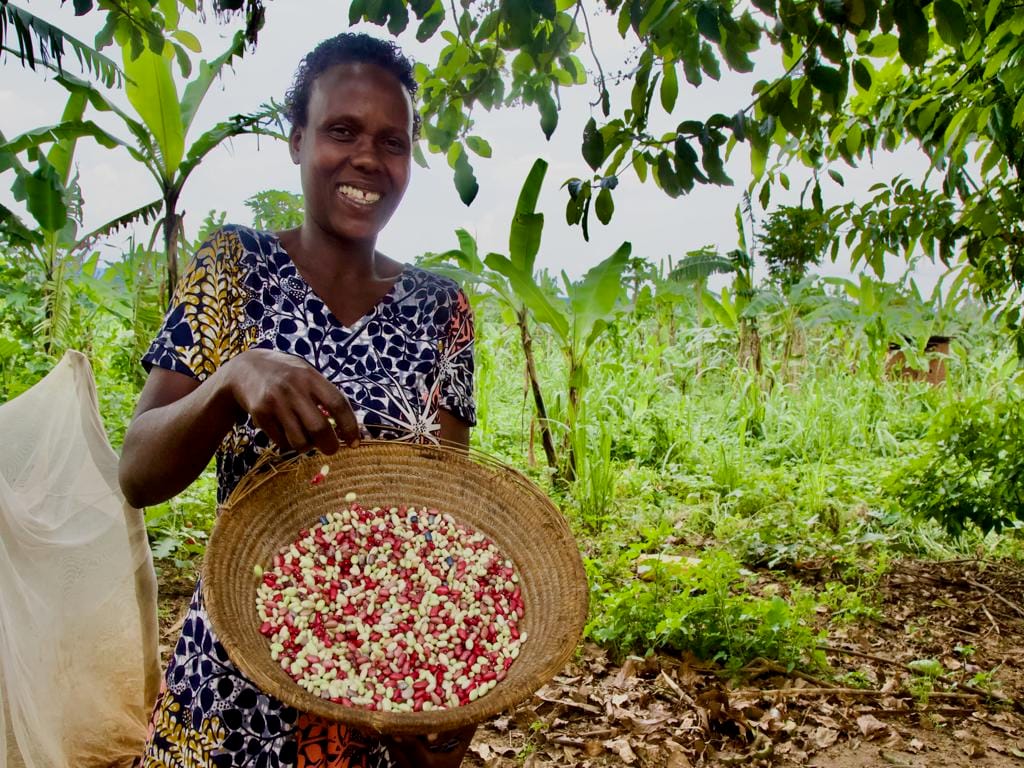
The collaboration between Swisscontact (market facilitator) and Birya United Agencies Ltd (private sector actor) within the USAID-funded Uthabiti Activity aimed to tackle systemic challenges in the dried beans supply chain of the Nakivale settlement.

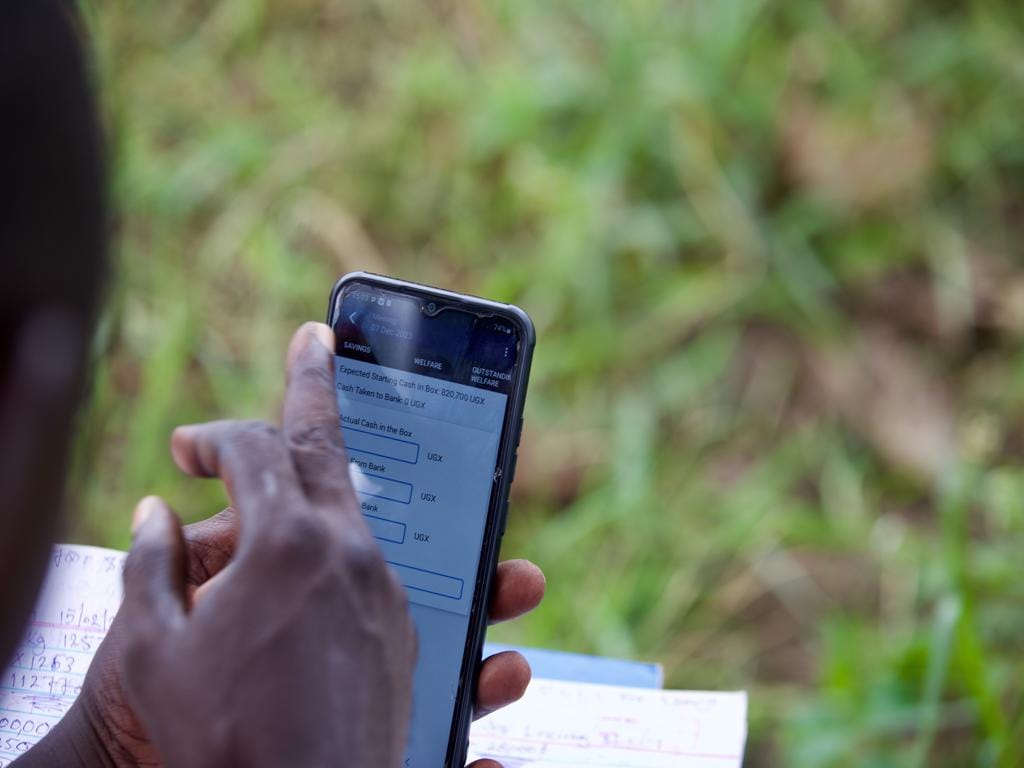
The collaboration between Grameen Foundation and the Rural Finance Initiative (RUFI) in Palabek was dedicated to advancing financial inclusion among refugee and host community members. This partnership focused on increasing access to financial services and digitising Village Savings and Loan Associations (VSLAs) to uplift households, foster self-reliance, and enhance economic
resilience within the targeted population.

Grameen Foundation and UGAFODE partnered on the USAID-funded Uthabiti Activity to boost financial inclusion and resilience in Uganda’s Isingiro District. This summary presents key insights from a learning activity conducted in March 2024These findings shed light on the partnership’s emerging achievements in improving livelihoods and household well-being.

This learning review captures key lessons from five Uthabiti partnerships that strengthened livelihoods for refugees and host communities through financial inclusion, market linkages, agricultural training, and private sector collaboration.

The URRI Gender and Power Analysis (GAP), funded by DANIDA, examined gender inequalities, power dynamics, and opportunities for inclusion across nine refugee-hosting districts in Uganda. Its findings provide the foundation for a Gender Action Plan that will strengthen URRI programming by addressing gender disparities, transforming unequal power relations, and advancing gender equality and social justice.

The URRI baseline assessment, funded by DANIDA, established reference data across nine refugee-hosting districts in Uganda on climate-smart agriculture, natural resource management, and gender inclusion. The findings provide a foundation for tracking URRI’s impact and informing evidence-based programming to strengthen resilience among refugees and host communities.

This summary presents key insights from the URRI baseline assessment carried out in nine refugee-hosting districts of Uganda. The study established reference data on climate-smart agriculture, natural resource management, and gender inclusion to guide programme implementation. Funded by DANIDA, the baseline provides a foundation for tracking progress and measuring the impact of the URRI programme.

This snapshot highlights key findings from a Gender and Power Analysis conducted across nine refugee-hosting districts in Uganda. The study explores existing gender inequalities, community power dynamics, and opportunities to promote inclusion under the Uganda Refugee Resilience Initiative (URRI). Funded by DANIDA, the analysis informs programme strategies to strengthen gender equality and empowerment.