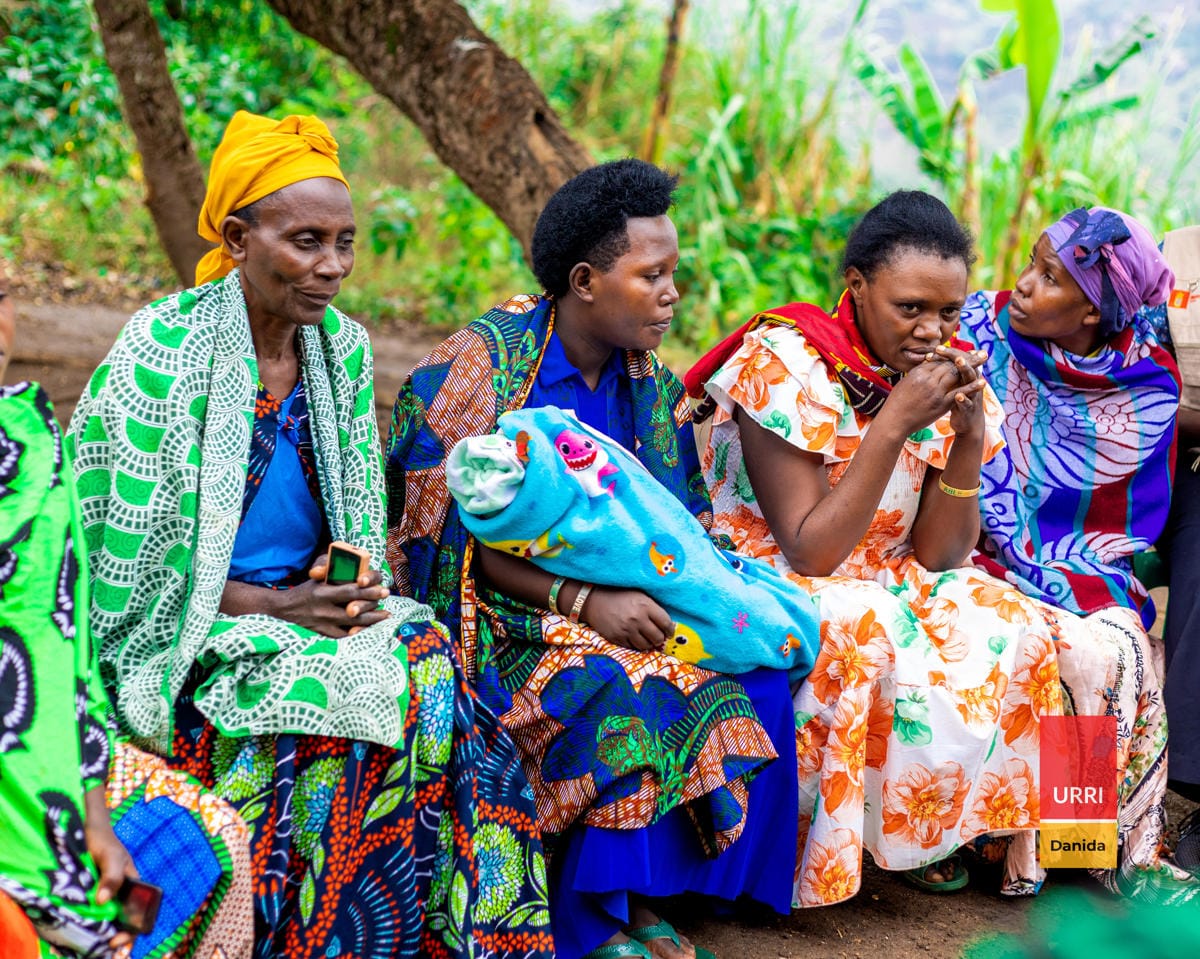
This two-pager explores barriers to equitable land access for women, youth and persons with disabilities in Uganda’s refugee-hosting districts, highlighting emerging solutions and recommendations for more inclusive land governance and self-reliance.


This two-pager explores barriers to equitable land access for women, youth and persons with disabilities in Uganda’s refugee-hosting districts, highlighting emerging solutions and recommendations for more inclusive land governance and self-reliance.
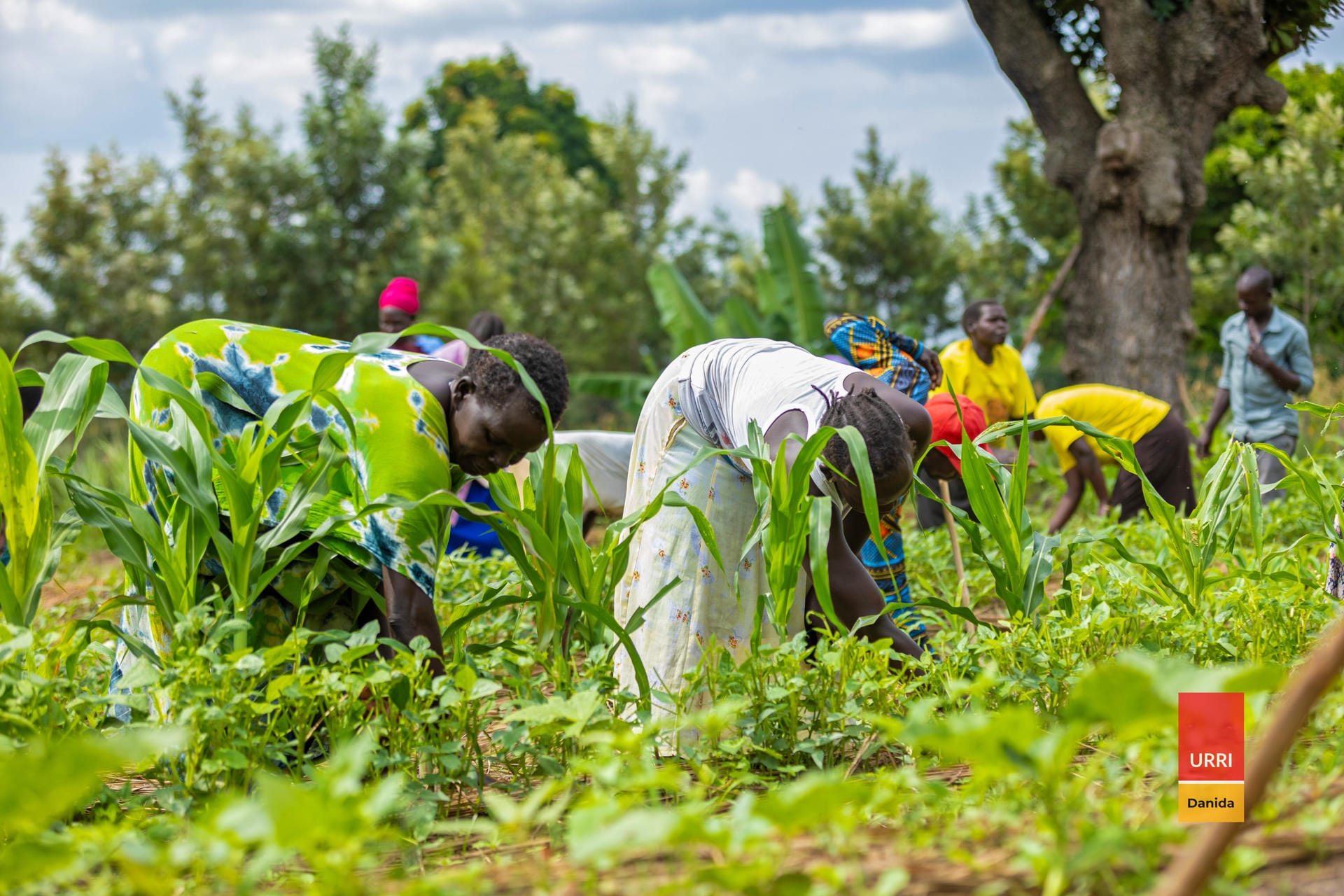
This two-pager explores the links between land access, environmental degradation and refugee self-reliance in Uganda, highlighting emerging solutions and recommendations for sustainable land and natural resources management.
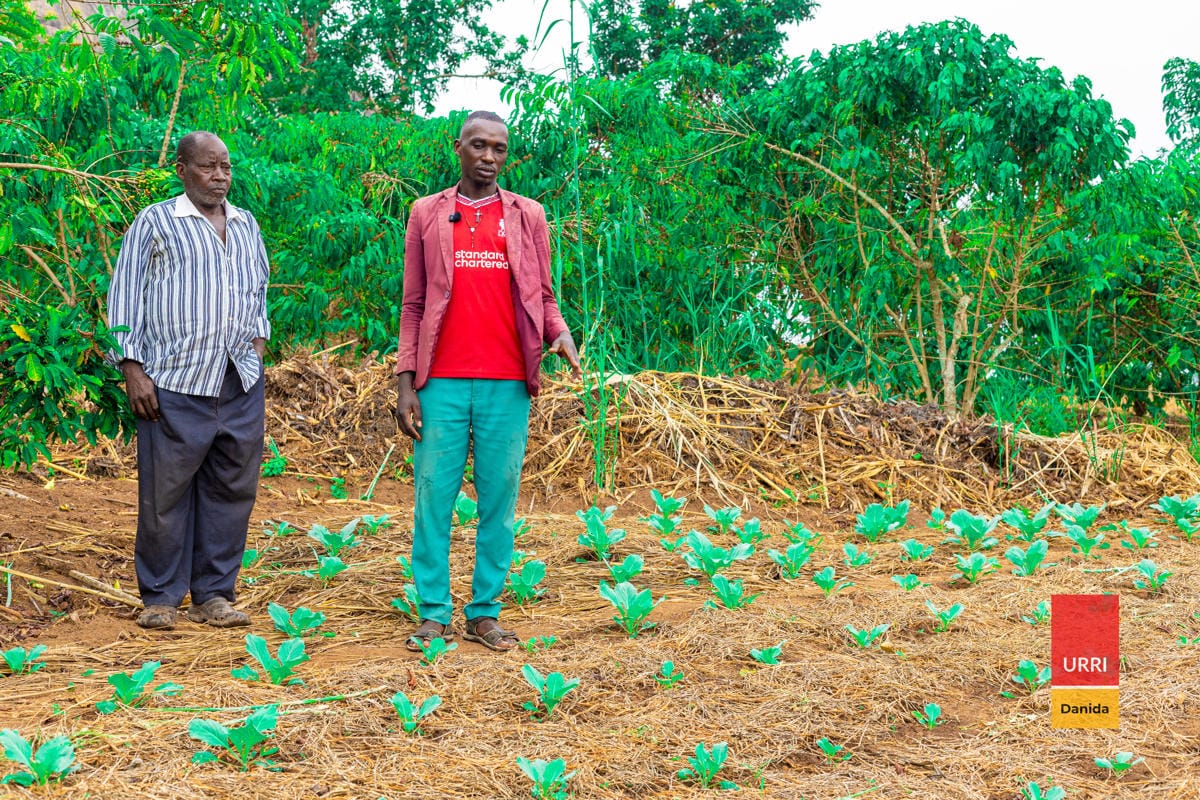
This desk review explores how land access affects food security, livelihoods and self-reliance in Uganda’s refugee-hosting districts. It highlights key challenges, emerging good practices and recommendations for more secure, inclusive and sustainable land use.
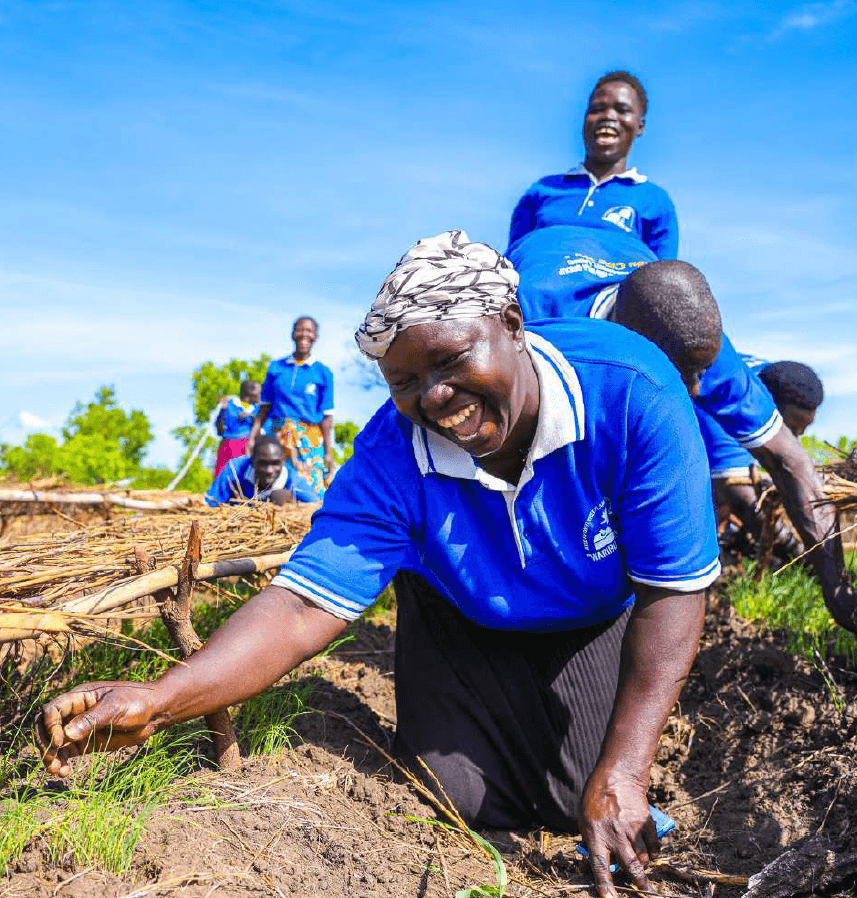
URRI’s 2025 Annual Report shares first-year results, stories and lessons from building resilience in Uganda’s refugee-hosting communities.
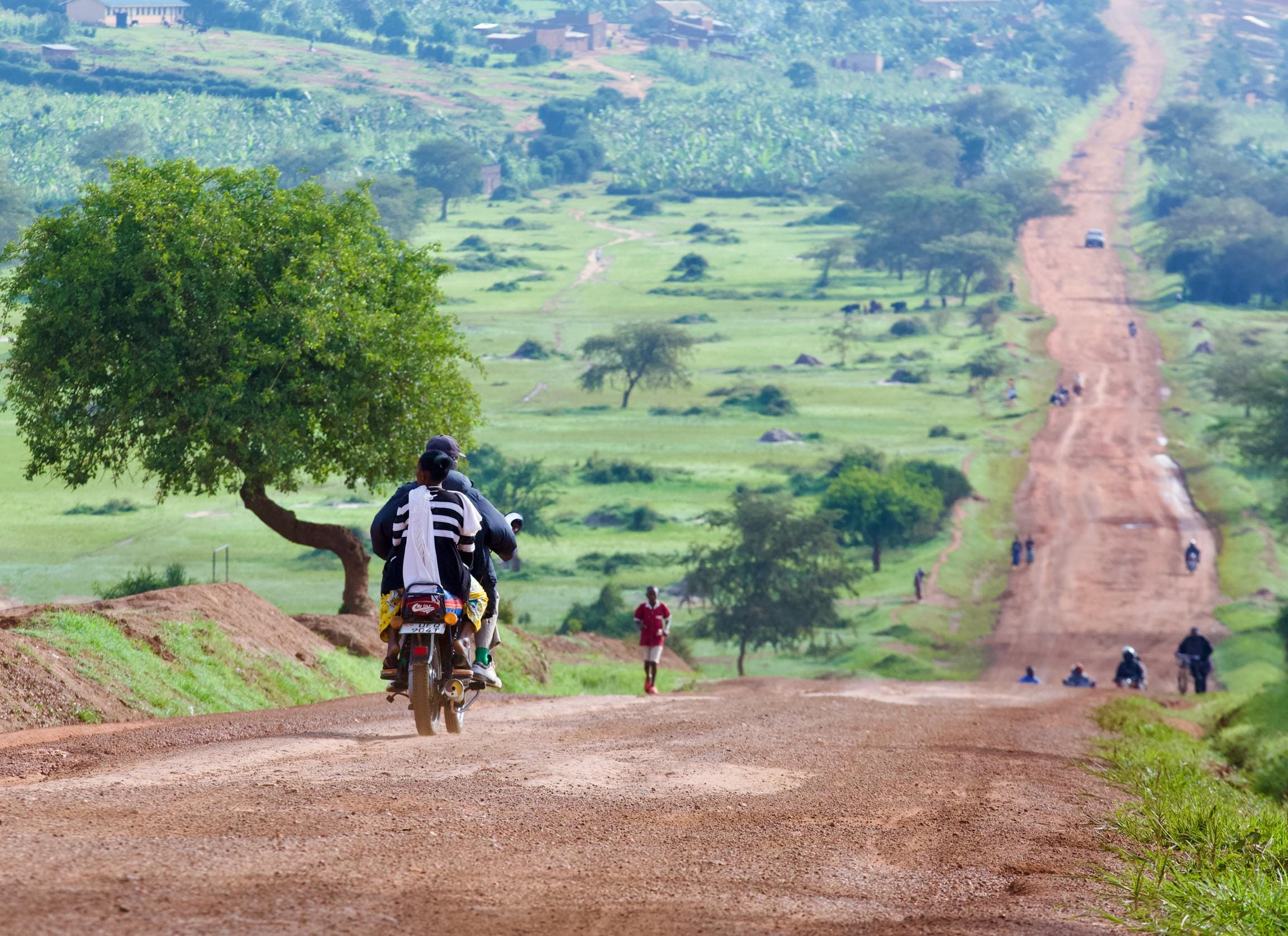
After one year of implementation, URRI is taking stock of the evidence emerging across its work on climate-resilient livelihoods, environmental sustainability, and gender equality and social inclusion.
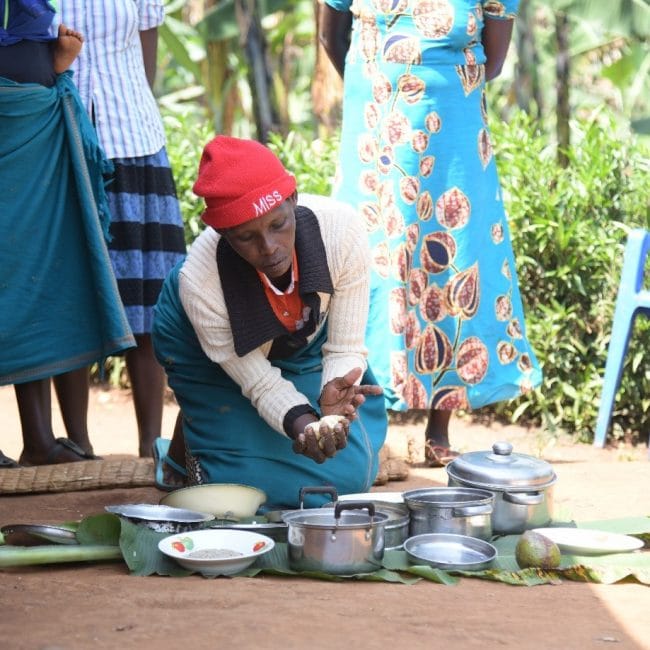
This blog reflects on how self-reliance has been conceptualised and operationalised in Uganda and on the programmatic pathways actors are prioritising today. It also summarizes the progress made towards reaching the GRF pledge made by the Government of Uganda on resilience and self-reliance. Emphasi
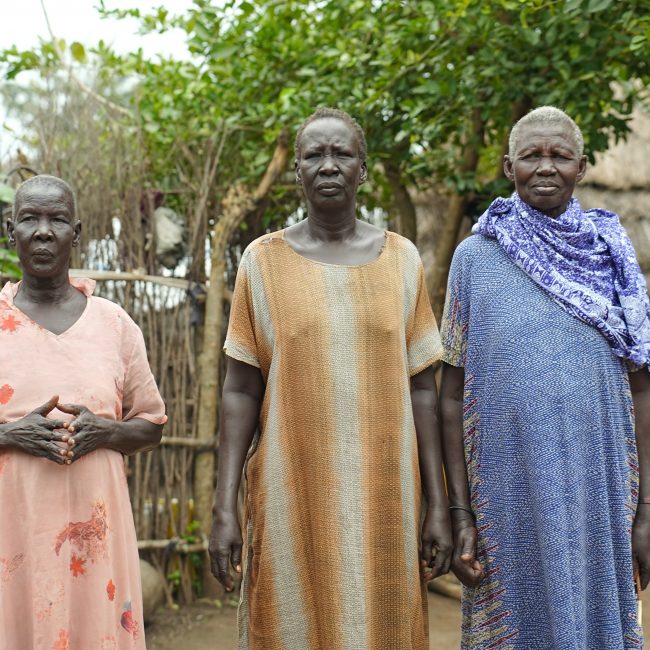
Results from 20 organisations enrolled in U-Learn’s AAP in Action (AAPA) program in Uganda’s refugee response
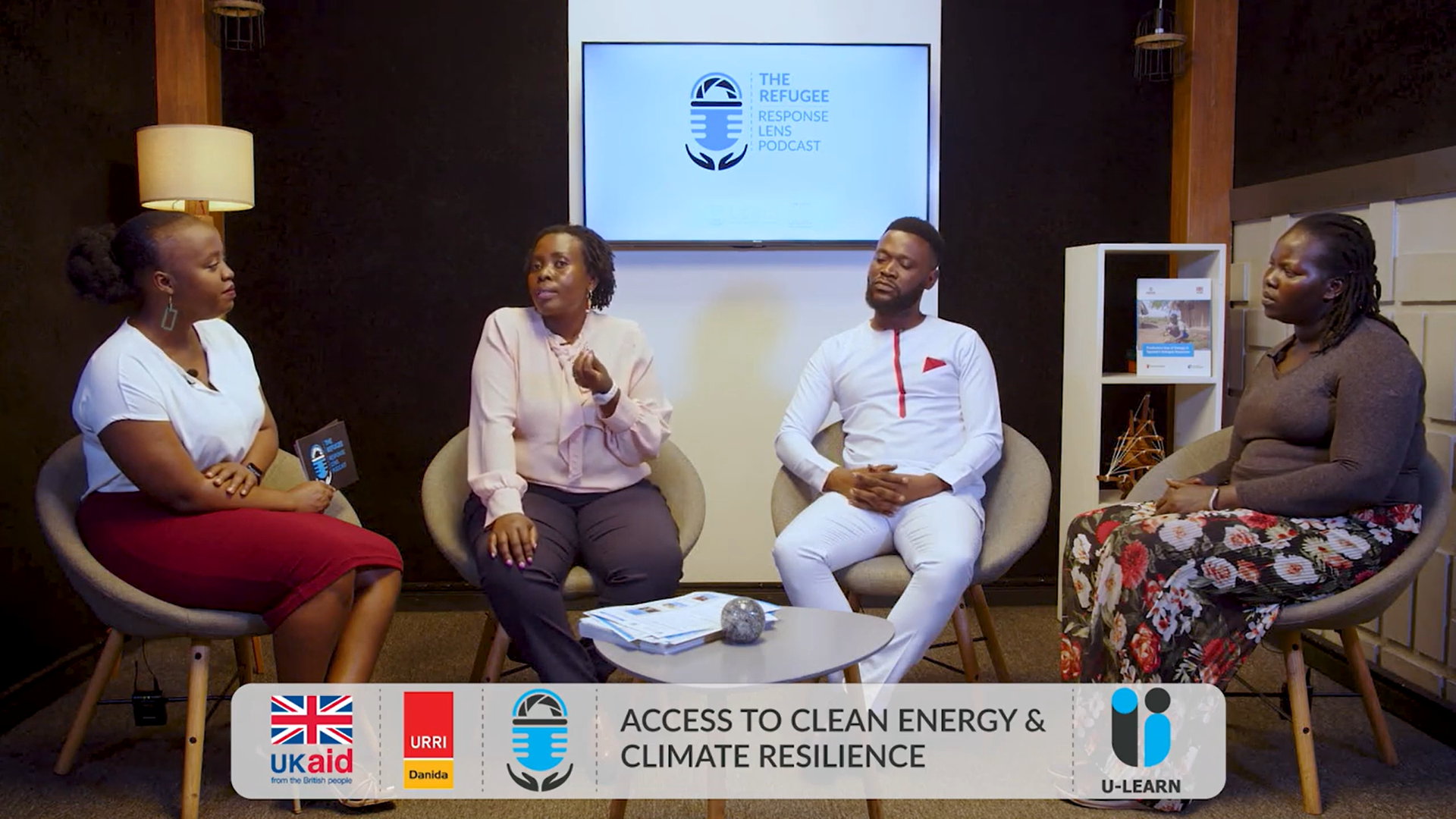
Discover the new U-Learn podcast, The Refugee Response Lens, launched in partnership with UKAID. In the first episode, experts explore clean energy, climate resilience and the chal