Tag: Resilience

Summary of the Uganda Self-Reliance Index (UG-SRI) Baseline report

The Uganda Self-reliance Index (UG-SRI) baseline report summary shows a summary of the key findings findings from the baseline study whose objective was to enhance the understanding, coordination, measurement, and tracking of self-reliance among refugees and host communities in Uganda.
URRI baseline assessment report – July 2025

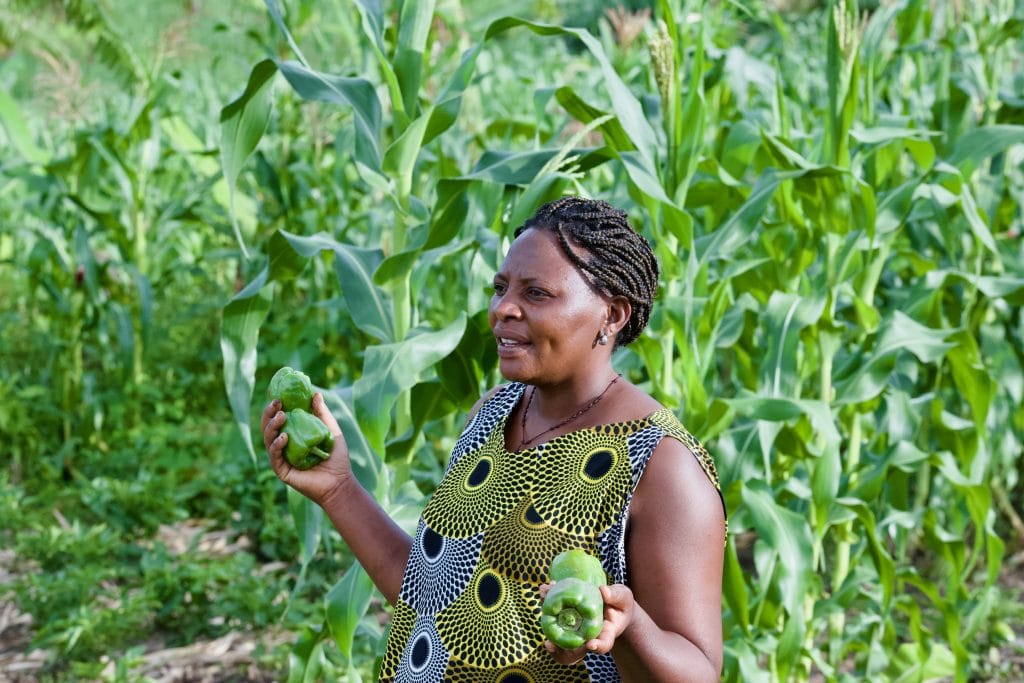
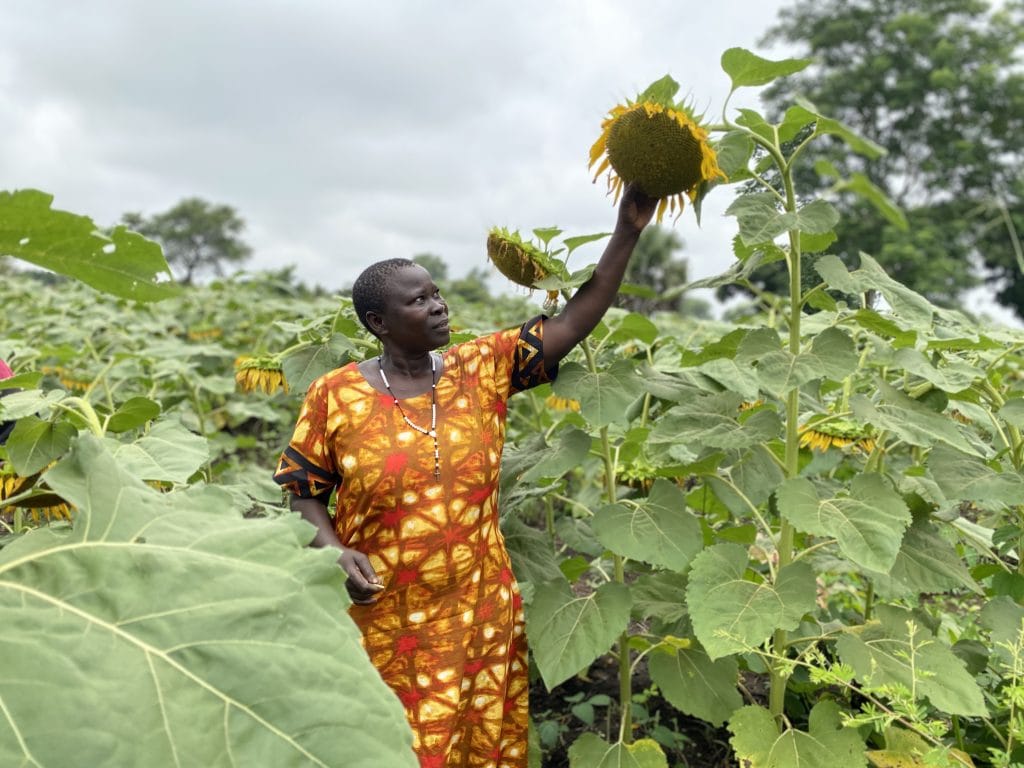
The URRI baseline assessment, funded by DANIDA, established reference data across nine refugee-hosting districts in Uganda on climate-smart agriculture, natural resource management, and gender inclusion. The findings provide a foundation for tracking URRI’s impact and informing evidence-based programming to strengthen resilience among refugees and host communities.

Summary of URRI baseline assessment

This summary presents key insights from the URRI baseline assessment carried out in nine refugee-hosting districts of Uganda. The study established reference data on climate-smart agriculture, natural resource management, and gender inclusion to guide programme implementation. Funded by DANIDA, the baseline provides a foundation for tracking progress and measuring the impact of the URRI programme.

Summary of URRI Gender and Power Analysis

This snapshot highlights key findings from a Gender and Power Analysis conducted across nine refugee-hosting districts in Uganda. The study explores existing gender inequalities, community power dynamics, and opportunities to promote inclusion under the Uganda Refugee Resilience Initiative (URRI). Funded by DANIDA, the analysis informs programme strategies to strengthen gender equality and empowerment.

Northern Uganda Resilience Initiative (NURI) lessons

Lessons form the Northern Uganda Resilience Initiative (NURI), a programme (2019-2022) financed by Denmark’s Ministry of Foreign Affairs as part of the Uganda Country Programme.

NURI aimed to enhance the resilience and equitable economic development of refugees and refugee hosting communities in Northern Uganda.

Mobile TVET programming in the Uganda refugee response

This case study provides a deeper understanding of how the employment of Mobile Technical Vocational Education and Training (TVET) programming in refugee response addresses some of the barriers faced by last-mile populations in accessing traditional TVET opportunities.

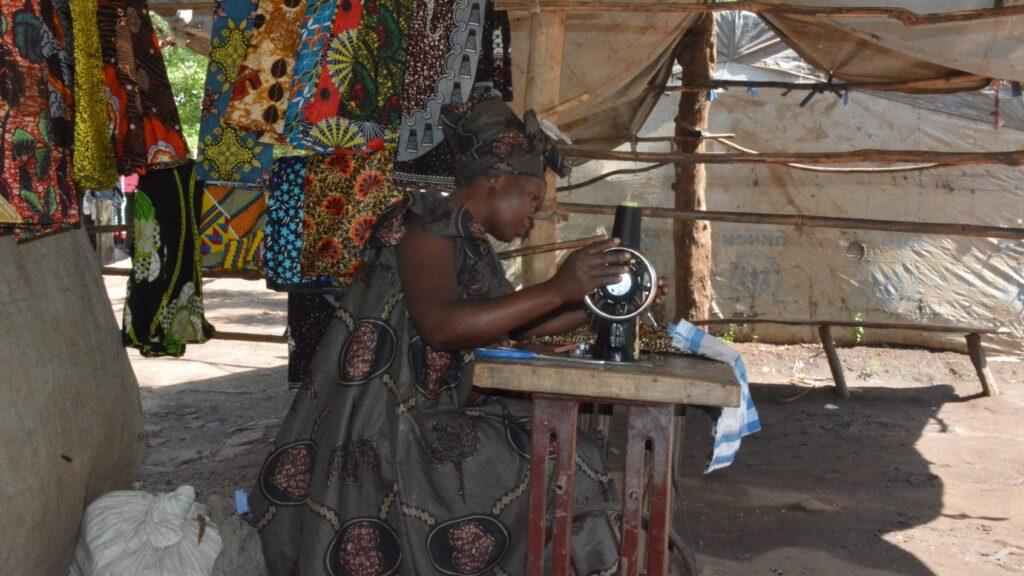
woman with sewing machine

Entrepreneurship desk review

This publication examines trends, challenges, and findings from 25 sources from the last 13 years (2010–2022) in relation to the Ugandan refugee response. It covers microenterprises and small enterprises, with a focus on rural and settlement-level entrepreneurs.

Agricultural Value Chains Strategic Positioning Paper

This Agricultural Value Chains strategic positioning paper provides a roadmap to support Livelihoods and Resilience Sector Working Group (LRSWG) members’ efforts to increase farmers’ income, improve their self-sufficiency.

Refugees Exhibit more Resilience

Refugees Exhibit More Resilience To Shocks Than Households – New study

Uganda’s host and refugee households are having the same recovery proportions as the East African nation emerges from the coronavirus pandemic, preliminary findings from a recent study show.

However, refugees in Koboko District recovered more than the host though still with lower Resilience Capacity Index (RCI). RCI measures household capacity to avoid stresses and shocks from having long lasting harmful effects.

“Intervention: Resilience and Emergency Response (BRIDGE)” – Lessons Learned and Recommendations

Final Evaluation of BRIDGE intervention, implemented by Mercy Corps in the West Nile.
Between May and July U-Learn supported Mercy Corps, an FCDO BRAER partner, in conducting the final evaluation of their BRIDGE intervention. The intervention focused on the implementation of the Market System Development approach and on the Innovation Centers launch in the West-Nile. The evaluation used different criteria to assess the impact, effectiveness and sustainability of the intervention.
Although the full results are confidential, lessons learned and recommendations for similar interventions were disseminated at the Livelihoods and Resilience Working Group in August
2021.