Author: admin

Private Sector Actor Mapping

This climate actor mapping provides a comprehensive overview of sector actors involved in the climate response within Uganda’s refugee context, focusing on their role in supporting environmental sustainability and resilience through various initiatives.

Northern Uganda Resilience Initiative (NURI) lessons

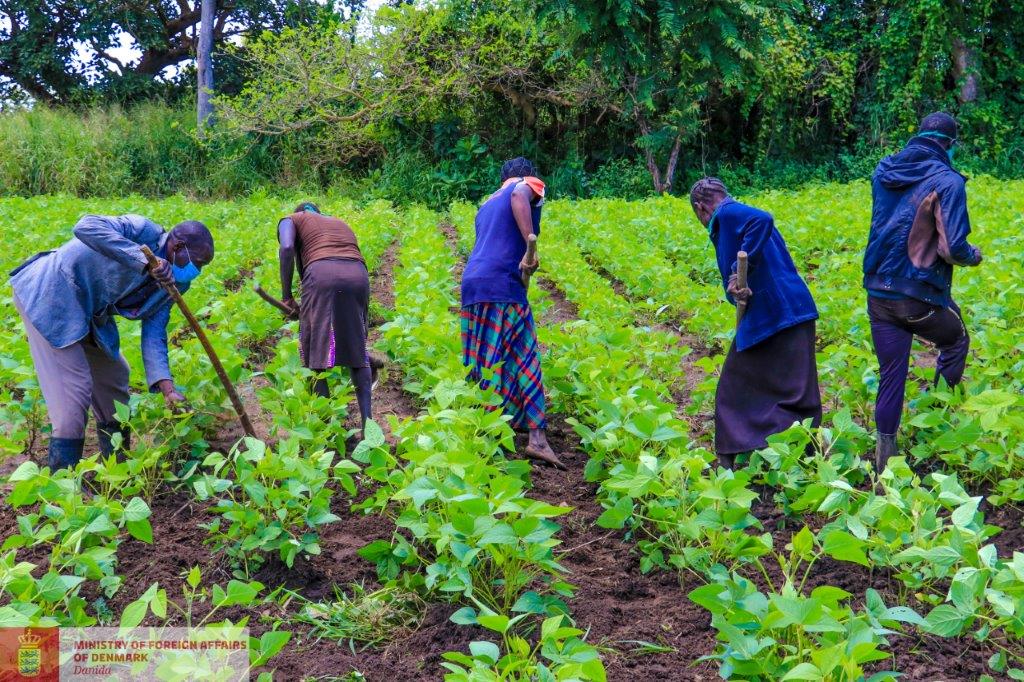
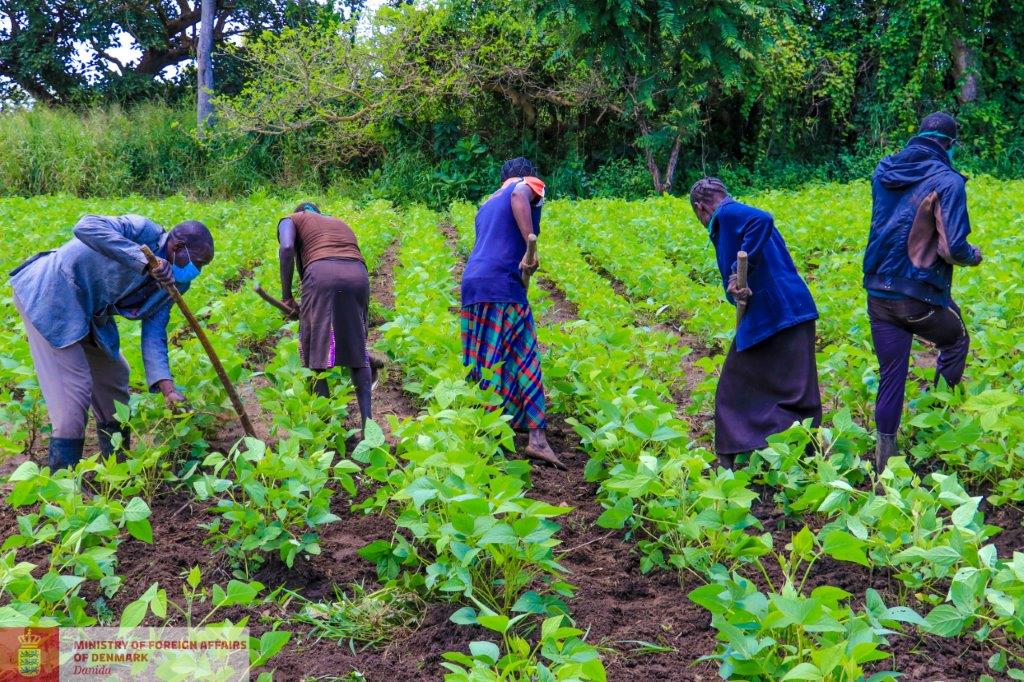
Lessons form the Northern Uganda Resilience Initiative (NURI), a programme (2019-2022) financed by Denmark’s Ministry of Foreign Affairs as part of the Uganda Country Programme.

NURI aimed to enhance the resilience and equitable economic development of refugees and refugee hosting communities in Northern Uganda.

U-Learn achievements 2020-2024

November 7, 2024 This 2 pager gives an overview of U-Learn’s achievements for the 3 components (AAP, Research, Learning) since 2020.  Pdf reader will load

Learning Hub factsheet

October 23, 2024 This 2 pager gives a overview of how the Learning component of U-Learn, the Learning Hub, works and its achievements. Pdf reader

Uthabiti Activity factsheet

October 23, 2024 Uthabiti, meaning ‘resilience’ in Swahili, is a three-year humanitarian-development nexus activity funded by the United States Agency for International Development’s (USAID’s) Bureau

Refugee Response Climate and Energy Actor Mapping

This climate actor mapping provides a comprehensive overview of sector actors involved in the climate response within Uganda’s refugee context, focusing on their role in supporting environmental sustainability and resilience through various initiatives.

Overview U-Learn Mappings

September 3, 2024 In this PDF you will find the latest overview of U-Learn Mappings.  Pdf reader will load below Download

Productive Use of Energy in Uganda’s Refugee Response – Annotated bibliography

This curated collection delves into the intersection of energy utilization and humanitarian efforts within the context of Uganda’s refugee response. As the global community grapples with unprecedented displacement challenges, understanding how energy can be harnessed productively is crucial for enhancing the resilience and self-sufficiency of refugee populations.

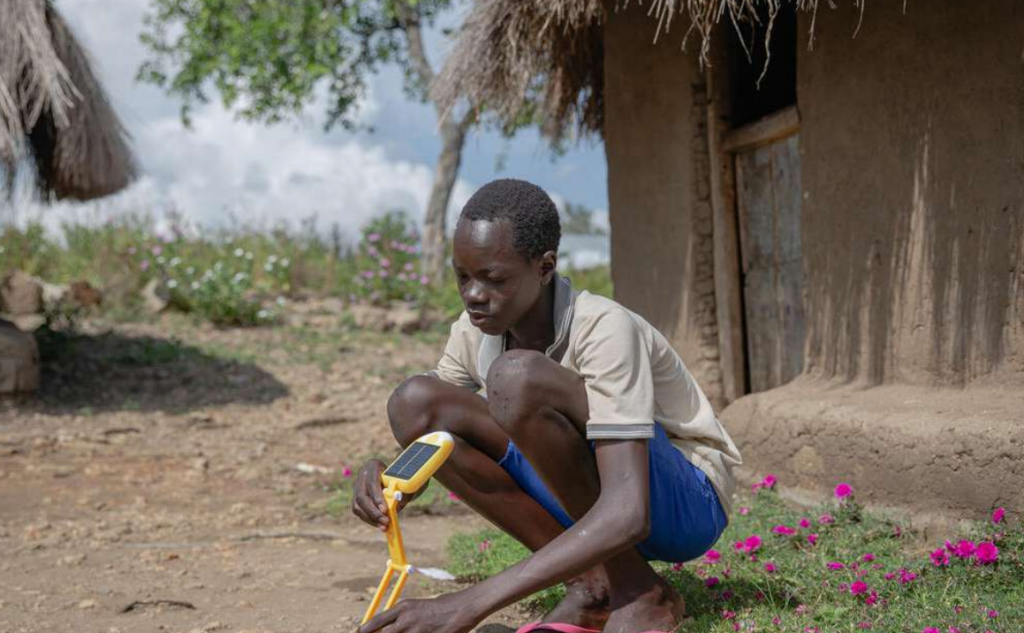
boy with solar light

Productive Use of Energy in Uganda’s Refugee Response

This desk review provides an overview and accessible summary of existing resources on the Productive Use of Energy (PUE) in Uganda Refugee Response. It lays out the background on of PUE and its applications, as well as the national frameworks that guide PUE’s adoption in Uganda.

Uganda Skilling Exchange

The Uganda Response Innovation Lab (U-RIL) is an interactive tool to bridge the skills gap in refugee and host communities in Uganda.
Mobile TVET programming in the Uganda refugee response

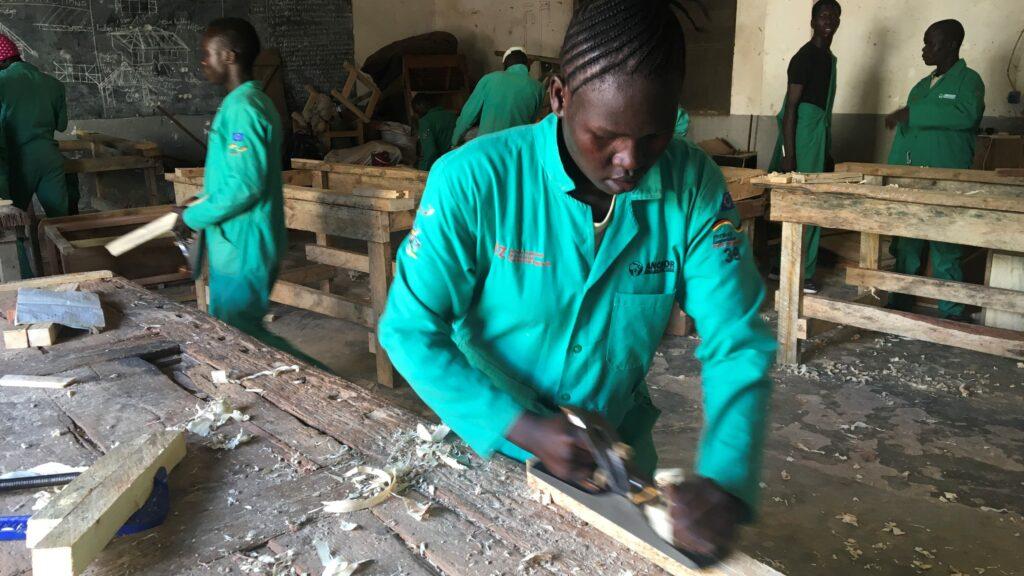
This case study provides a deeper understanding of how the employment of Mobile Technical Vocational Education and Training (TVET) programming in refugee response addresses some of the barriers faced by last-mile populations in accessing traditional TVET opportunities.

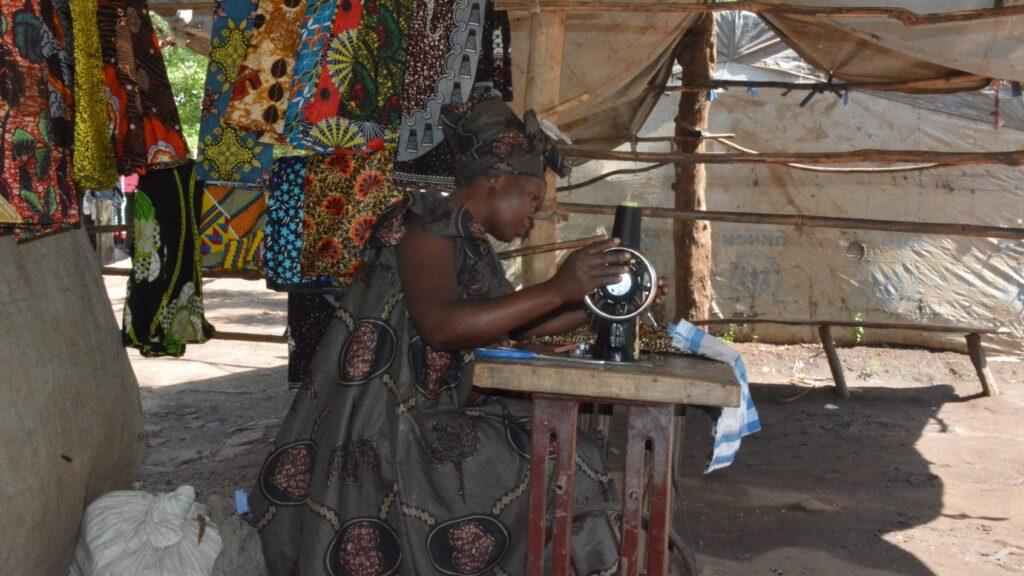
woman with sewing machine

Entrepreneurship desk review

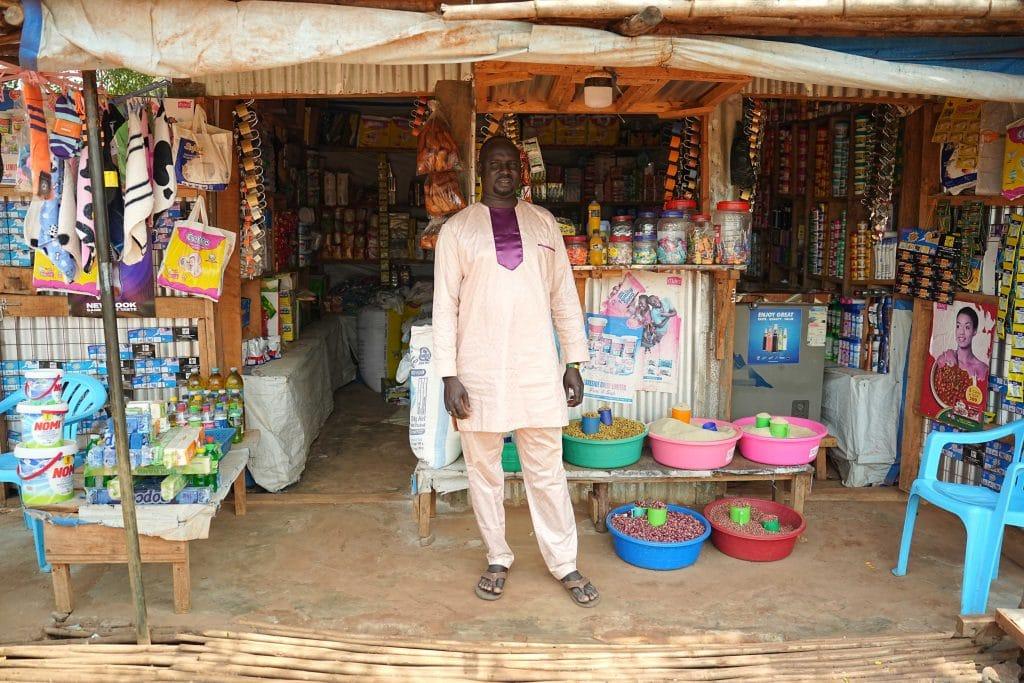
This publication examines trends, challenges, and findings from 25 sources from the last 13 years (2010–2022) in relation to the Ugandan refugee response. It covers microenterprises and small enterprises, with a focus on rural and settlement-level entrepreneurs.

Agricultural Value Chains Strategic Positioning Paper

This Agricultural Value Chains strategic positioning paper provides a roadmap to support Livelihoods and Resilience Sector Working Group (LRSWG) members’ efforts to increase farmers’ income, improve their self-sufficiency.

fin tech

Fin-tech Actor Mapping

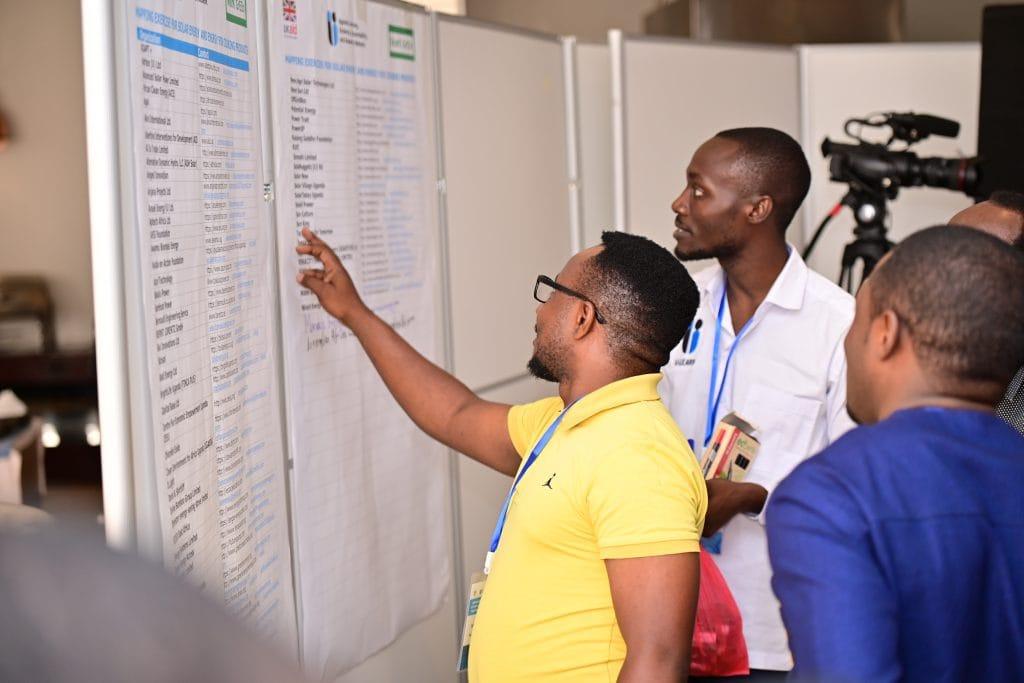
This Fin-tech mapping gives a detailed view on Private Sector Actor (PSA) operating in the Digital Financial services space in the Uganda refugee response. 

Agri-tech Actor Mapping

This mapping covers Agri-tech service providers offering services in the refugee response: settlements, as well as refugee hosting districts and Kampala.
Refugees Exhibit more Resilience

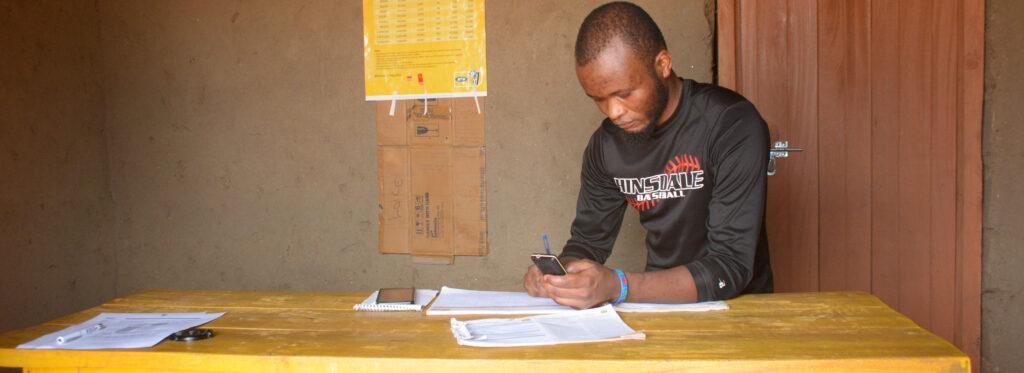
Refugees Exhibit More Resilience To Shocks Than Households – New study

Uganda’s host and refugee households are having the same recovery proportions as the East African nation emerges from the coronavirus pandemic, preliminary findings from a recent study show.

However, refugees in Koboko District recovered more than the host though still with lower Resilience Capacity Index (RCI). RCI measures household capacity to avoid stresses and shocks from having long lasting harmful effects.

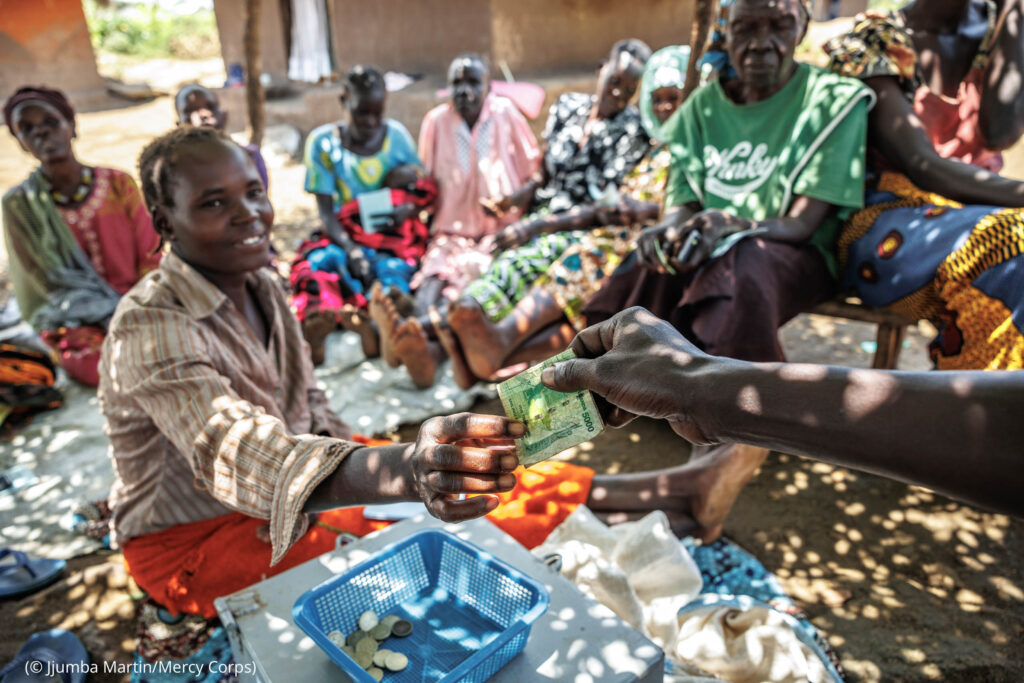
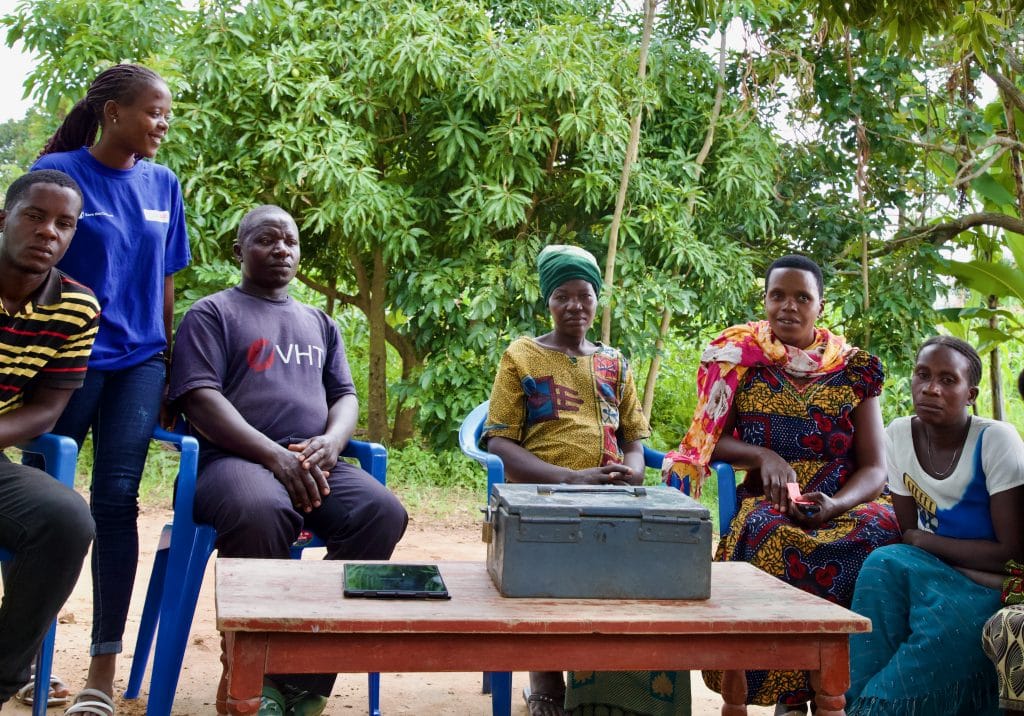
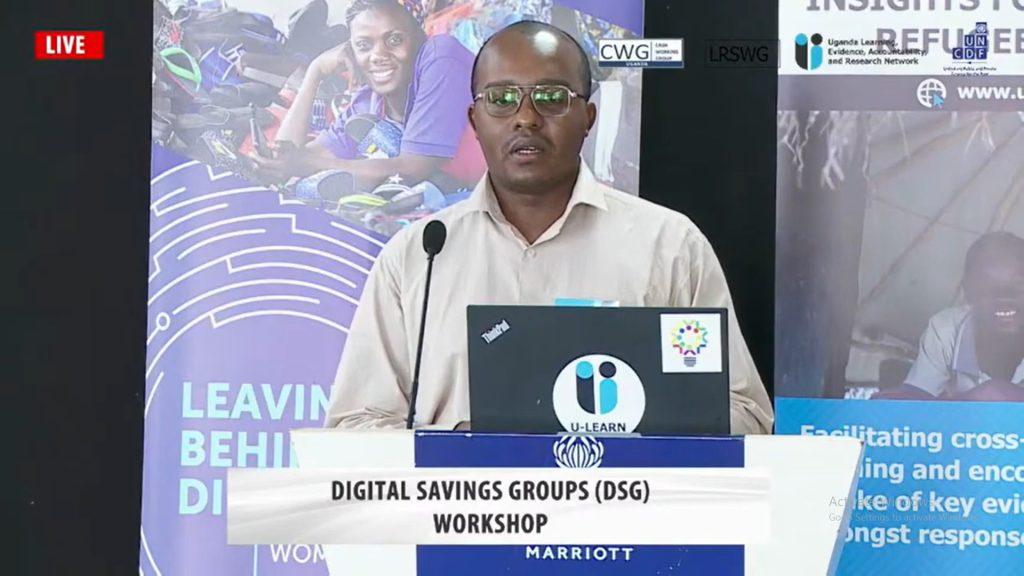
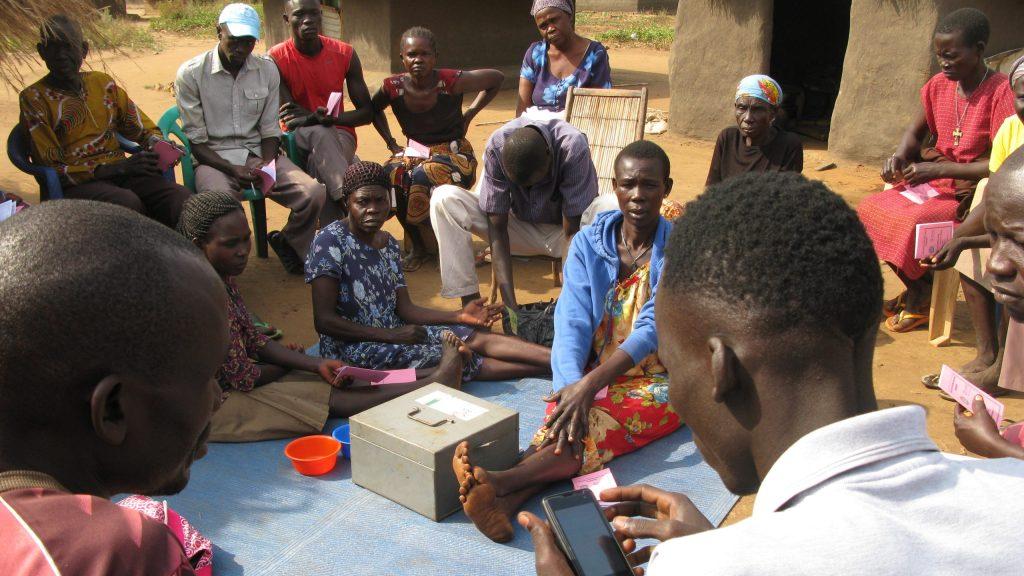
Digital Savings Groups in Uganda – A Learning Brief

The Digital Savings Group Learning brief offers critical reflections on whether a savings group in the Uganda refugee response is ready to go digital, on the objectives for pursuing digitisation/digitalisation, and on key challenges in making the shift.