Climate Hazard Assessment – Yumbe District
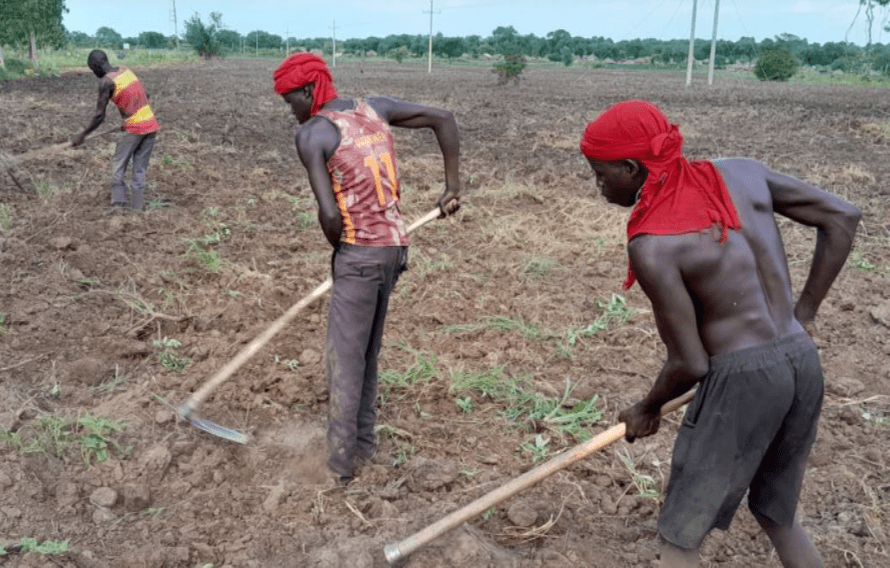
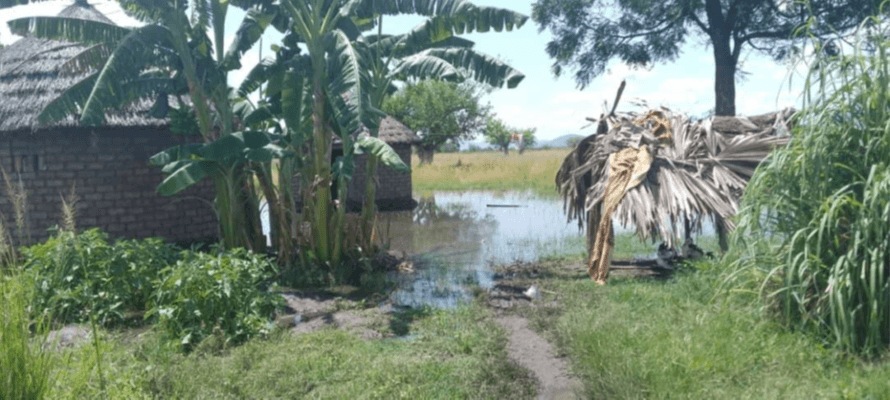
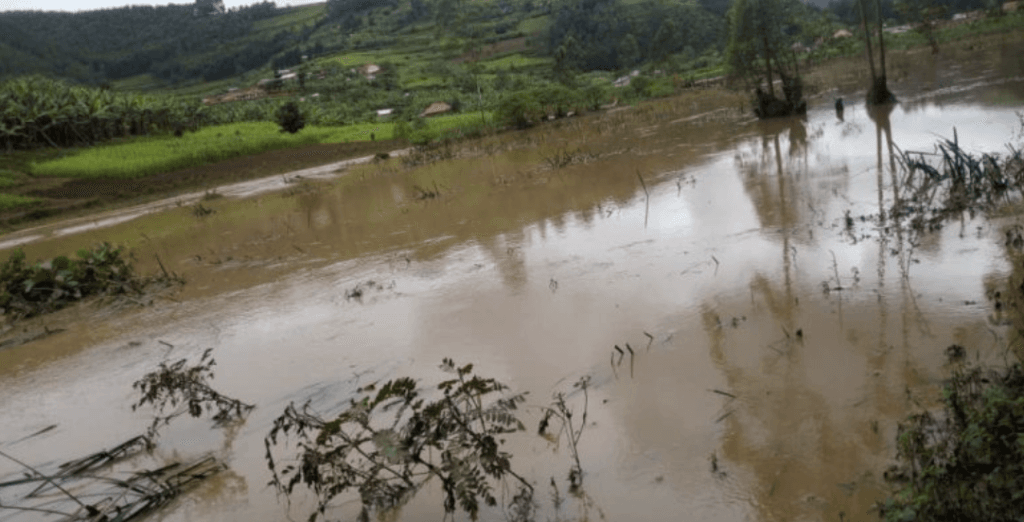
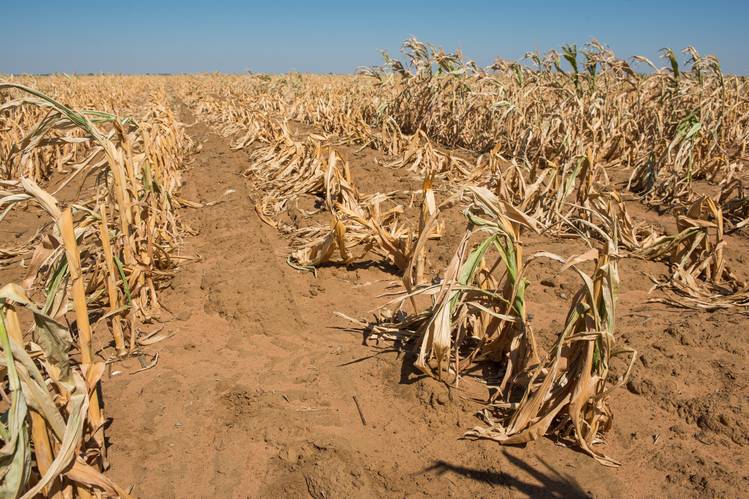
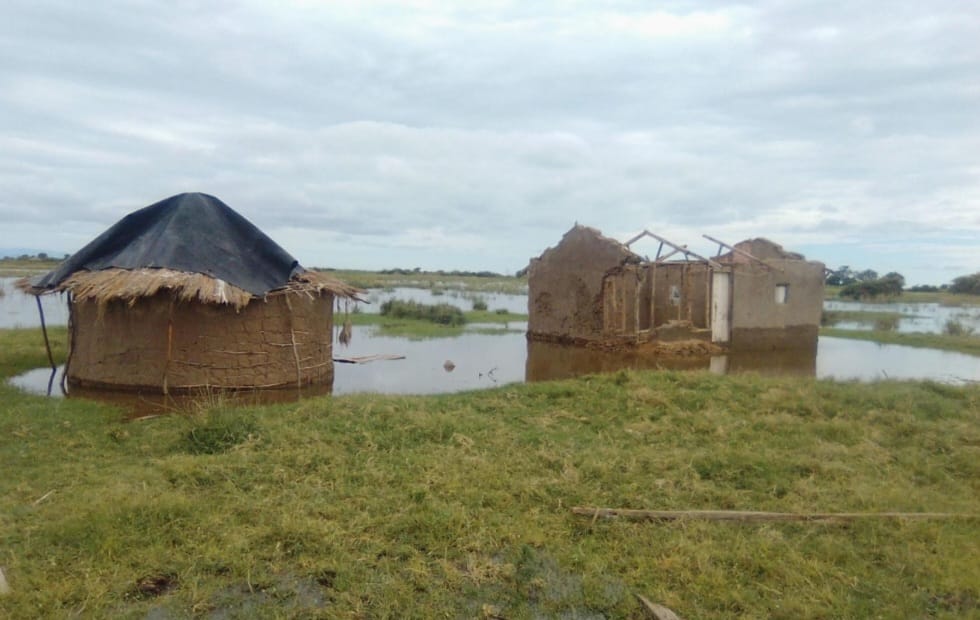
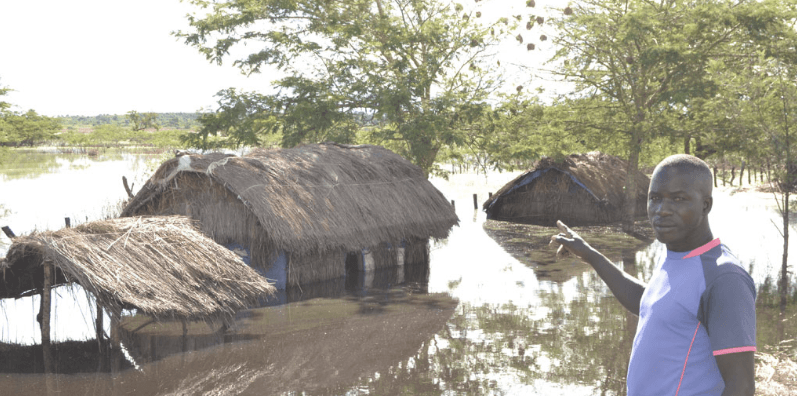
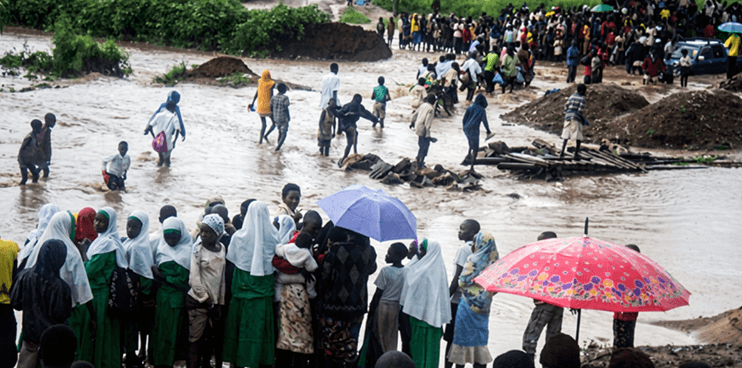
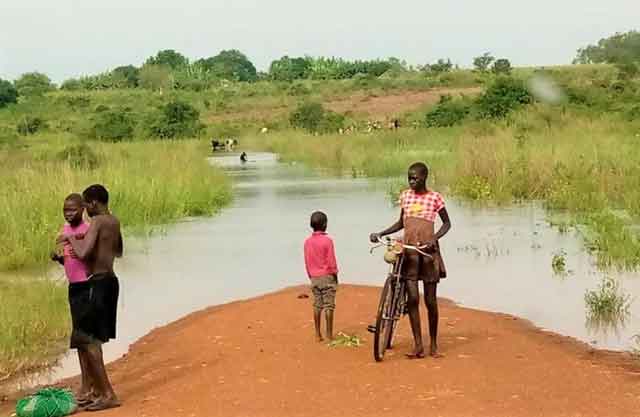
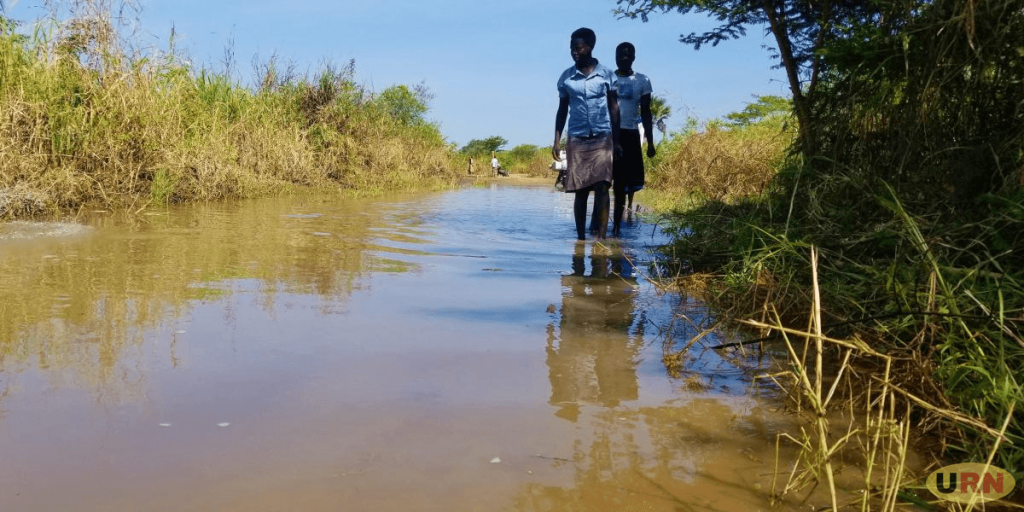
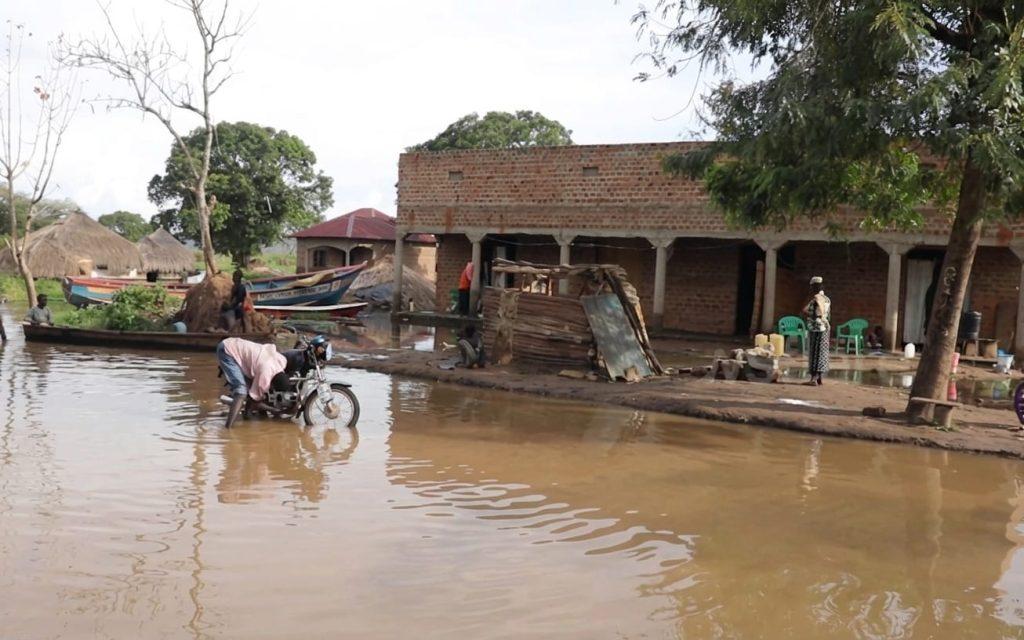
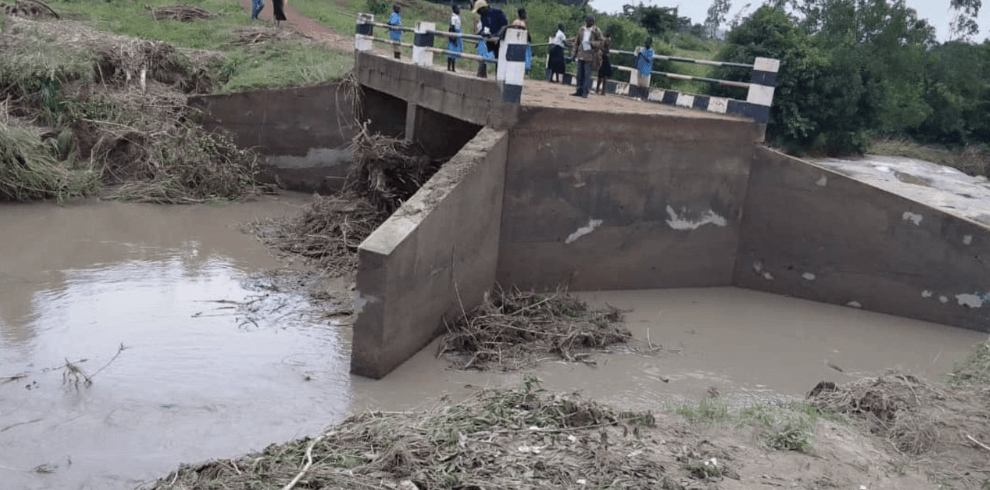
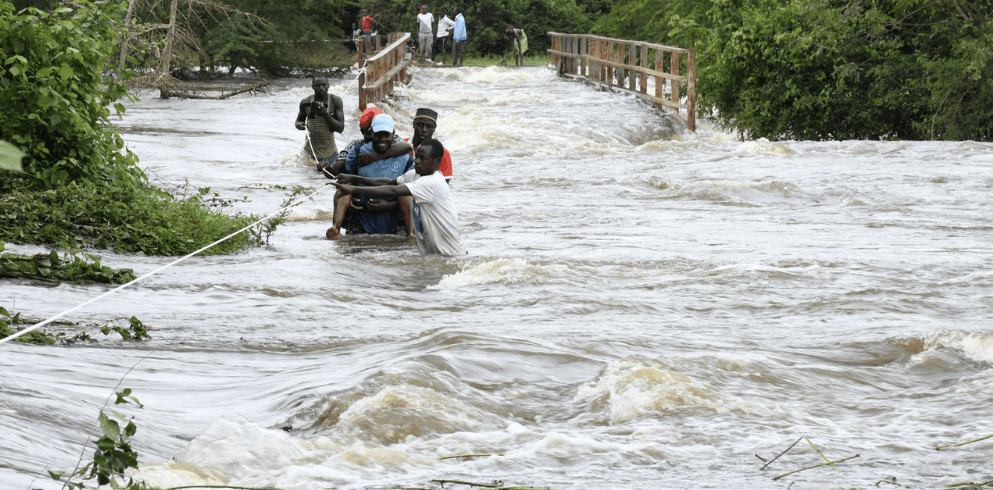
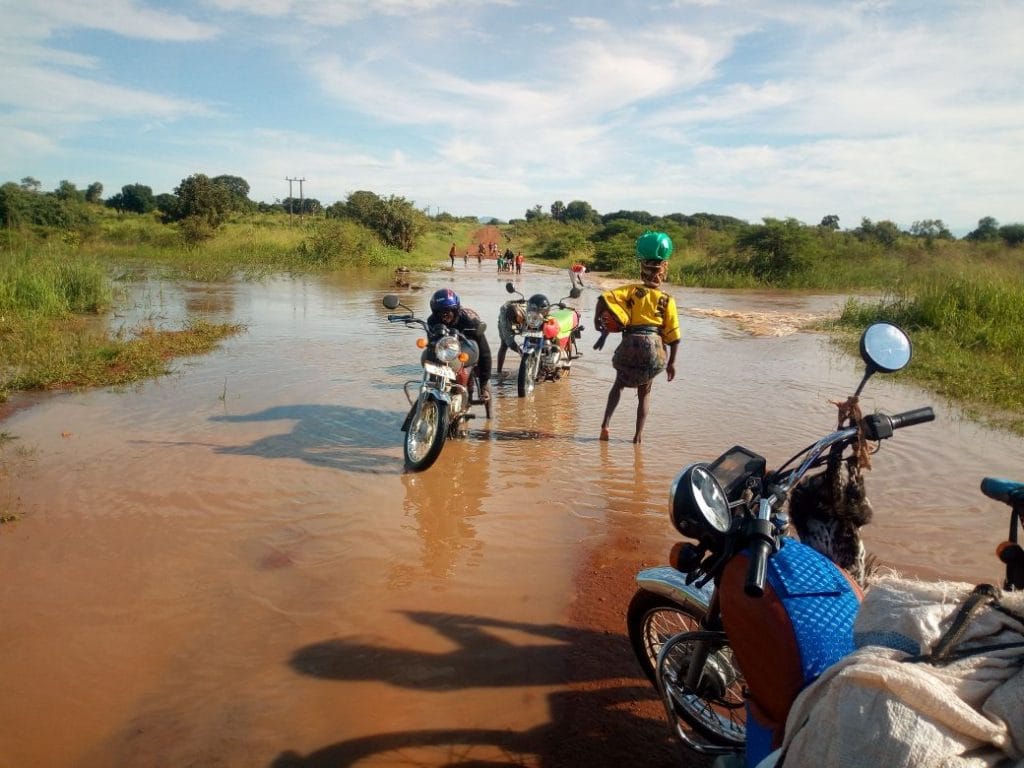
This assessment maps drought, heat, and flood risks in Uganda’s Yumbe District to help guide climate adaptation and disaster planning for local communities and Bidibidi Refugee Settlement residents.

This assessment maps drought, heat, and flood risks in Uganda’s Yumbe District to help guide climate adaptation and disaster planning for local communities and Bidibidi Refugee Settlement residents.

This climate hazard assessment highlights how rising temperatures, unpredictable rainfall, and recurring seasonal droughts and floods threaten livelihoods and food security for refugee and host communities in Uganda’s Adjumani District.

This assessment examines climate hazards in Isingiro District, highlighting increasing heat, seasonal drought and localized flooding and their impacts on refugee and host communities.

This assessment examines climate hazards in Kamwenge District, highlighting increasing drought, heat and localized flood risks and their implications for refugee and host communities.

This report evaluates climate hazards in Uganda’s Kikuube District, where rising temperatures and unpredictable rainfall fuel severe seasonal droughts and localized flooding.

Published in April 2026 by REACH, this report evaluates climate risks in Kiryandongo District, Uganda, where rising temperatures and erratic rainfall threaten over 165,000 refugees and local host communities.

This report evaluates the climate hazard vulnerability of Koboko District, Uganda, a region hosting over 31,000 formal and self-settled refugees near the borders of South Sudan and the Democratic Republic of Congo.

The REACH April 2026 report assesses climate hazards in Uganda’s Lamwo District, analyzing historical trends and future projections for seasonal drought and localized flooding.

This summary presents downscaled climate projections for Madi Okollo District under the SSP2-4.5 moderate emissions scenario, evaluating shift patterns between the historical baseline (1970–2000) and mid-century (2041–2060).

An assessment of seasonal drought risks, flood hazards, and mid-century climate projections for host and refugee communities in Obongi District, Uganda.

This REACH report analyzes climate hazards and future projections in Terego District, Uganda. It highlights rising heat stress, unpredictable rainfall, seasonal drought, and localized flooding affecting rural host communities and refugee settlements.

This assessment examines climate hazards in Kyegegwa District, focusing on drought, flooding, rainfall variability and rising temperatures, and their impacts on refugee and host communities. It provides evidence to support targeted climate adaptation and resilience planning.

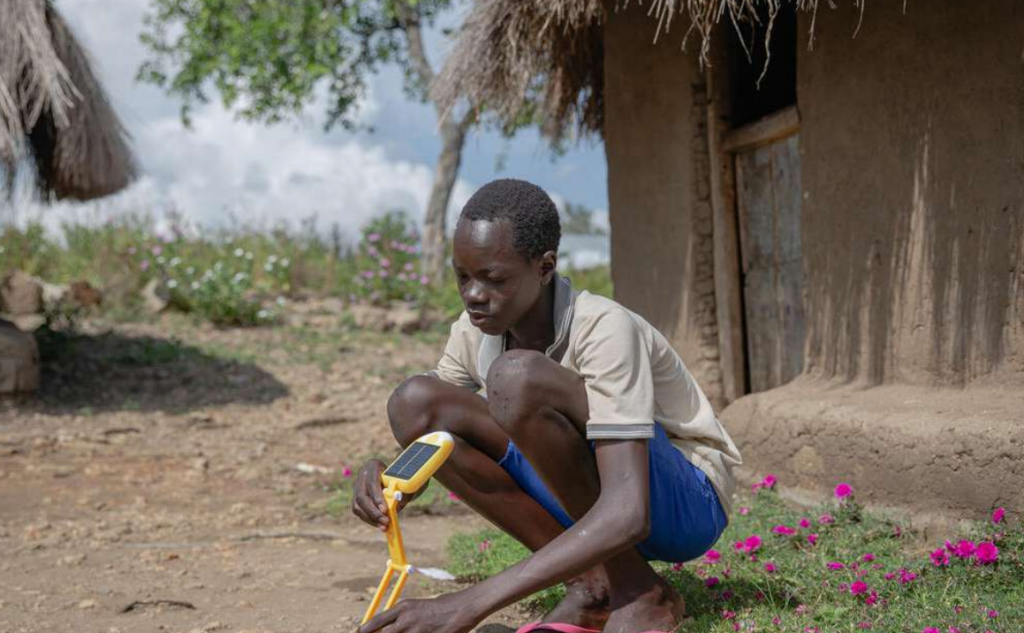
Energy access and climate resilience are critical pillars of the Uganda refugee response. This video explores practical innovations, technical approaches, and future projections shaping sustainable energy and climate action in this context.

This brief shows how climate-related hazards are increasing the burden of unpaid household labour, particularly for women and girls. It shows how water scarcity, flooding, and extreme heat intensify workloads, heighten protection risks, and reduce time for education and income-generating activities.

This brief shows how climate-related hazards are increasing the burden of unpaid household labour, particularly for women and girls. It shows how water scarcity, flooding, and extreme heat intensify workloads, heighten protection risks, and reduce time for education and income-generating activities.

This brief highlights how extreme heat, drought, and flooding are affecting agricultural livelihoods in Nyumanzi Refugee Settlement. It documents reduced crop yields, livestock losses, and food insecurity, alongside community coping strategies and key gaps in climate-resilient support.

This Climate terminology bank provides key definitions and facts related to climate and resilience for Uganda’s refugee response. Its goal is to build a common understanding among stakeholders and support the integration of climate-smart practices in humanitarian efforts.

This in-depth assessment, drawing primarily on data collected in 2024, examines climate change response strategies in the refugee and host communities of Nyumanzi settlement (Adjumani

This desk review explores the application of climate-smart agriculture (CSA) in Uganda’s refugee response, highlighting the initiatives, policies, and strategies that promote resilient and sustainable

This climate actor mapping provides a comprehensive overview of sector actors involved in the climate response within Uganda’s refugee context, focusing on their role in supporting environmental sustainability and resilience through various initiatives.

This climate actor mapping provides a comprehensive overview of sector actors involved in the climate response within Uganda’s refugee context, focusing on their role in supporting environmental sustainability and resilience through various initiatives.

This report explores barriers and enablers to sustainable energy consumption among refugee and host communities, supporting humanitarian and development actors in addressing environmental degradation and climate change adaptation.

In this desk review on Energy for Household Use in Uganda’s refugee response, we delve into the critical aspects shaping the energy landscape within this context.

This curated collection delves into the intersection of energy utilization and humanitarian efforts within the context of Uganda’s refugee response. As the global community grapples with unprecedented displacement challenges, understanding how energy can be harnessed productively is crucial for enhancing the resilience and self-sufficiency of refugee populations.

This desk review provides an overview and accessible summary of existing resources on the Productive Use of Energy (PUE) in Uganda Refugee Response. It lays out the background on of PUE and its applications, as well as the national frameworks that guide PUE’s adoption in Uganda.