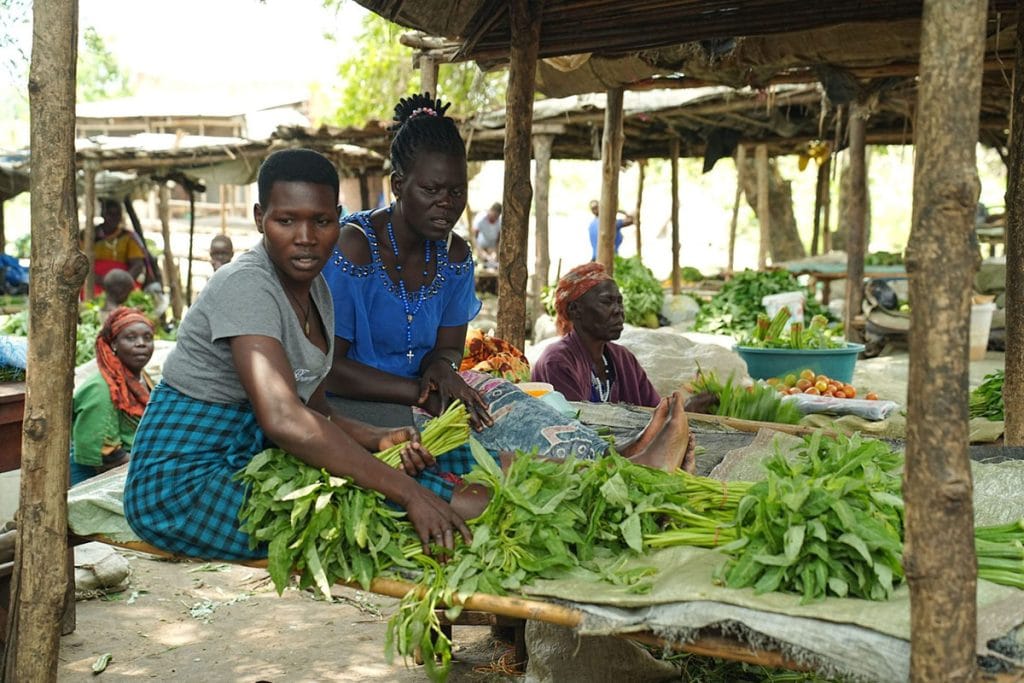
Private Sector Engagement in the Agriculture Sector in the Uganda Refugee Response
This output examines key lessons, partnership models, and practical strategies for improving private sector engagement in Uganda’s refugee response.

This output examines key lessons, partnership models, and practical strategies for improving private sector engagement in Uganda’s refugee response.
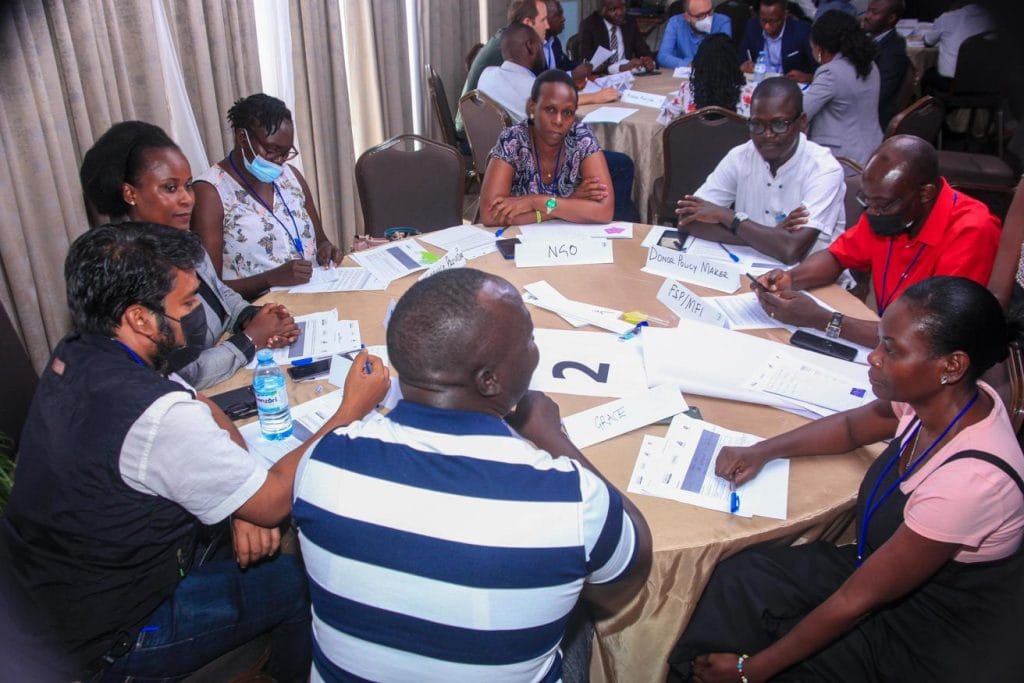
The 2025 CRRF Annual Report provides an overview of Uganda’s refugee response, highlighting national coordination, key frameworks, and efforts to strengthen a more integrated, government-led approach. Led by the Office of the Prime Minister, the report highlights collaboration between government, partners, and local actors to support refugees and host communities.
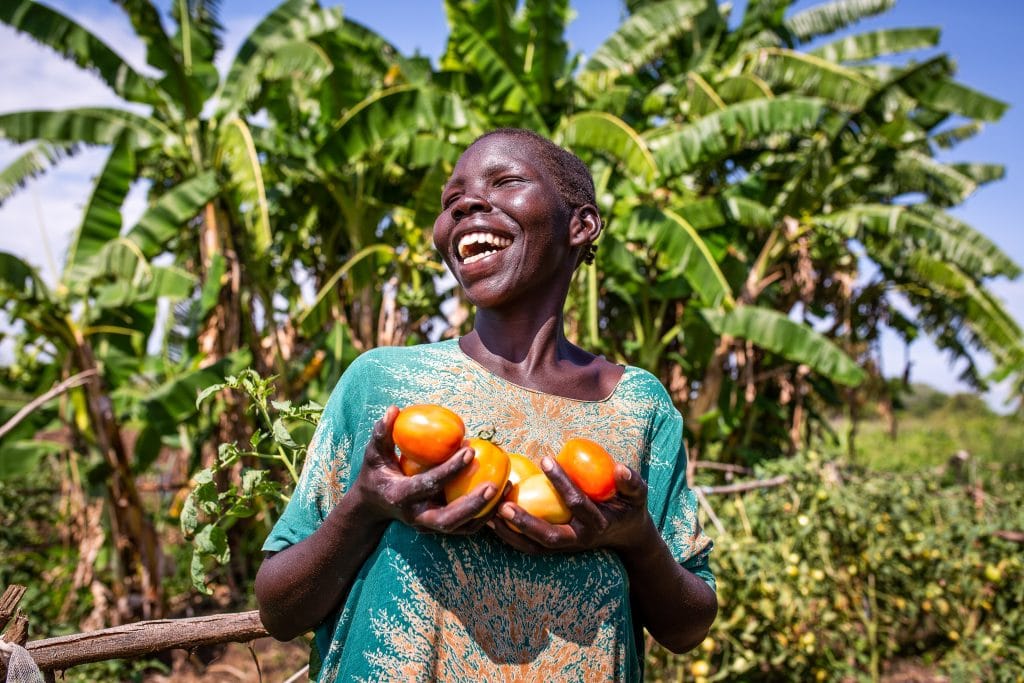
The Uganda Self-reliance Index (UG-SRI) baseline report summary shows a summary of the key findings findings from the baseline study whose objective was to enhance the understanding, coordination, measurement, and tracking of self-reliance among refugees and host communities in Uganda.
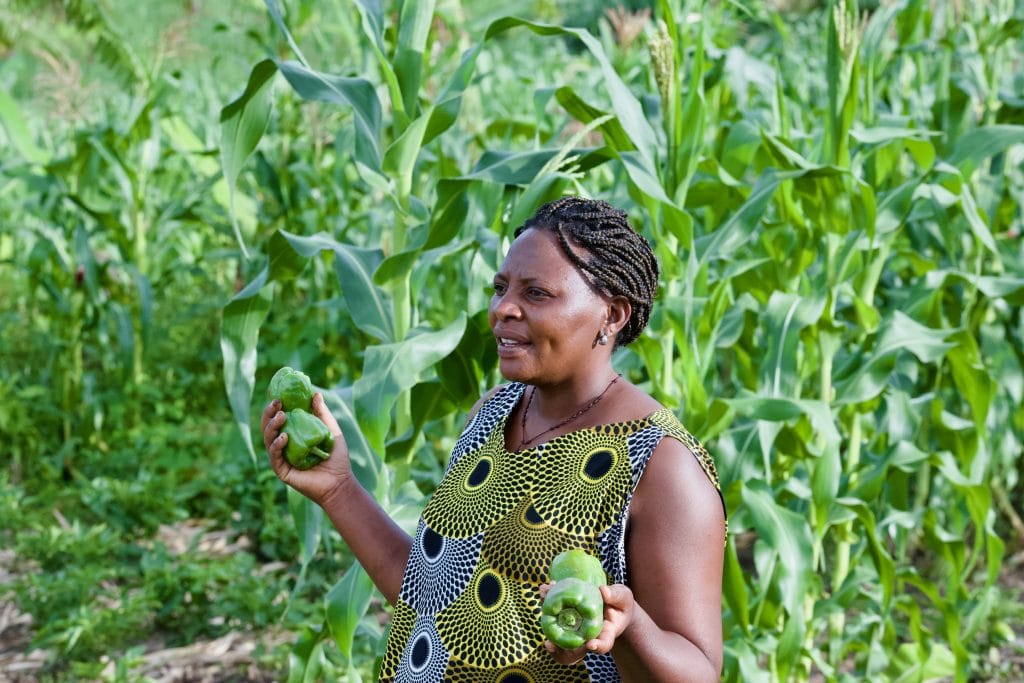
The URRI baseline assessment, funded by DANIDA, established reference data across nine refugee-hosting districts in Uganda on climate-smart agriculture, natural resource management, and gender inclusion. The findings provide a foundation for tracking URRI’s impact and informing evidence-based programming to strengthen resilience among refugees and host communities.
This summary presents key insights from the URRI baseline assessment carried out in nine refugee-hosting districts of Uganda. The study established reference data on climate-smart agriculture, natural resource management, and gender inclusion to guide programme implementation. Funded by DANIDA, the baseline provides a foundation for tracking progress and measuring the impact of the URRI programme.
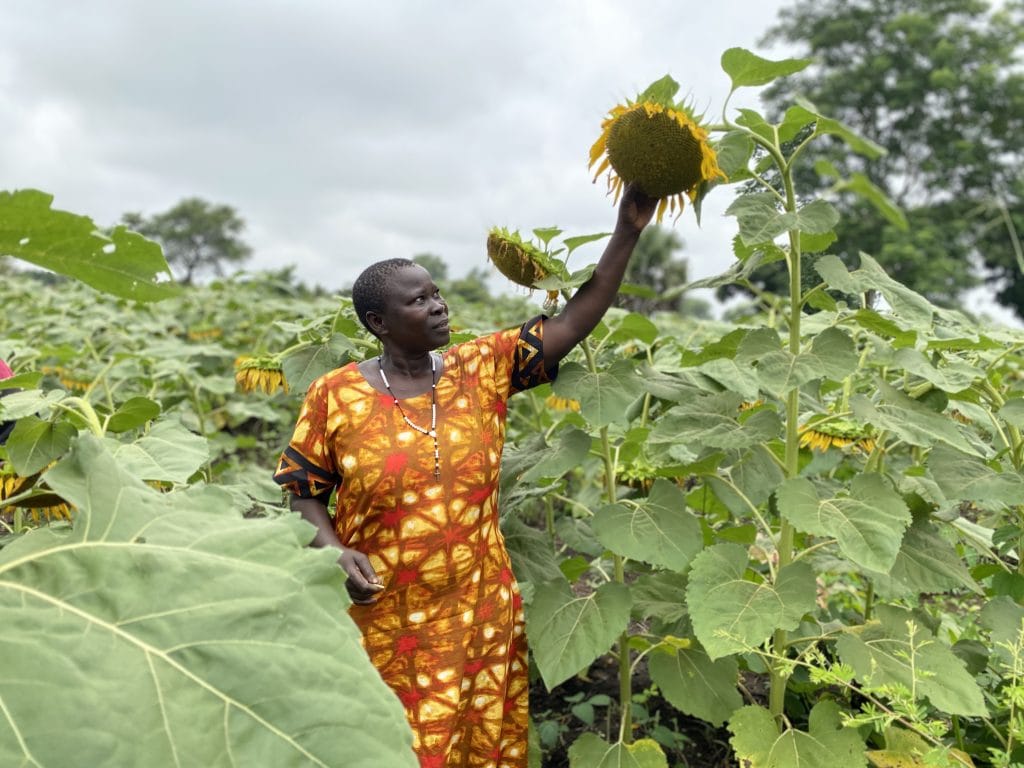
This snapshot highlights key findings from a Gender and Power Analysis conducted across nine refugee-hosting districts in Uganda. The study explores existing gender inequalities, community power dynamics, and opportunities to promote inclusion under the Uganda Refugee Resilience Initiative (URRI). Funded by DANIDA, the analysis informs programme strategies to strengthen gender equality and empowerment.
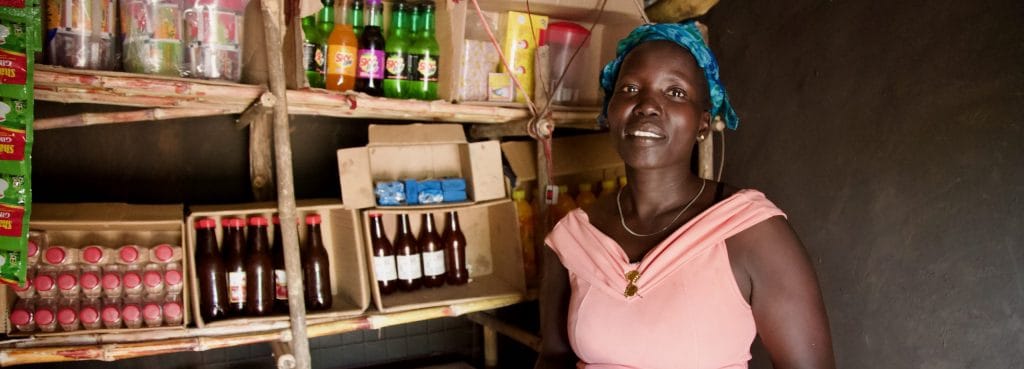
The Market Systems Development (MSD) in the Uganda Refugee Response compendium highlights programs that use the MSD approach to enhance self-reliance among refugees and host
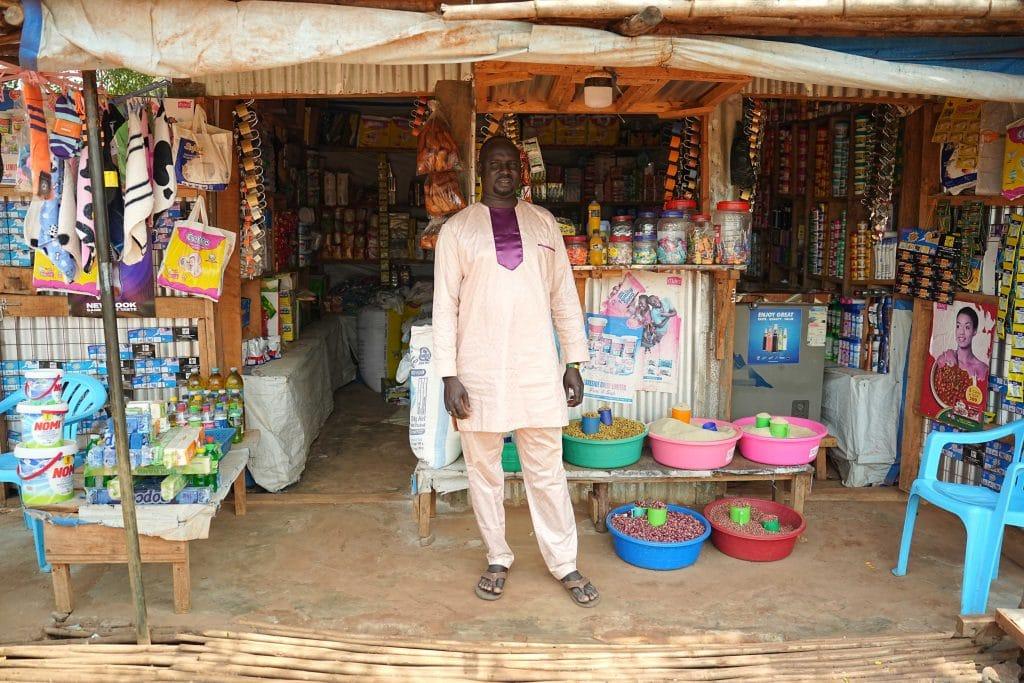
November 21, 2024 The CRRF strategic framework has been operationalised through the development of sectoral response plans in the years following its adoption. In 2020,
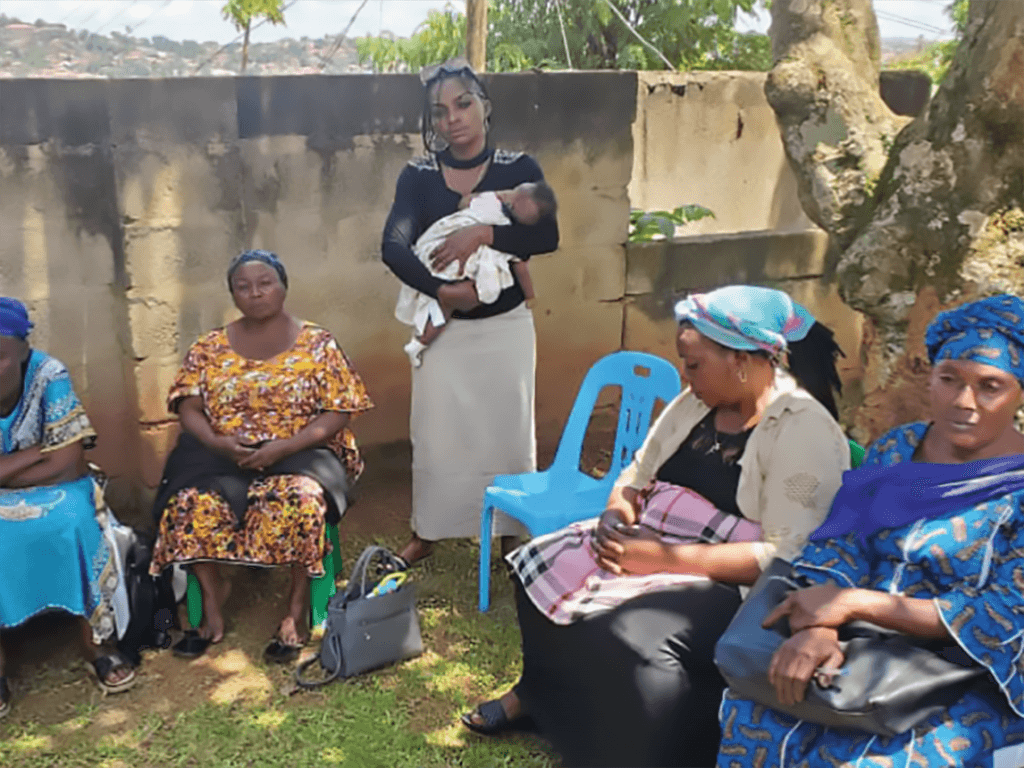
October 7, 2024 The Urban Livelihoods Assessment Report 2024 assesses the livelihoods of urban refugees and host communities in Makindye division, Kampala, Uganda, as part
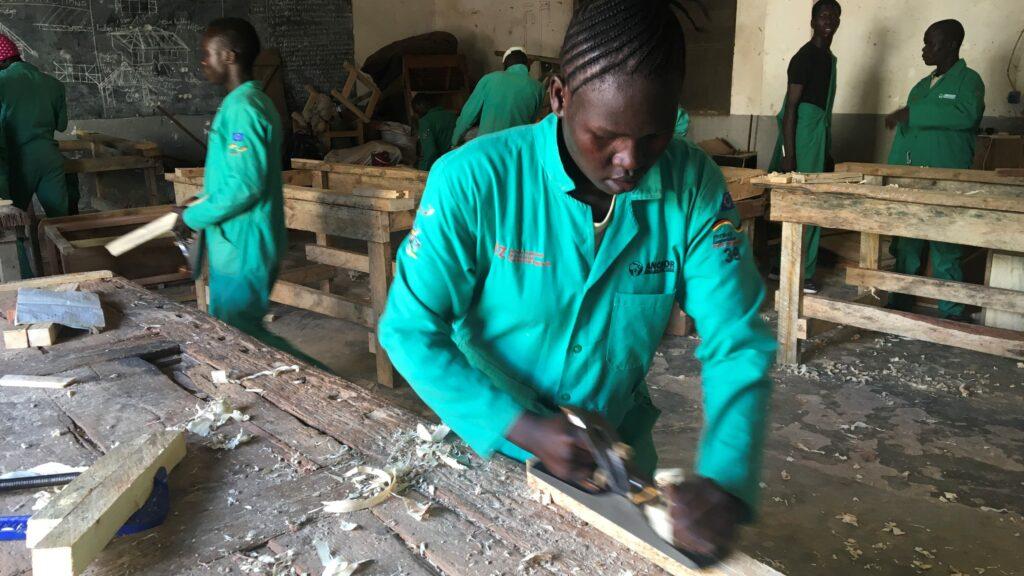
This case study provides a deeper understanding of how the employment of Mobile Technical Vocational Education and Training (TVET) programming in refugee response addresses some of the barriers faced by last-mile populations in accessing traditional TVET opportunities.
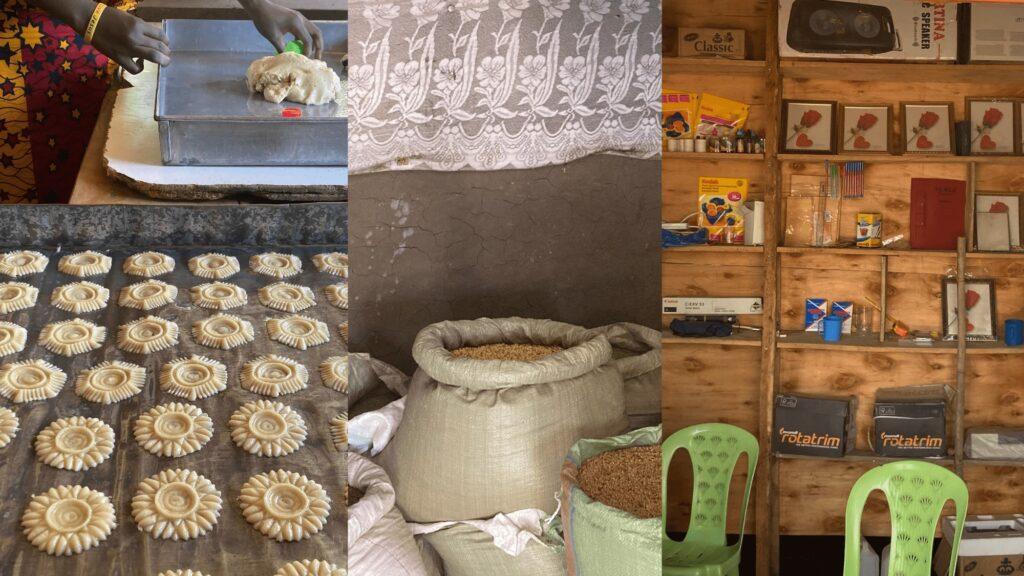
This brief explores the challenges faced by formal refugee-owned businesses in Palabek and Nakivale refugee settlements, including limited access to information on official business registration, high costs of registration, and a lack of standardization in the registration process.
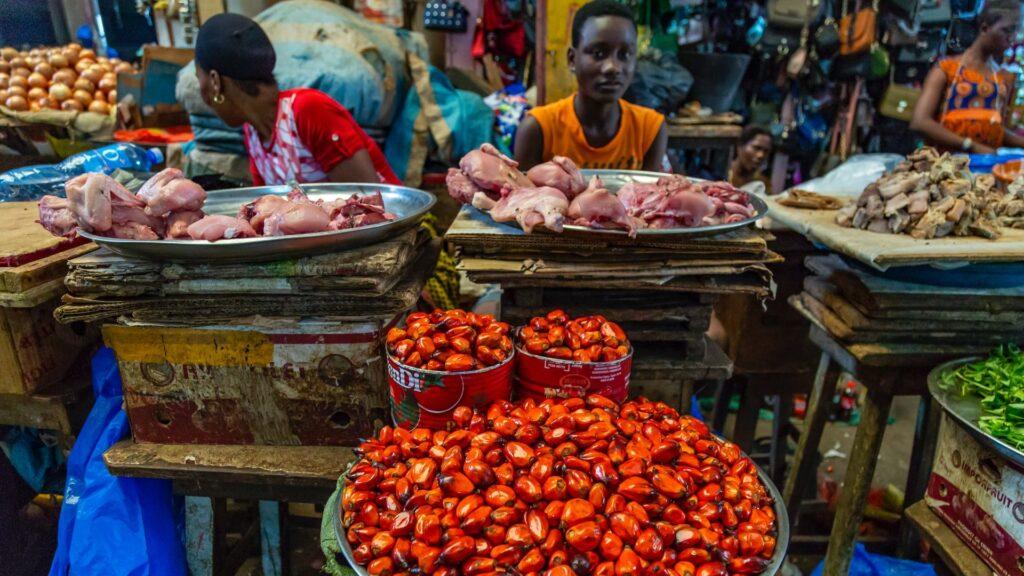
This Agricultural Value Chains strategic positioning paper provides a roadmap to support Livelihoods and Resilience Sector Working Group (LRSWG) members’ efforts to increase farmers’ income, improve their self-sufficiency.
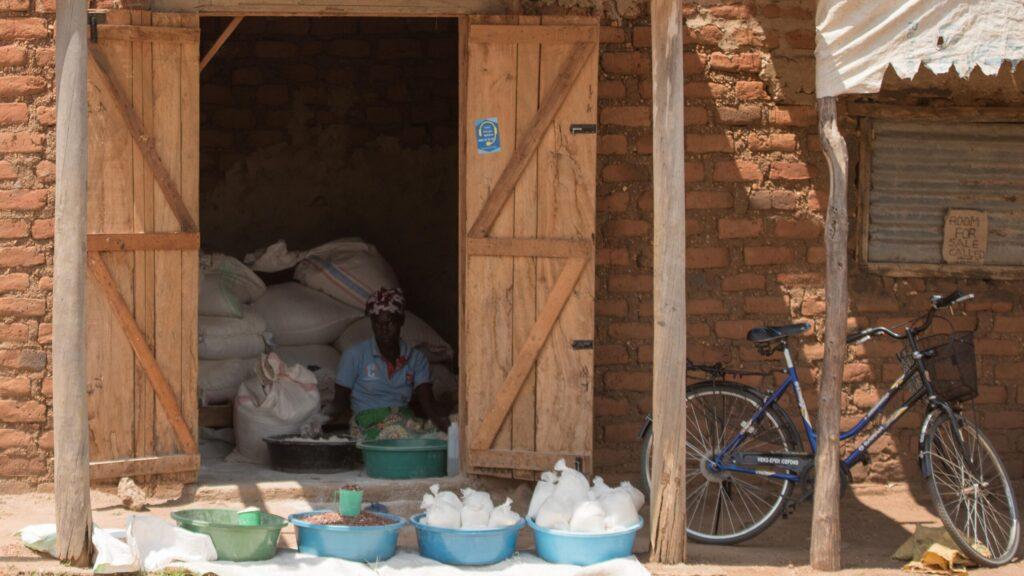
An assessment of livelihood barriers and enablers for refugees and host communities in urban and settlement locations
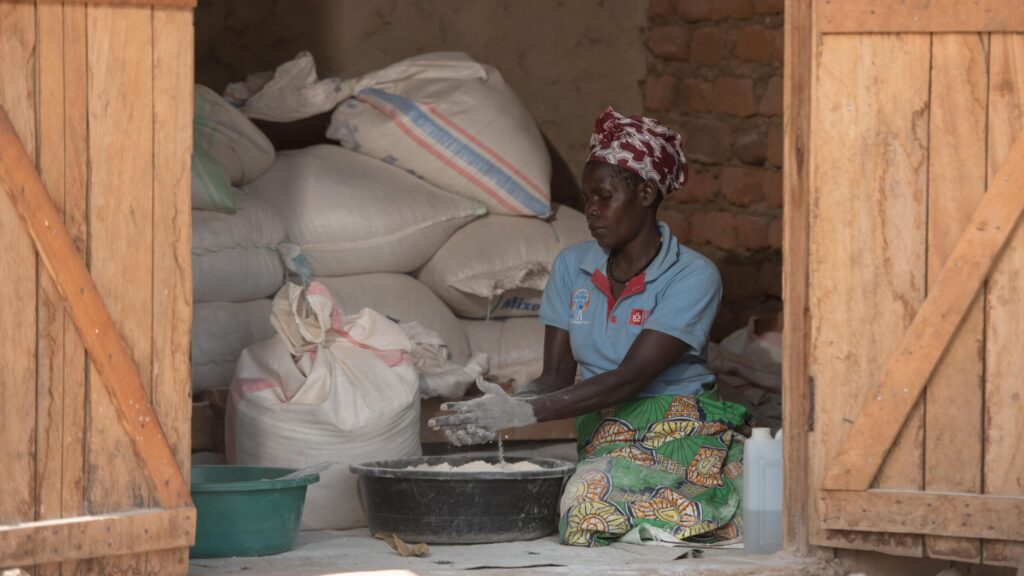
An assessment of livelihood barriers and enablers for refugees and host communities in urban and settlement locations.
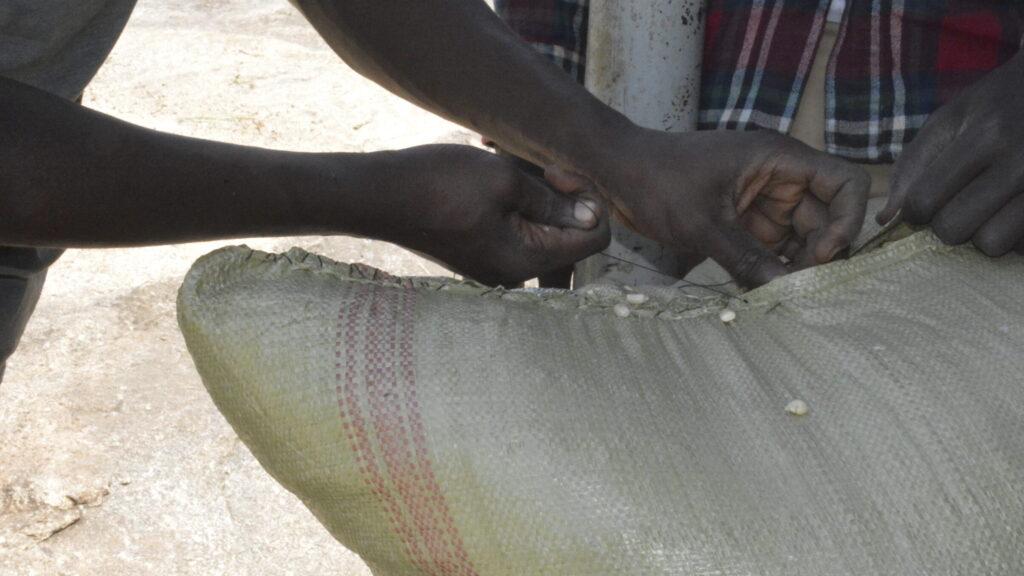
In partnership with UNCDF and the LRSWG, U-Learn conducted an Agriculture Private Sector Engagement (APSE) learning review of ongoing Private Sector Engagement (PSE) in the agriculture sector in the Ugandan refugee response.

This desk review highlights key information from 25 documents about labour markets in the 13 refugee-hosting districts of Uganda.

This desk review distills key information from 29 value chain (VC) analyses in the 13 refugee-hosting districts of Uganda, divided into the Northern and Western regions.
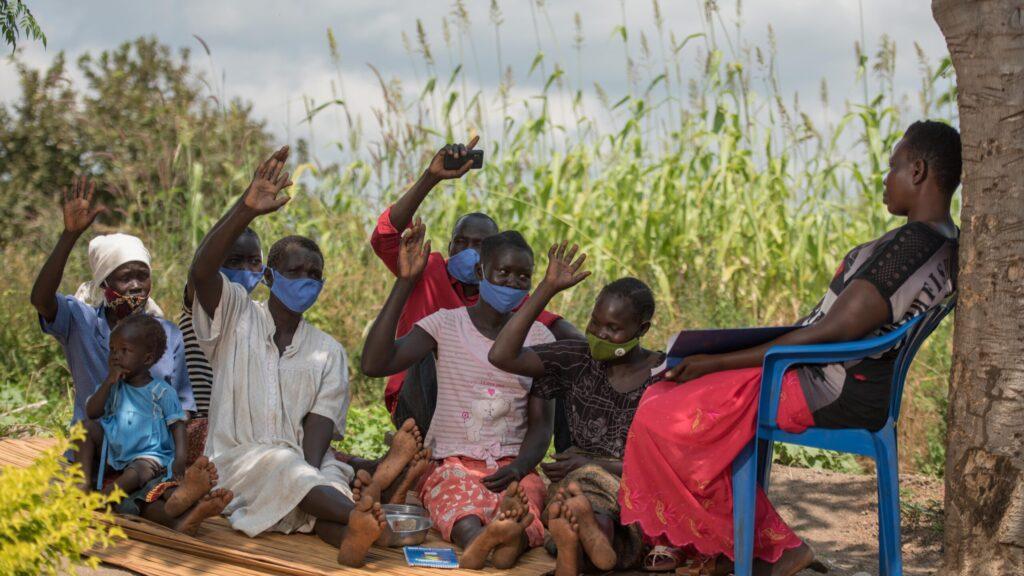
This criteria checklist is a support tool developed by the Livelihoods and Resilience Sector Working Group, with support from U-Learn. It’s specifically designed to support actors with the Uganda refugee response.

This technical brief informs CVA donors, policy makers, implementers including humanitarian actors and Financial Service Providers (FSPs), and the Inter-Agency Cash Working Group (CWG) about
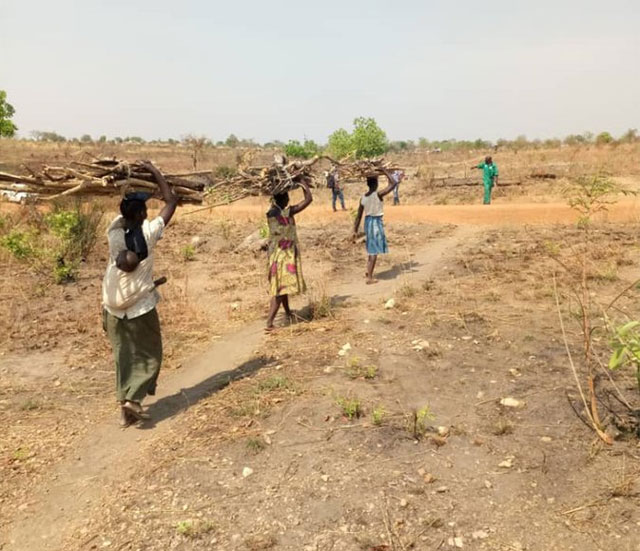
Uganda’s host and refugee households are having the same recovery proportions as the East African nation emerges from the coronavirus pandemic, preliminary findings from a recent study show.
However, refugees in Koboko District recovered more than the host though still with lower Resilience Capacity Index (RCI). RCI measures household capacity to avoid stresses and shocks from having long lasting harmful effects.
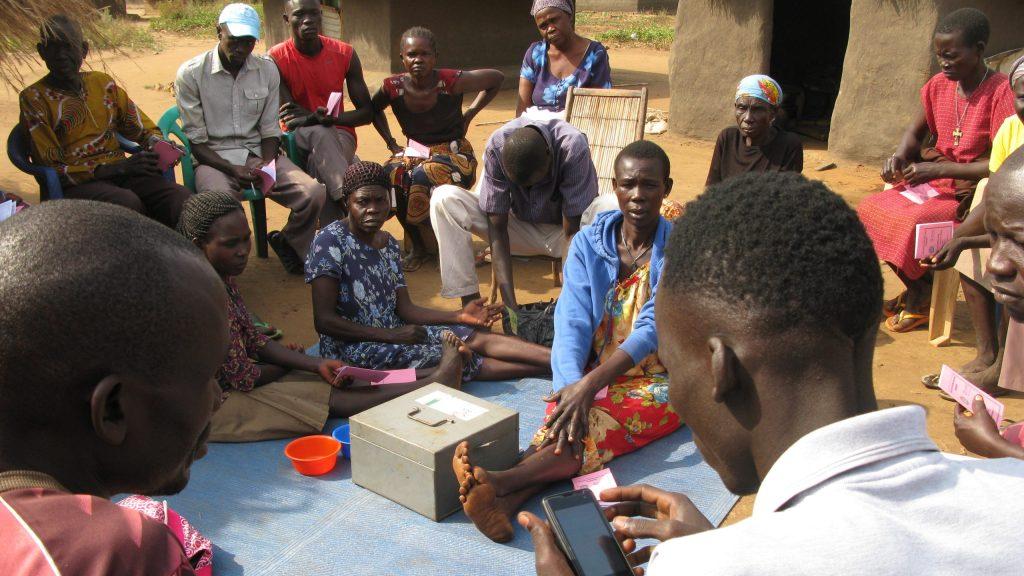
The Digital Savings Group Learning brief offers critical reflections on whether a savings group in the Uganda refugee response is ready to go digital, on the objectives for pursuing digitisation/digitalisation, and on key challenges in making the shift.
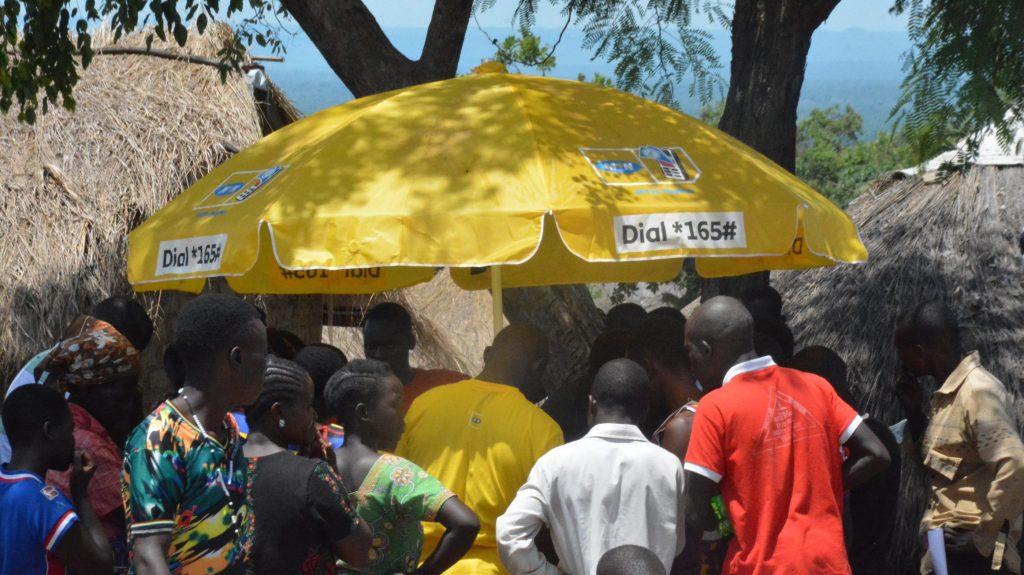
Patterns and Potential of Private Sector Engagement in Strengthening Refugee Livelihoods and Resilience Desk review for the Uganda refugee response As the need to integrate

UNCDF, the Uganda Inter-Agency Cash Working Group (CWG), and the Livelihoods and Resilience Sector Working Group (LRSWG) with support from U-Learn, organized a hybrid (online and in-person) workshop on Thursday 28th April 2022.
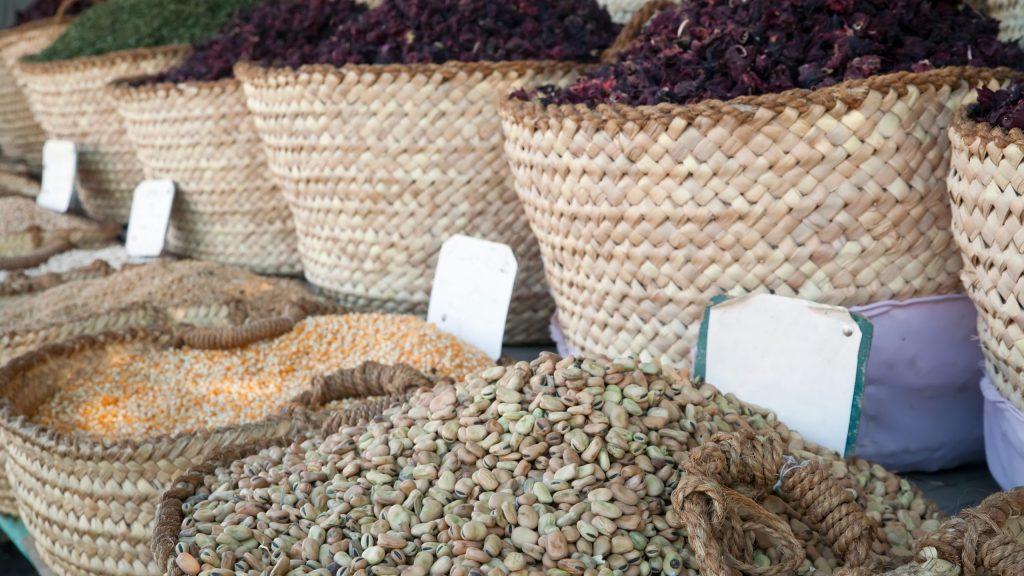
The 10th Market Monitor covers the month of October 2020. This product is produced jointly by WFP and U-Learn, with support from REACH and on behalf of the Market Analysis Task Force.
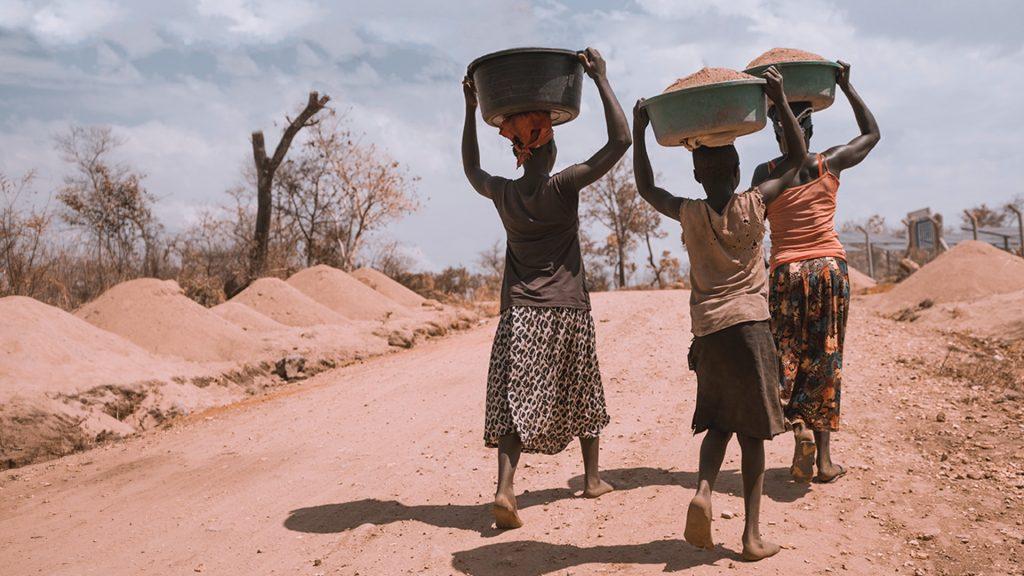
September 25, 2020 Refugee Settlement Price and Market Functionality Snapshot, 1-30 September 2020 You can use the pdf viewer on the right to view the
Refugee Settlement Price and Market Functionality Snapshot, 1-31 August 2020 You can use the pdf viewer on the left view the pdf on your screen
Refugee Settlement Price and Market Functionality Snapshot, 15-31 July 2020. You can use the pdf viewer on the left view the pdf on your screen

Refugee Settlement Price and Market Functionality Snapshot, 1-14 July 2020 You can use the pdf viewer on the left view the pdf on your screen

Refugee Settlement Price and Market Functionality Snapshot, 15-30 June 2020 You can use the pdf viewer on the left view the pdf on your screen
Refugee Settlement Price and Market Functionality Snapshot, 1-14 June 2020 You can use the pdf viewer on the left view the pdf on your screen

Refugee Settlement Price and Market Functionality Snapshot, 15-31 May 2020 You can use the pdf viewer on the left view the pdf on your screen

Refugee Settlement Price and Market Functionality Snapshot, 1-15 May 2020 You can use the pdf viewer on the left view the pdf on your screen