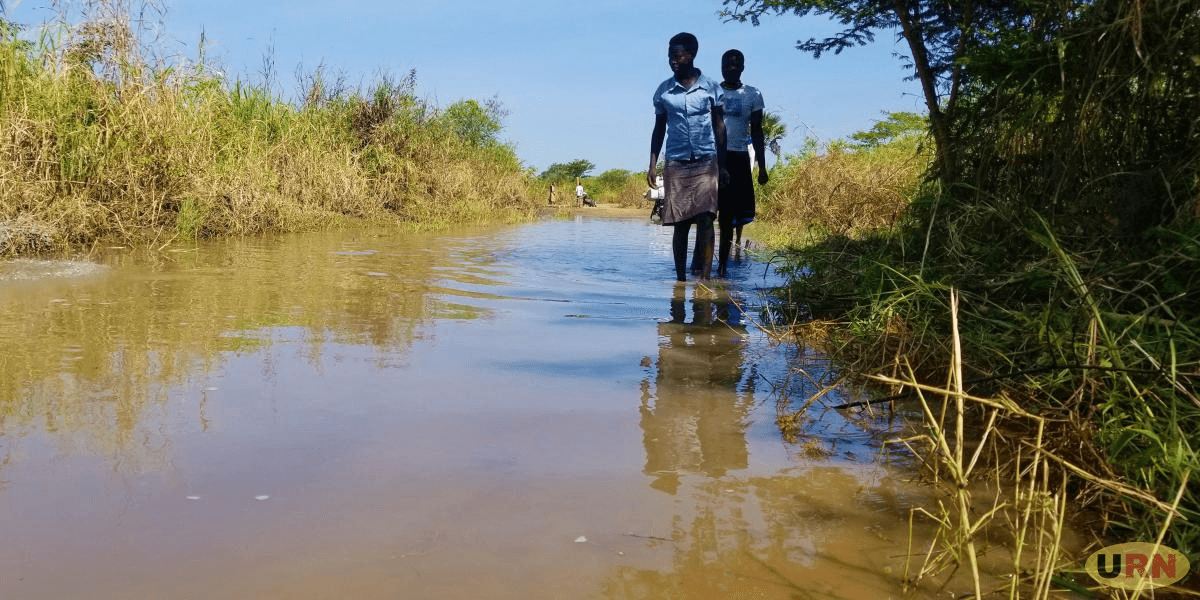
This summary presents downscaled climate projections for Madi Okollo District under the SSP2-4.5 moderate emissions scenario, evaluating shift patterns between the historical baseline (1970–2000) and mid-century (2041–2060).



This summary presents downscaled climate projections for Madi Okollo District under the SSP2-4.5 moderate emissions scenario, evaluating shift patterns between the historical baseline (1970–2000) and mid-century (2041–2060).
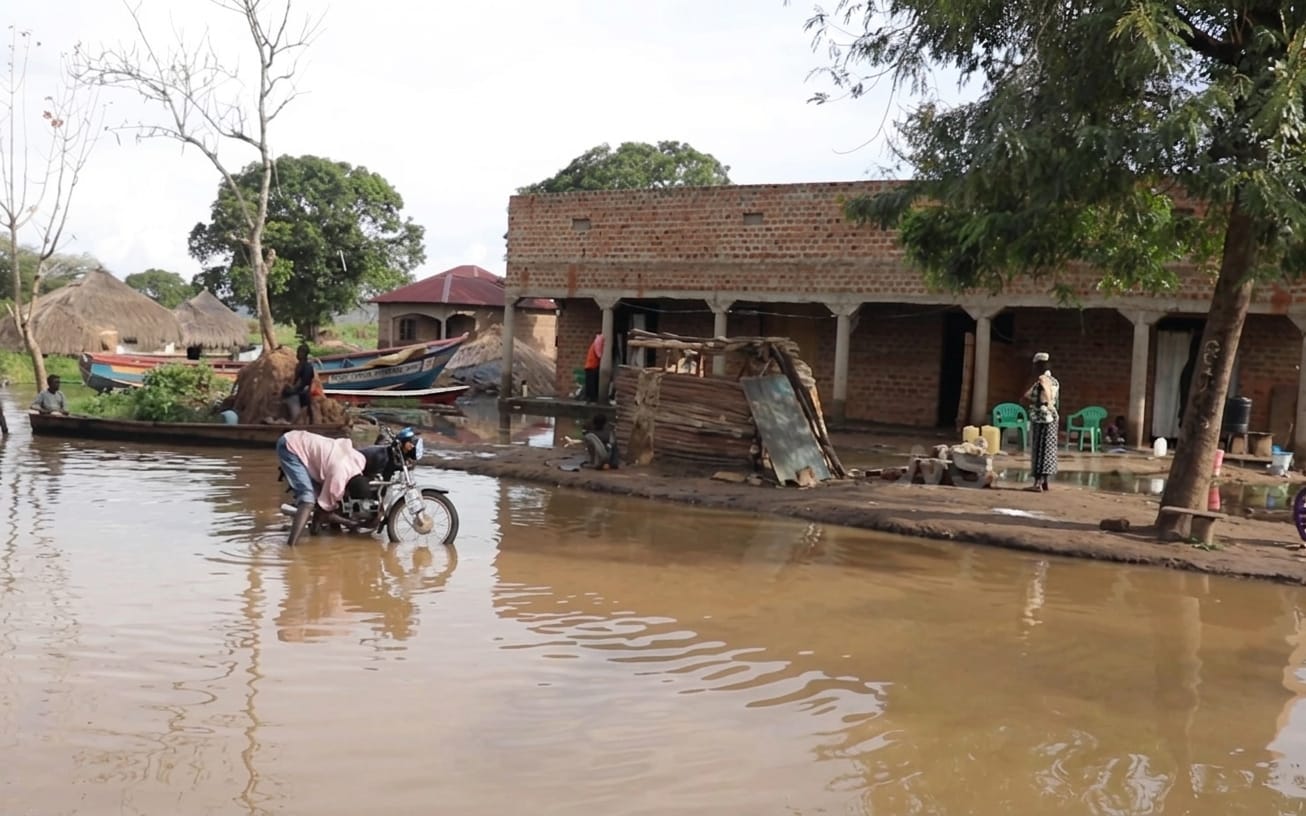
An assessment of seasonal drought risks, flood hazards, and mid-century climate projections for host and refugee communities in Obongi District, Uganda.
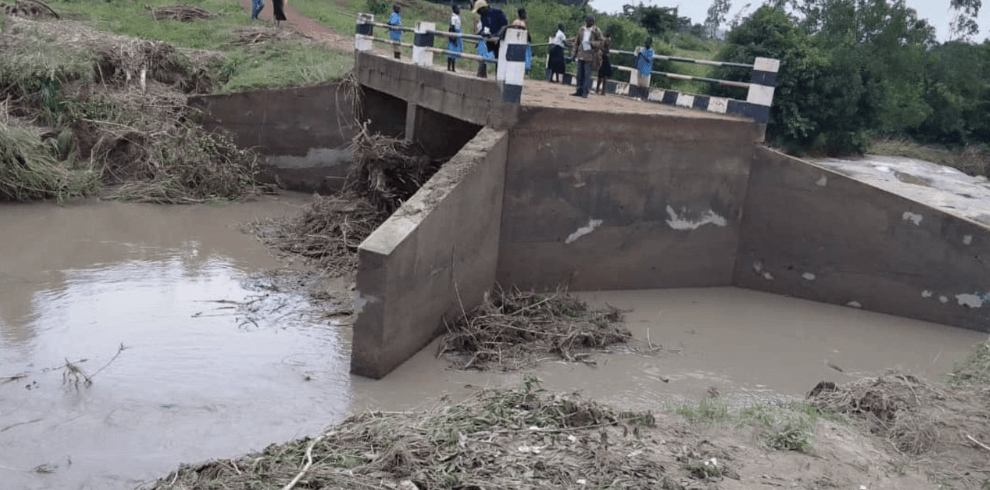
This REACH report analyzes climate hazards and future projections in Terego District, Uganda. It highlights rising heat stress, unpredictable rainfall, seasonal drought, and localized flooding affecting rural host communities and refugee settlements.
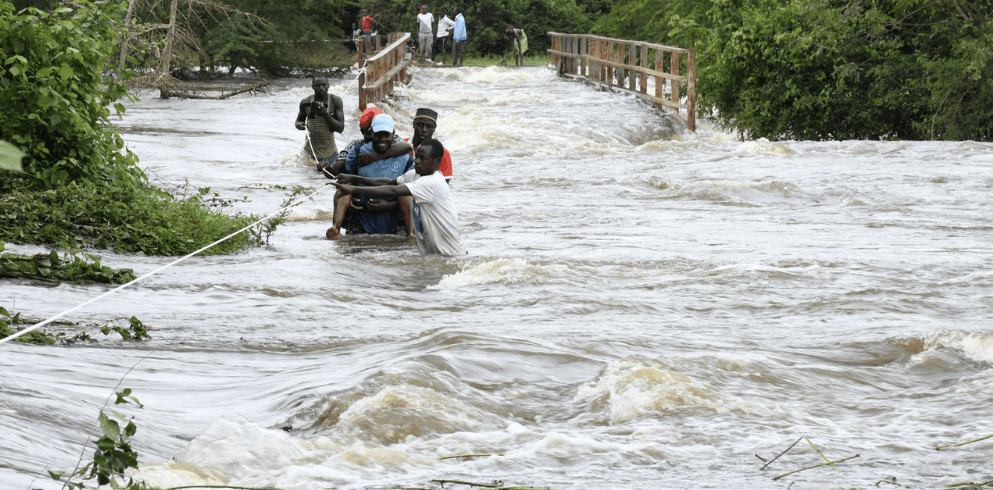
This assessment examines climate hazards in Kyegegwa District, focusing on drought, flooding, rainfall variability and rising temperatures, and their impacts on refugee and host communities. It provides evidence to support targeted climate adaptation and resilience planning.
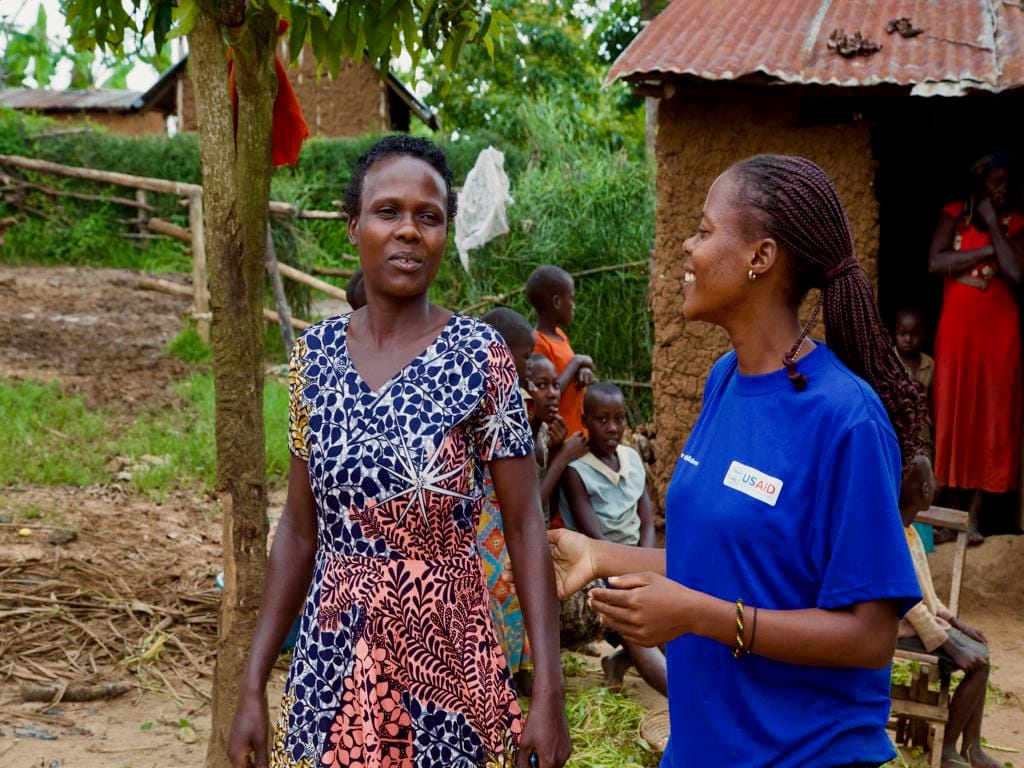
The partnership between Swisscontact and Home Harvest Limited, funded by USAID’s Uthabiti Activity, sought to improve the horticulture sector in Isingiro District by enhancing access to quality inputs, knowledge, and market opportunities for refugees and hostcommun ities.
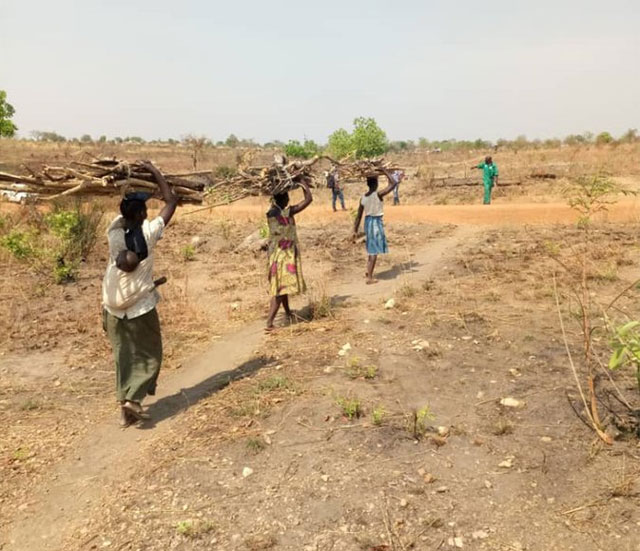
Uganda’s host and refugee households are having the same recovery proportions as the East African nation emerges from the coronavirus pandemic, preliminary findings from a recent study show. However, refugees in Koboko District recovered more than the host though still with lower Resilience Capac
This week, governments and representatives of the international community will meet virtually to take stock of progress made and maintain the momentum towards achieving the Global Compact on Refugees. The Compact is a cooperation framework agreed in 2018 to support refugees and host communities acro
Lorem ipsum dolor sit amet, consectetur adipiscing elit. Ut elit tellus, luctus nec ullamcorper mattis, pulvinar dapibus leo.