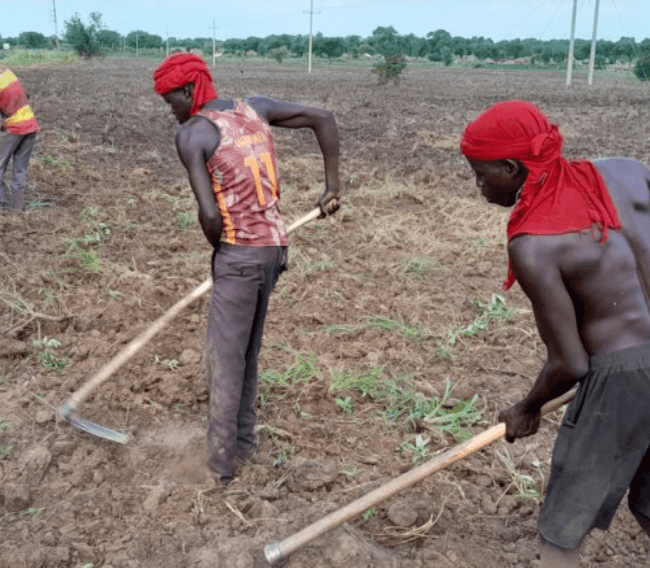
This report presents a climate hazard assessment for Adjumani District, Uganda, a major refugee-hosting region vulnerable to climate variability due to its reliance on rain-fed agriculture. Climate projections indicate rising temperatures and increasingly erratic rainfall. Despite slight increases in overall precipitation, intensifying heat stress is expected to accelerate evapotranspiration and soil moisture loss, heightening seasonal drought risks.
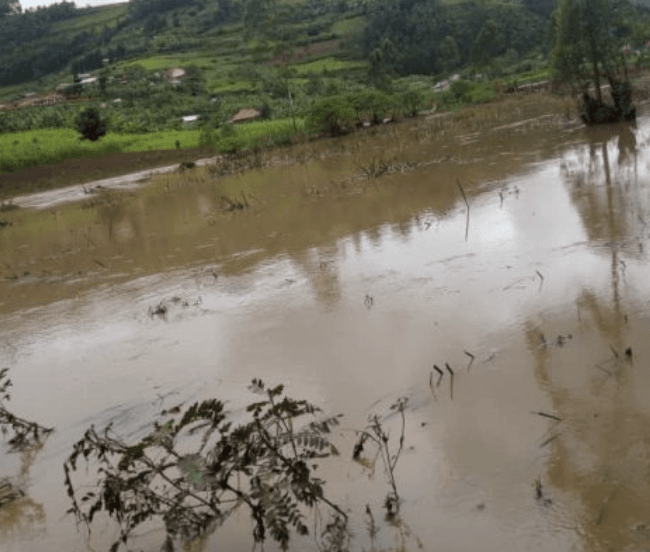
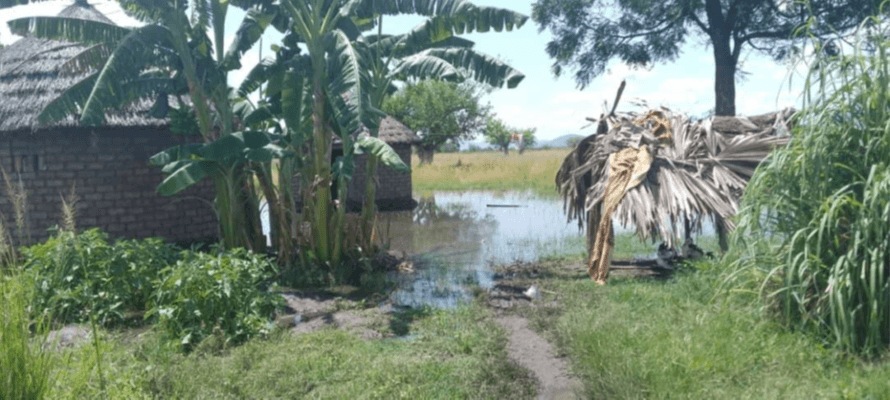
Seasonal droughts and localized flooding remain the primary climate hazards affecting host and refugee populations. Satellite analysis reveals widespread vegetation stress alongside recurrent flooding in low-lying areas, which damages crops, infrastructure, and shelters. The findings highlight the critical need for climate-resilient interventions, water management, and disaster risk frameworks to protect livelihoods and build long-term community resilience.