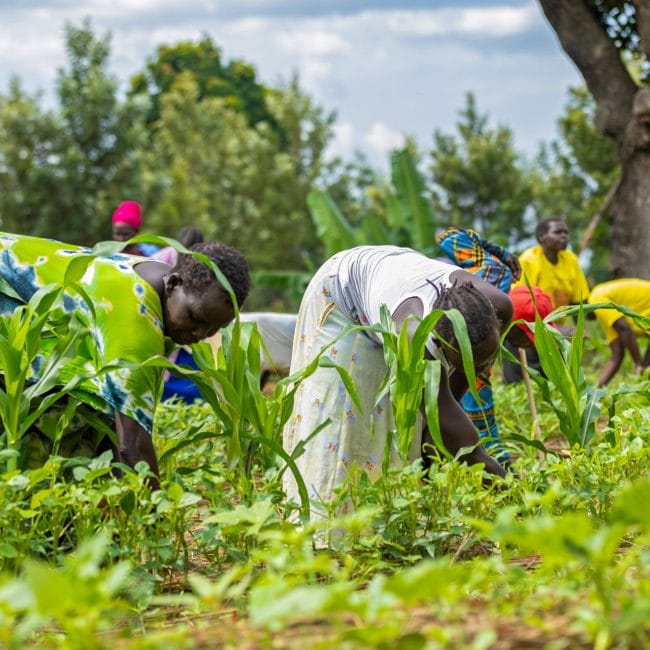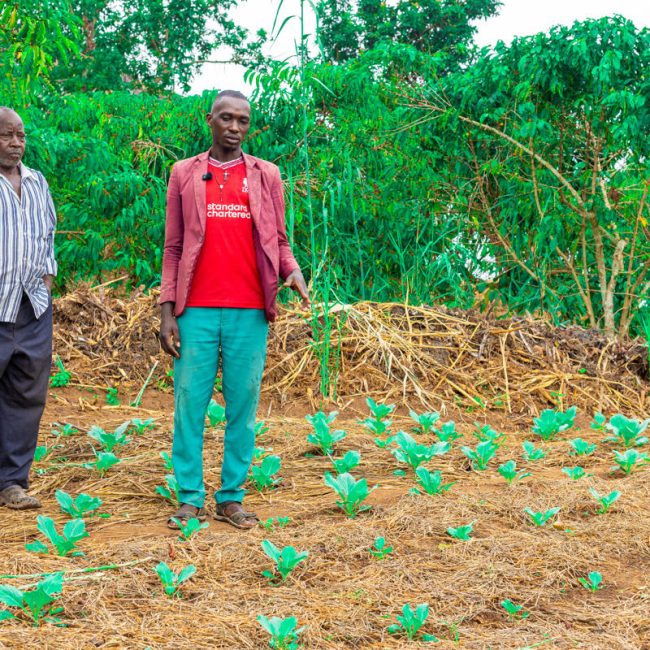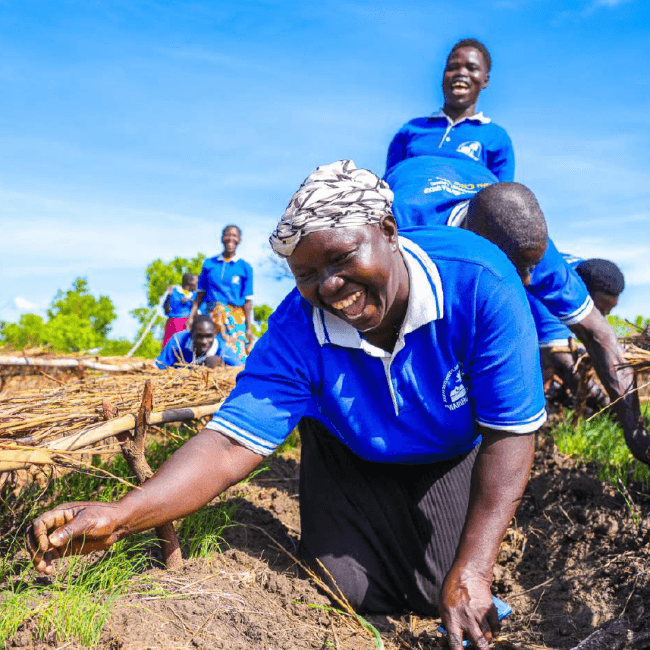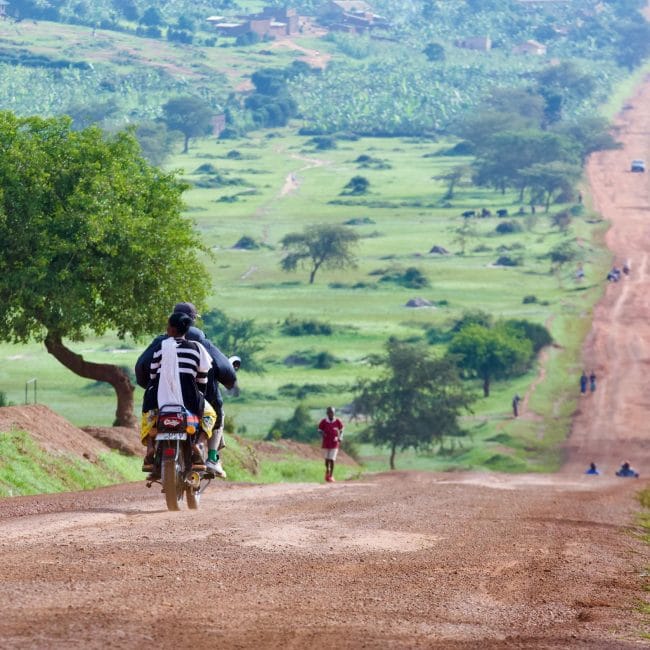
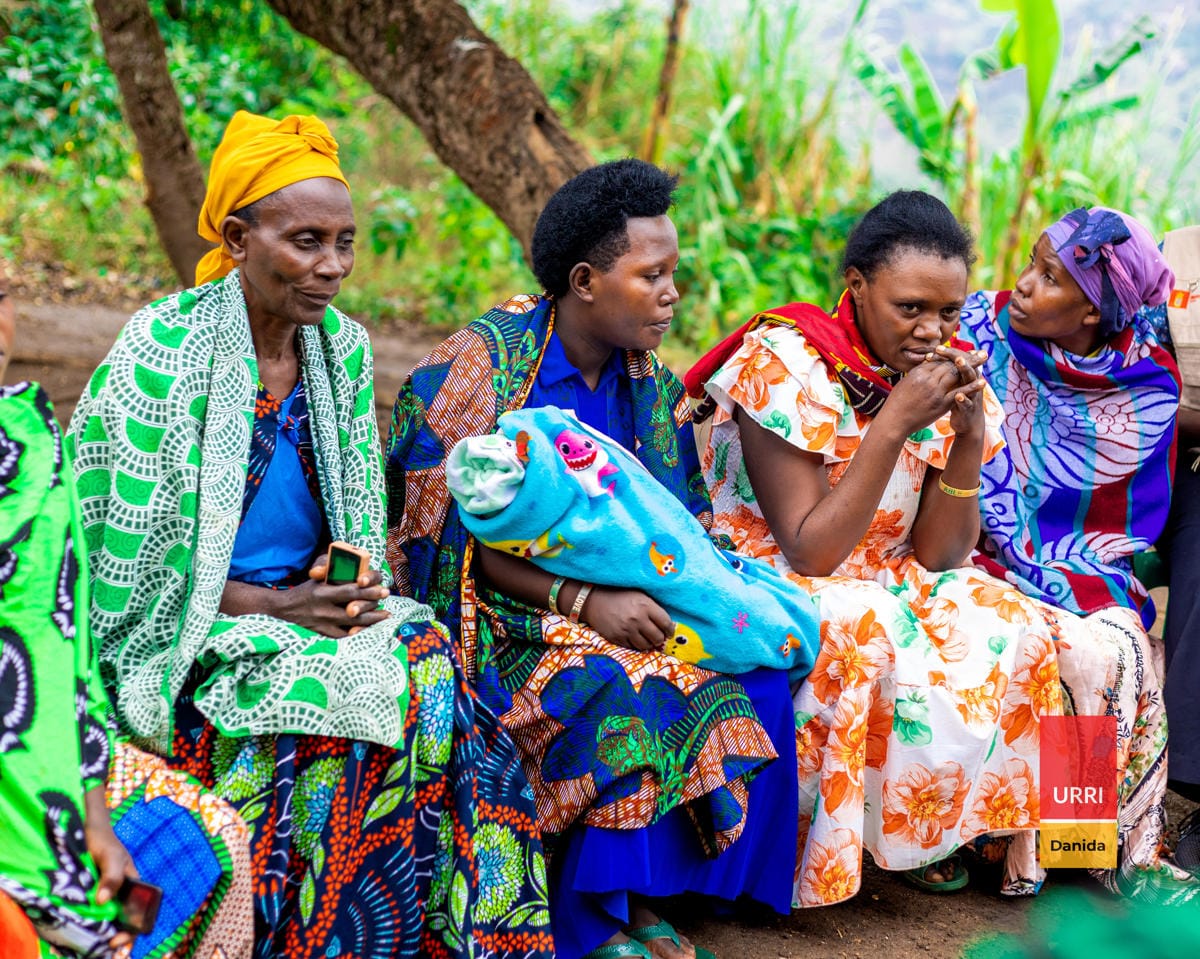
Equitable access to land is essential for strengthening livelihoods and self-reliance in Uganda’s refugee-hosting districts. However, women, youth and persons with disabilities face distinct barriers linked to customary land tenure, household-level allocation systems, social norms and assumptions about productive capacity. These challenges limit their opportunities to access, use and benefit from land.
This two-pager examines the barriers and vulnerabilities affecting these groups and highlights emerging approaches, including legal empowerment, digital land rights verification and inclusive governance. It provides practical recommendations for strengthening land rights awareness, integrating inclusion into planning and policies, and improving access to land and livelihood opportunities for marginalised groups.