The summary of the Uganda Self-Reliance Index (UG-SRI) User guide provides a brief for administering the Self-reliance index, its background and use, and the purpose and contents of the Uganda Self-reliance index in each domain.
Involving diverse community voices, empowering them to shape their development, and ensuring accountability throughout the program cycle.
The Learning Hub curates existing resources and makes them more accessible to the Refugee Respons Community
Gathering insights, identify good practices and bottlenecks, to ensure continuous programme improvement and adaptaion.
In order to facilitate collaboration between national-level and settlement-level stakeholders, U-Learn maps actors that operate in refugee settlements across Uganda, and makes the information publicly available

The Uganda Response Innovation Lab (U-RIL) is an interactive tool to bridge the skills gap in refugee and host communities in Uganda. A multitude of skilling programmes exist, but they’re scattered, information about them is not readily accessible, and there is limited coordination which contributes to a persistent skills gap. USE provides a central hub where organizations can share their information and where those looking to upskill can access opportunities, filtered by location.
The Climate and Energy Actor mapping highlights organizations supporting climate resilience in Uganda’s refugee response, fostering collaboration and connecting stakeholders to improve environmental efforts in refugee settlements.


The summary of the Uganda Self-Reliance Index (UG-SRI) User guide provides a brief for administering the Self-reliance index, its background and use, and the purpose and contents of the Uganda Self-reliance index in each domain.
The Uganda Self-Reliance Index (UG-SRI) user guide provides instructions for administering the Self-Reliance index, including interviewer guidance, domain definitions, and scoring procedures, to ensure consistency and high-quality implementation across contexts.
The Uganda Self-reliance Index (UG-SRI) baseline report summary shows a summary of the key findings findings from the baseline study whose objective was to enhance the understanding, coordination, measurement, and tracking of self-reliance among refugees and host communities in Uganda.
The Uganda Self-reliance Index (UG-SRI) baseline report by the Ministry of Gender, Labour and Social Development shows findings from the baseline study whose objective was to enhance the understanding, coordination, measurement, and tracking of self-reliance among refugees and host communities in Uganda. This snapshot presents key findings from the analysis conducted across nine refugee-hosting districts in Uganda. Funded by DANIDA, the study examines existing gender gaps, community power dynamics, and opportunities to foster inclusion and empowerment under the Uganda Refugee Resilience Initiative (URRI).
The URRI Gender and Power Analysis (GAP) aimed to provide an in-depth understanding of gender inequalities by capturing nuanced, context-specific insights and perspectives from women, men, and youth at household and community levels. The findings and recommendations will guide the development of a Gender Action Plan to strengthen URRI programme implementation by adapting interventions that address gender disparities, transform unequal power relations, and advance gender equality and social justice.This snapshot presents key findings from the analysis conducted across nine refugee-hosting districts in Uganda. Funded by DANIDA, the study examines existing gender gaps, community power dynamics, and opportunities to foster inclusion and empowerment under the Uganda Refugee Resilience Initiative (URRI).
Refugee Response Community
Results from 20 organisations enrolled in U-Learn’s AAP in Action (AAPA) program in Uganda’s refugee response
In recent years, Climate-Smart Agriculture (CSA) has emerged as a game-changer, helping...
Actors in the Response Community
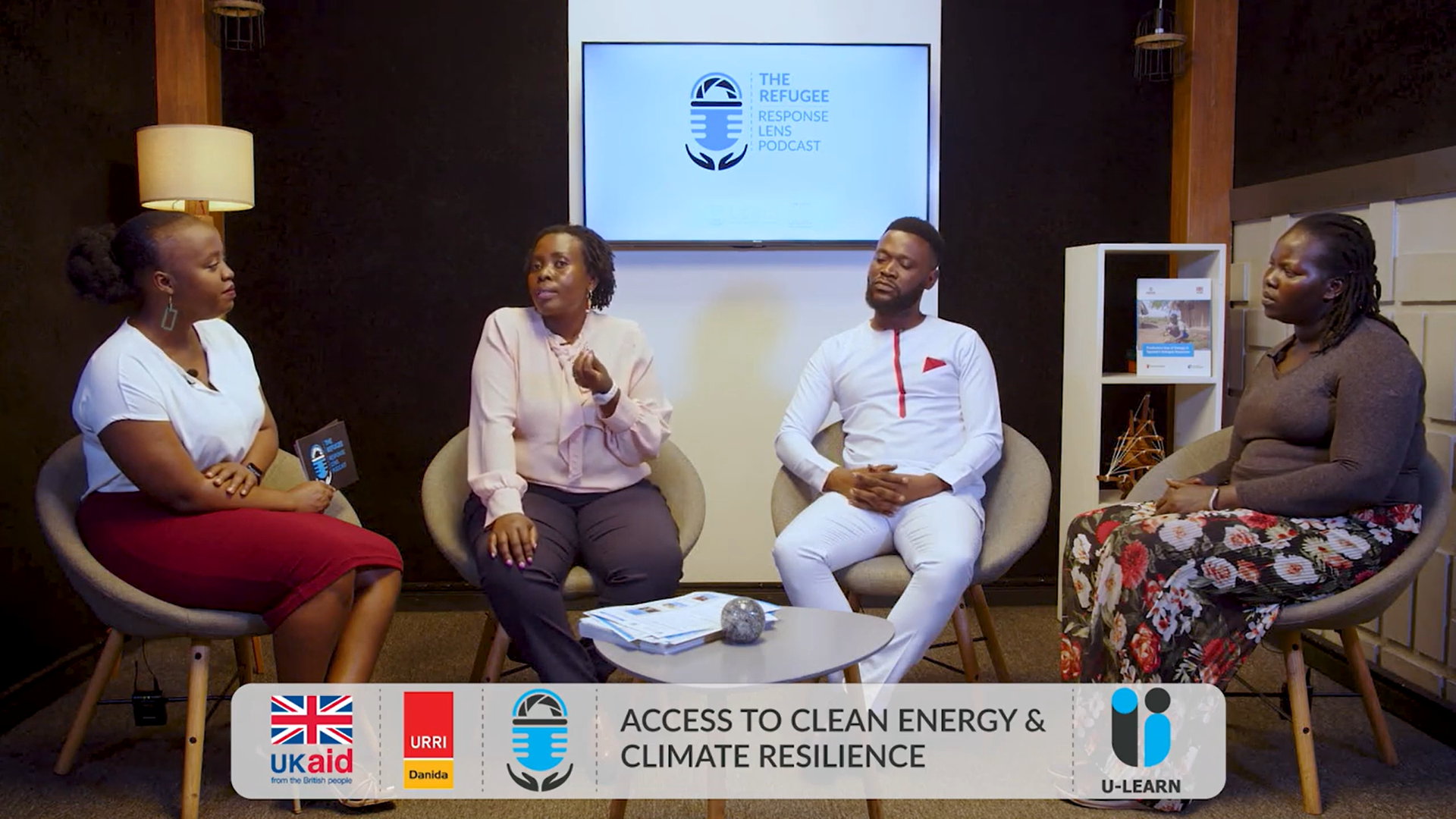
Access to Clean Energy and Climate Resilience in Uganda's Refugee Response
Refugee Response Community