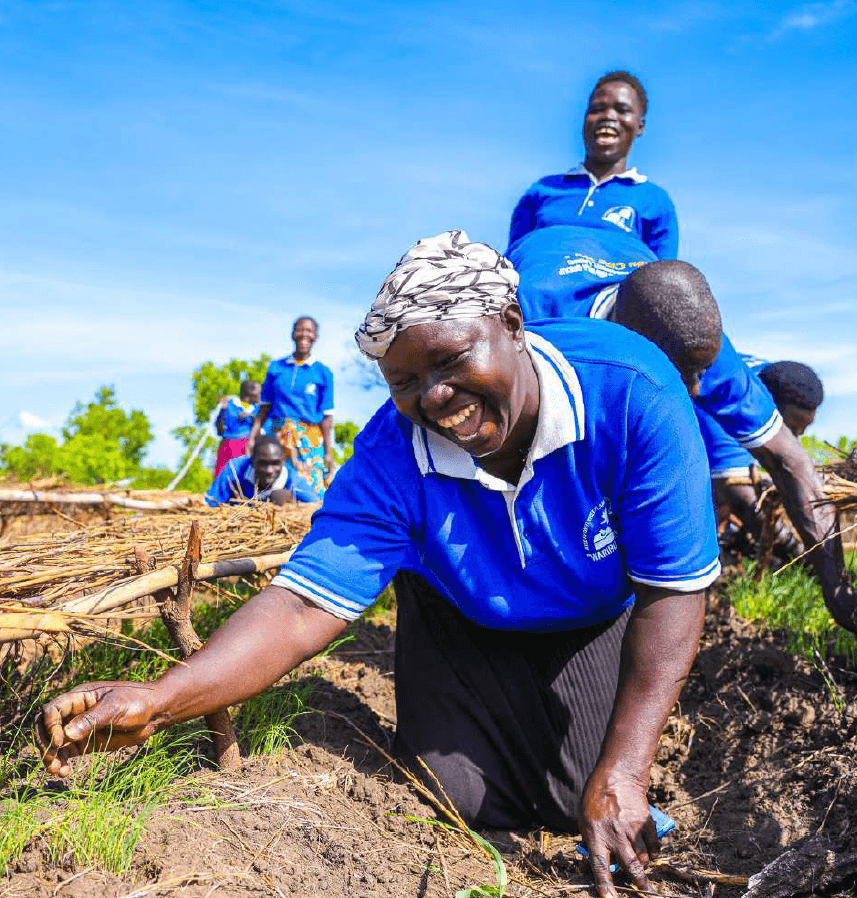
Taking Root – Building Resilience in Uganda’s Refugee-hosting Communities – Annual Report 2025
URRI’s 2025 Annual Report shares first-year results, stories and lessons from building resilience in Uganda’s refugee-hosting communities.
URRI’s 2025 Annual Report shares first-year results, stories and lessons from building resilience in Uganda’s refugee-hosting communities.
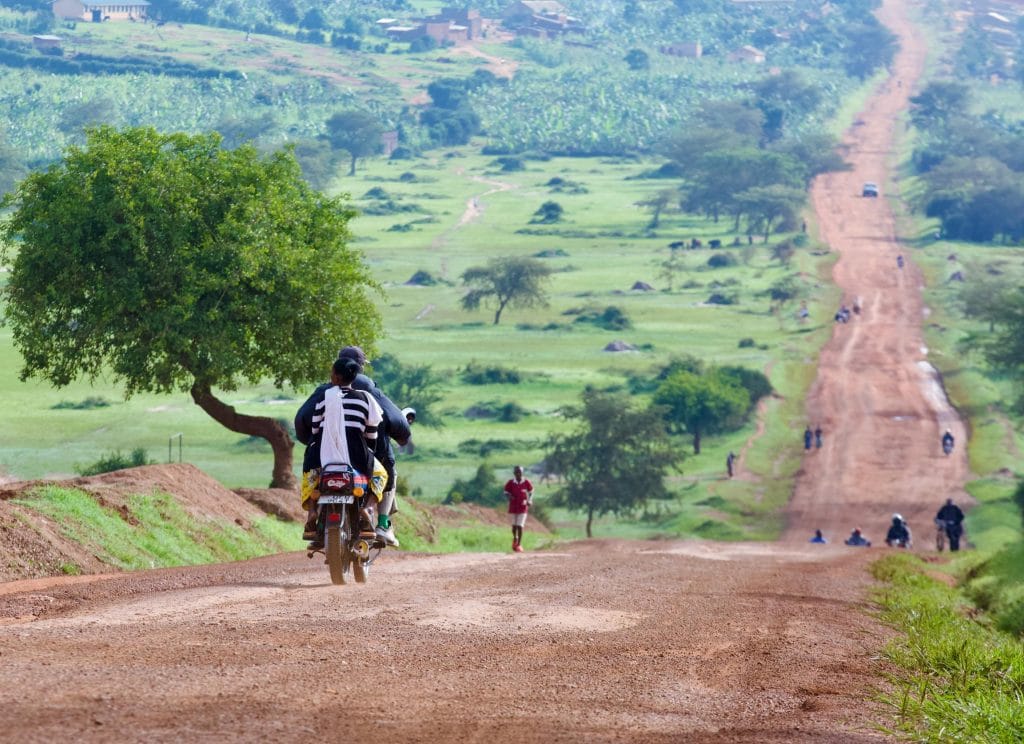
After one year of implementation, URRI is taking stock of the evidence emerging across its work on climate-resilient livelihoods, environmental sustainability, and gender equality and social inclusion.
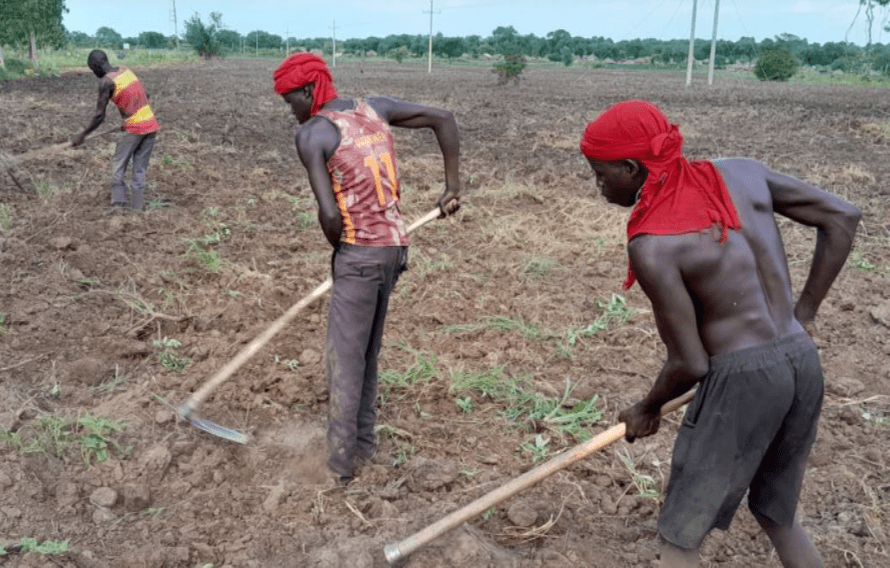
This assessment maps drought, heat, and flood risks in Uganda’s Yumbe District to help guide climate adaptation and disaster planning for local communities and Bidibidi Refugee Settlement residents.
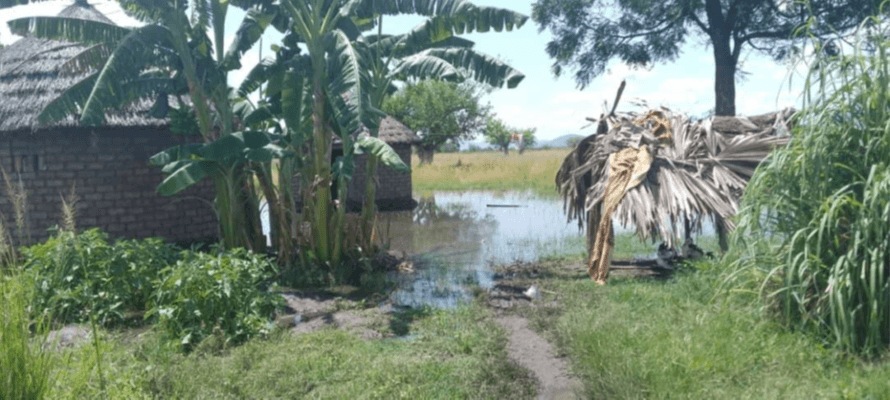
This climate hazard assessment highlights how rising temperatures, unpredictable rainfall, and recurring seasonal droughts and floods threaten livelihoods and food security for refugee and host communities in Uganda’s Adjumani District.
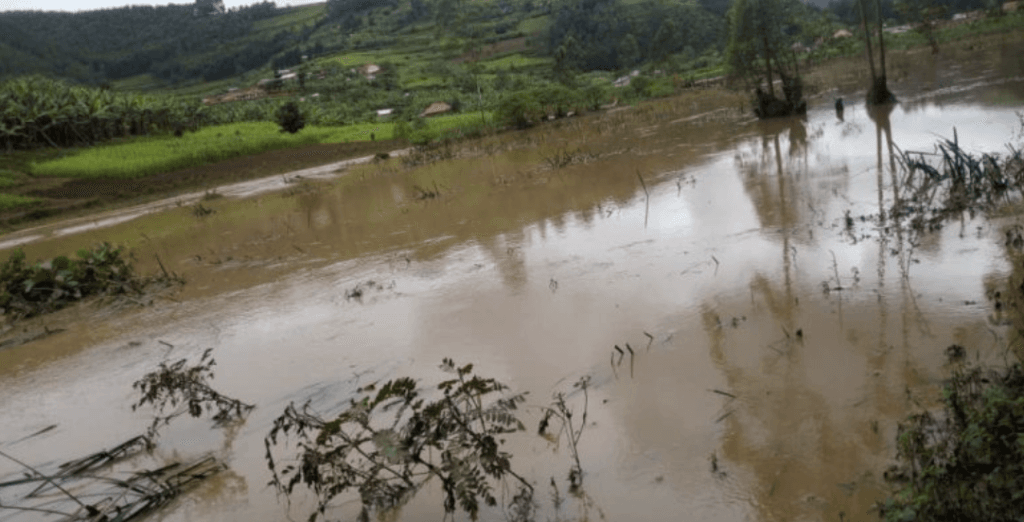
This assessment examines climate hazards in Isingiro District, highlighting increasing heat, seasonal drought and localized flooding and their impacts on refugee and host communities.
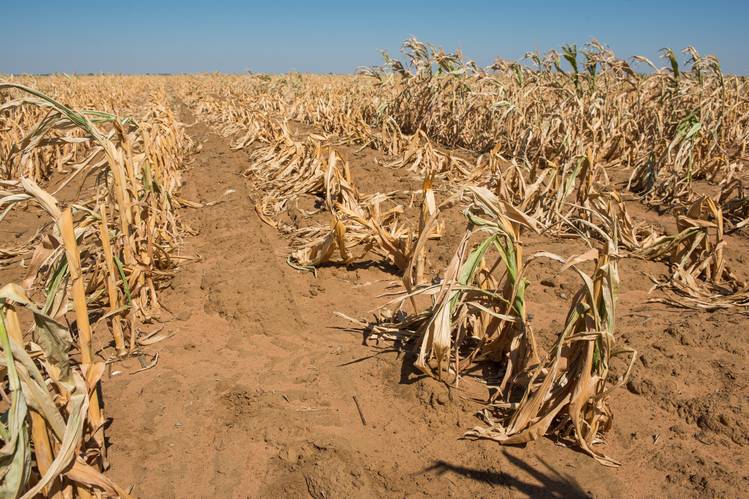
This assessment examines climate hazards in Kamwenge District, highlighting increasing drought, heat and localized flood risks and their implications for refugee and host communities.
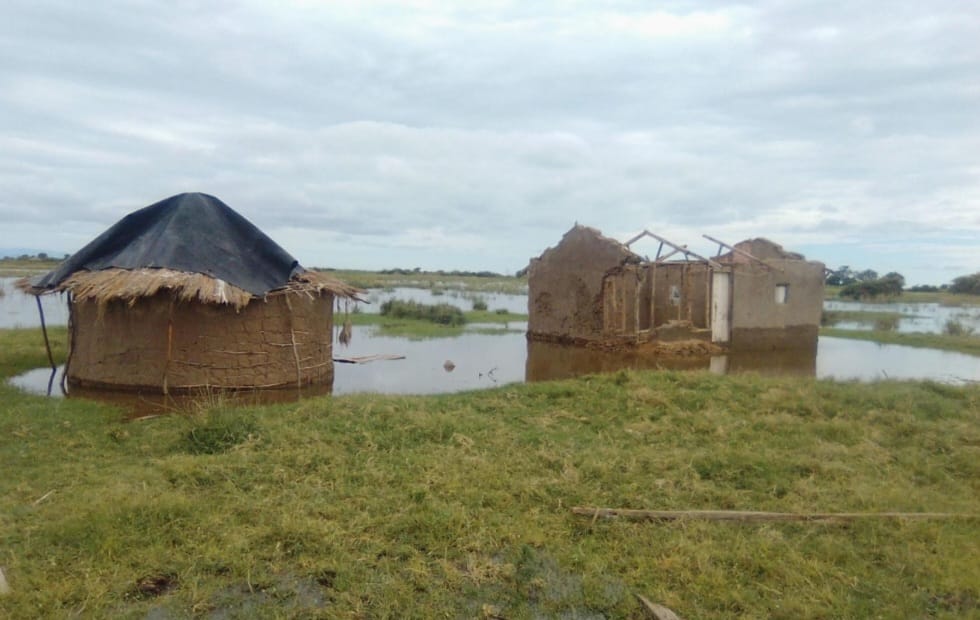
This report evaluates climate hazards in Uganda’s Kikuube District, where rising temperatures and unpredictable rainfall fuel severe seasonal droughts and localized flooding.
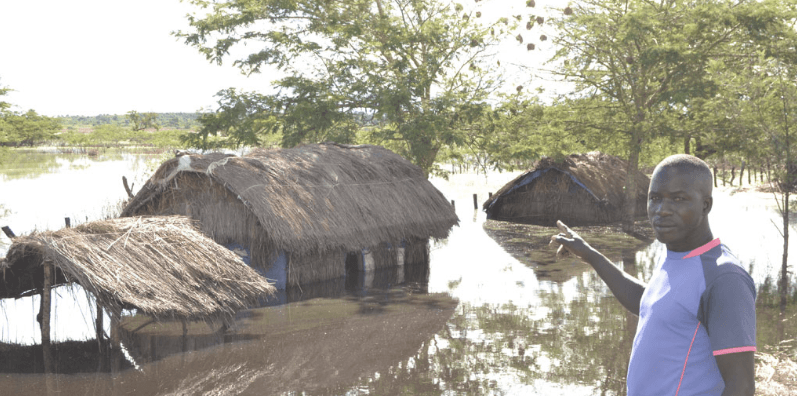
Published in April 2026 by REACH, this report evaluates climate risks in Kiryandongo District, Uganda, where rising temperatures and erratic rainfall threaten over 165,000 refugees and local host communities.
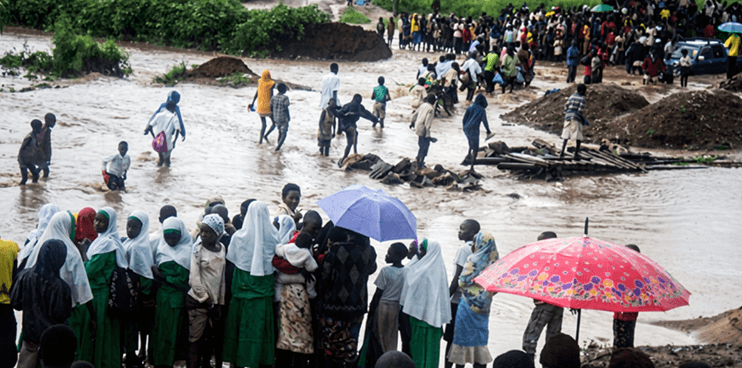
This report evaluates the climate hazard vulnerability of Koboko District, Uganda, a region hosting over 31,000 formal and self-settled refugees near the borders of South Sudan and the Democratic Republic of Congo.
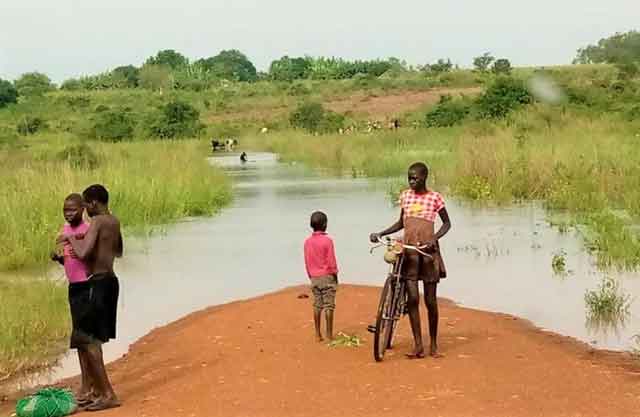
The REACH April 2026 report assesses climate hazards in Uganda’s Lamwo District, analyzing historical trends and future projections for seasonal drought and localized flooding.
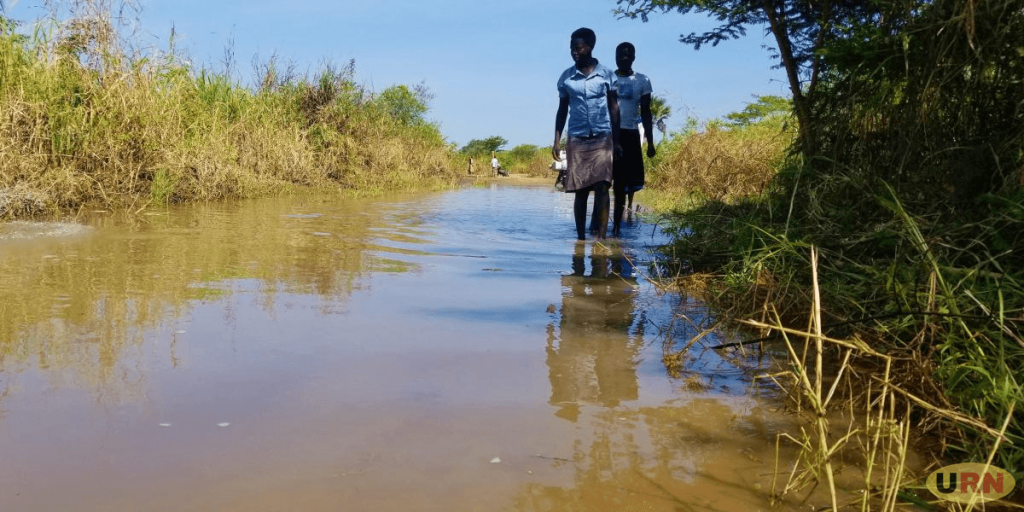
This summary presents downscaled climate projections for Madi Okollo District under the SSP2-4.5 moderate emissions scenario, evaluating shift patterns between the historical baseline (1970–2000) and mid-century (2041–2060).
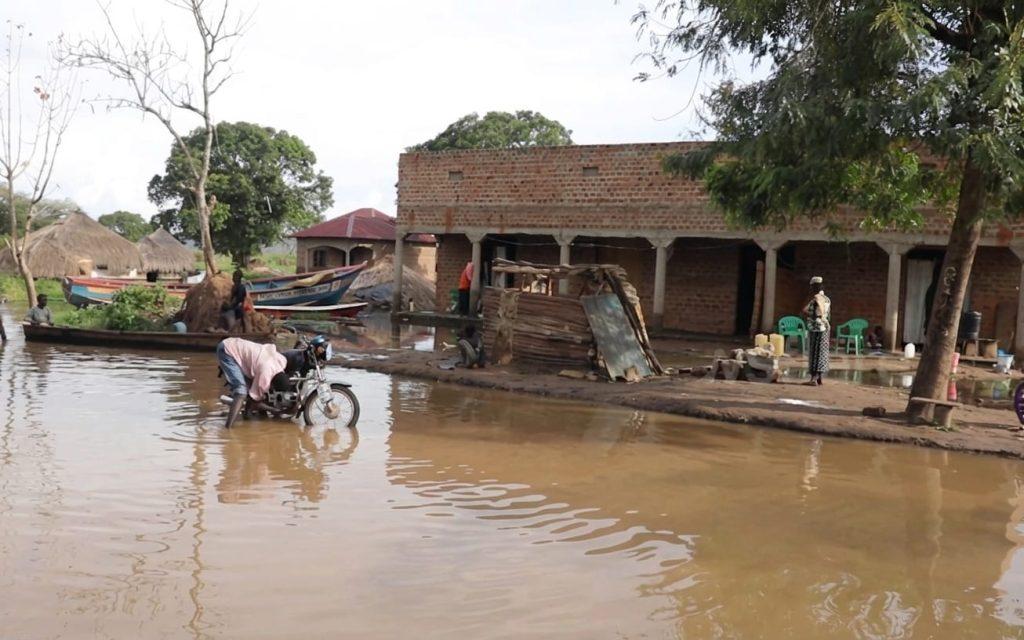
An assessment of seasonal drought risks, flood hazards, and mid-century climate projections for host and refugee communities in Obongi District, Uganda.
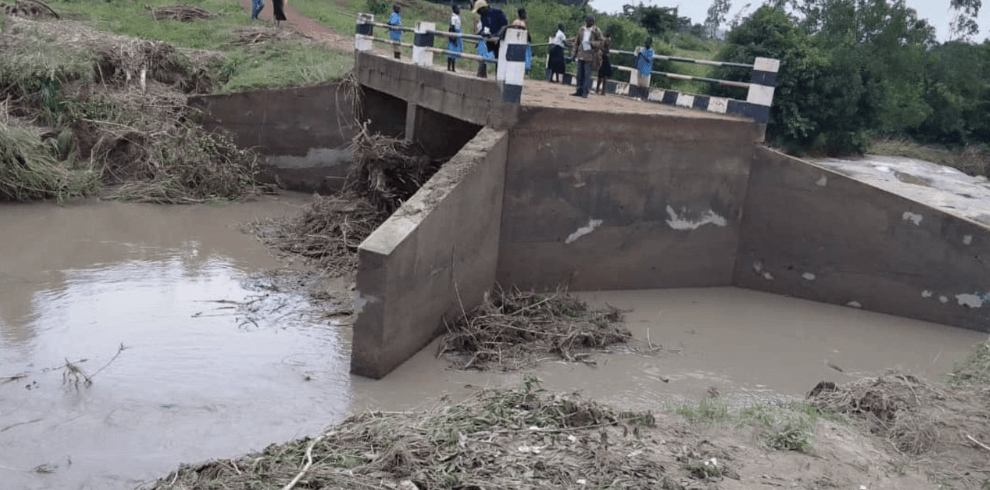
This REACH report analyzes climate hazards and future projections in Terego District, Uganda. It highlights rising heat stress, unpredictable rainfall, seasonal drought, and localized flooding affecting rural host communities and refugee settlements.
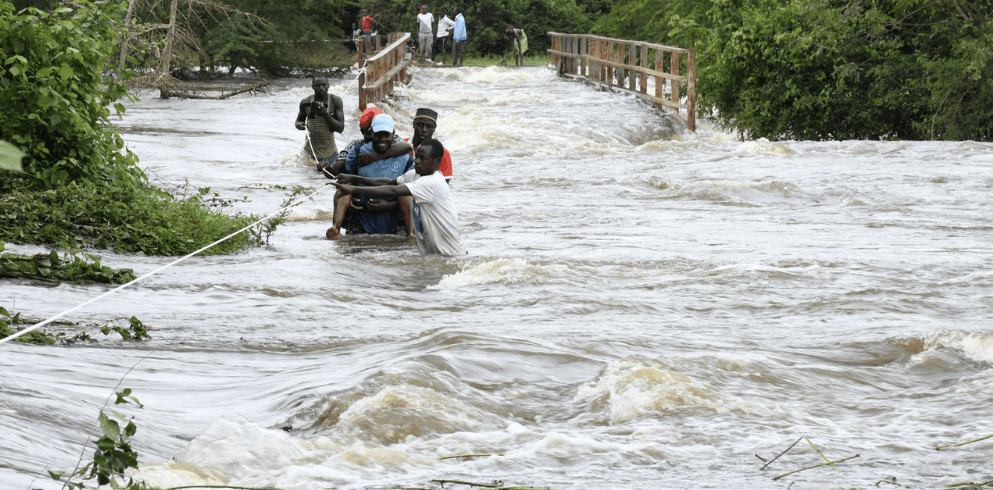
This assessment examines climate hazards in Kyegegwa District, focusing on drought, flooding, rainfall variability and rising temperatures, and their impacts on refugee and host communities. It provides evidence to support targeted climate adaptation and resilience planning.
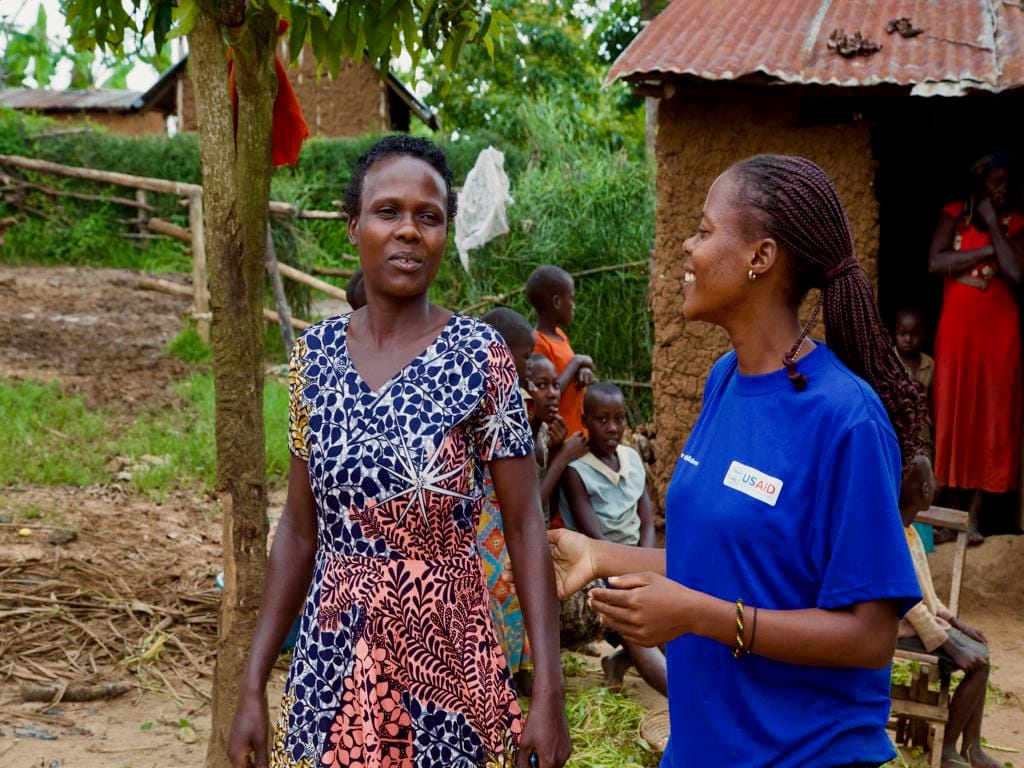
The partnership between Swisscontact and Home Harvest Limited, funded by USAID’s Uthabiti Activity, sought to improve the horticulture sector in Isingiro District by enhancing access to quality inputs, knowledge, and market opportunities for refugees and hostcommun ities.
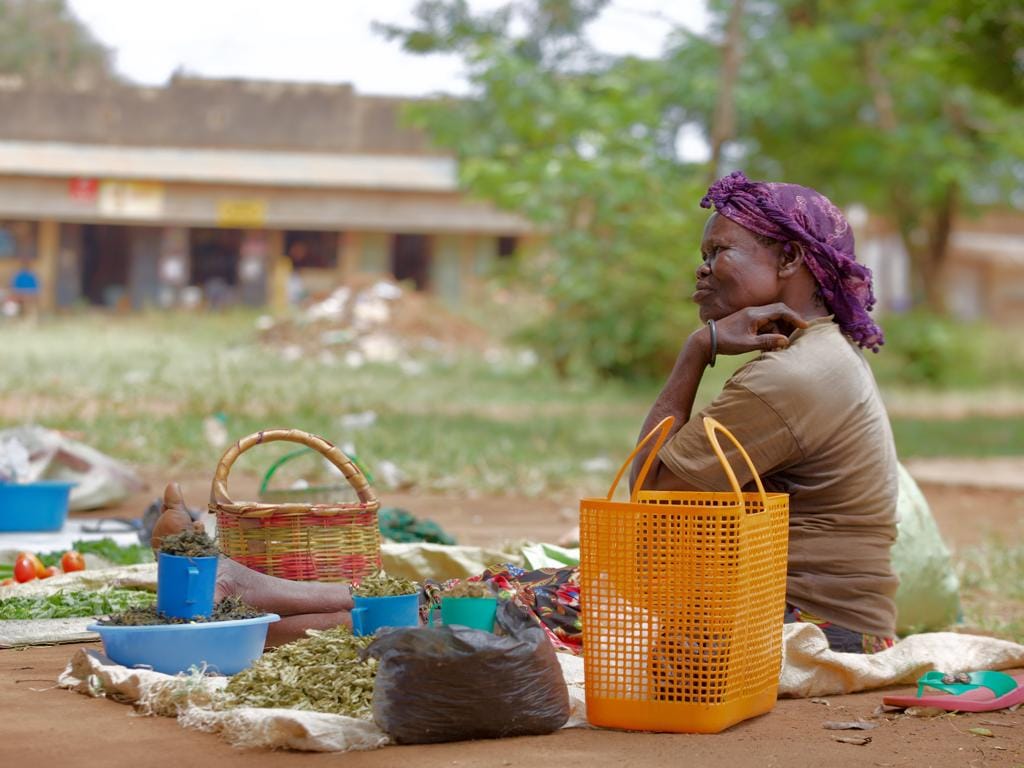
The partnership between Swisscontact and Erymag, funded by USAID’s Uthabiti activity, aimed to boost economic activity in Lamwo District, Uganda, by expanding agricultural trade networks.
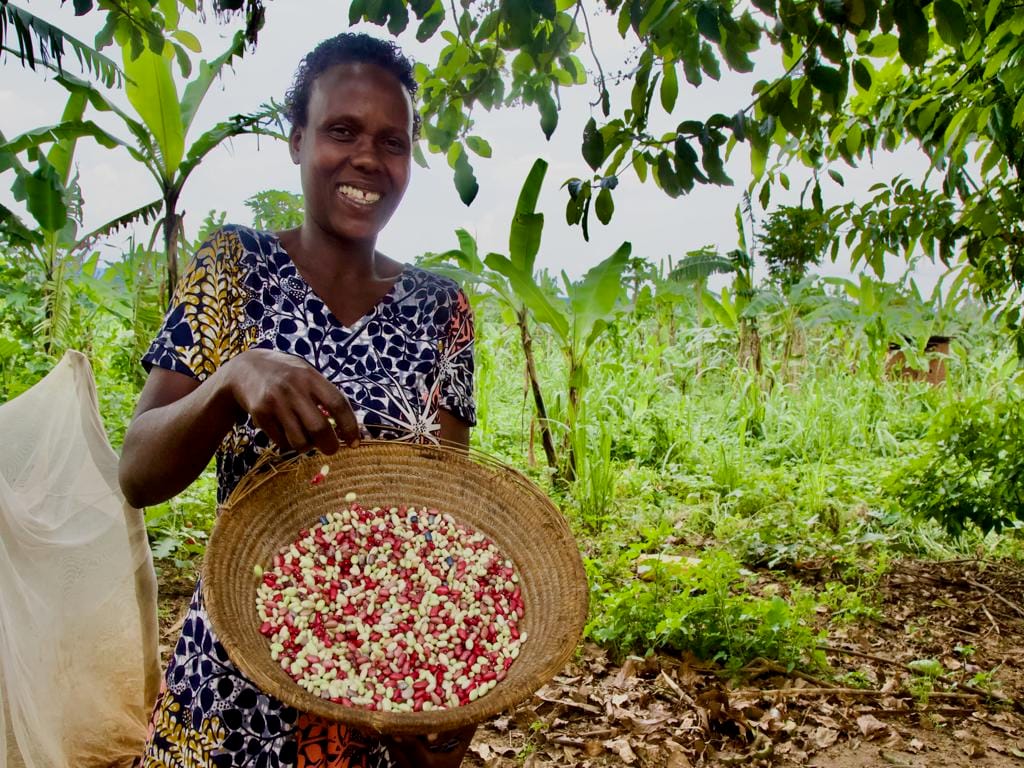
The collaboration between Swisscontact (market facilitator) and Birya United Agencies Ltd (private sector actor) within the USAID-funded Uthabiti Activity aimed to tackle systemic challenges in the dried beans supply chain of the Nakivale settlement.
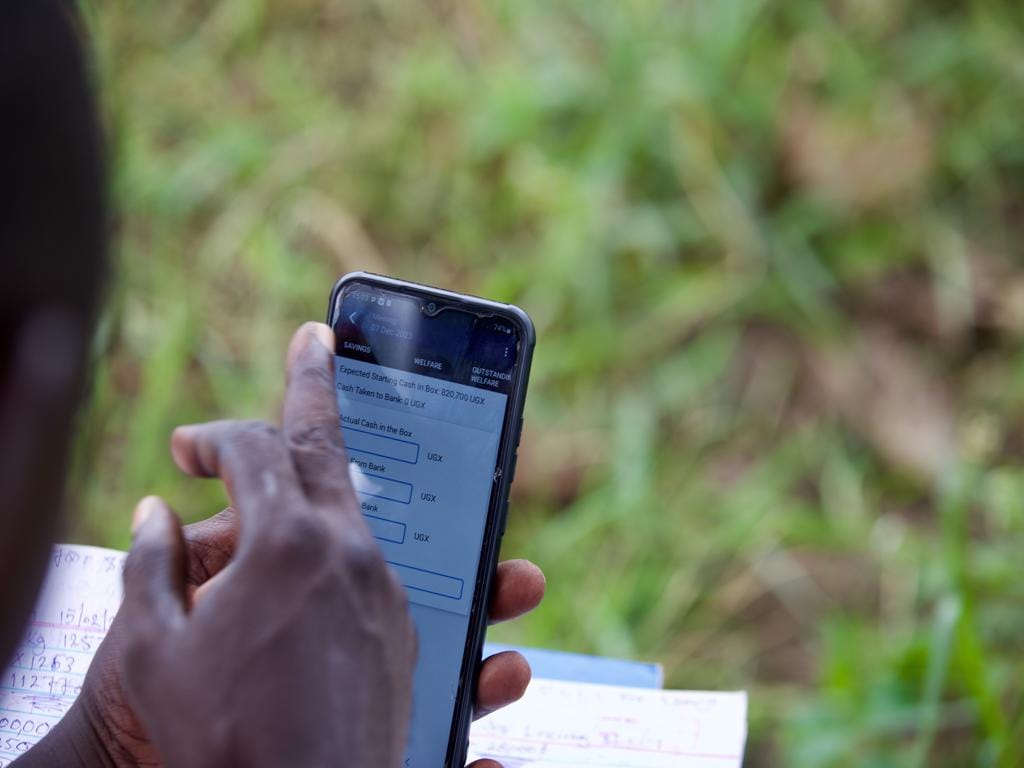
The collaboration between Grameen Foundation and the Rural Finance Initiative (RUFI) in Palabek was dedicated to advancing financial inclusion among refugee and host community members. This partnership focused on increasing access to financial services and digitising Village Savings and Loan Associations (VSLAs) to uplift households, foster self-reliance, and enhance economic
resilience within the targeted population.
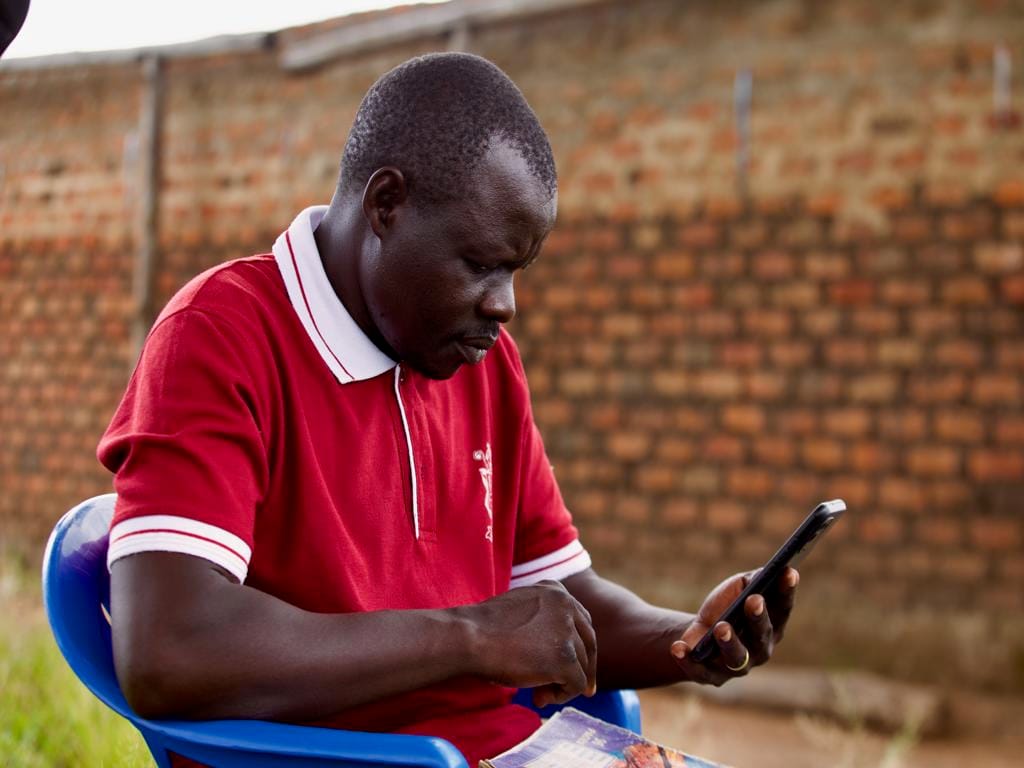
Grameen Foundation and UGAFODE partnered on the USAID-funded Uthabiti Activity to boost financial inclusion and resilience in Uganda’s Isingiro District. This summary presents key insights from a learning activity conducted in March 2024These findings shed light on the partnership’s emerging achievements in improving livelihoods and household well-being.
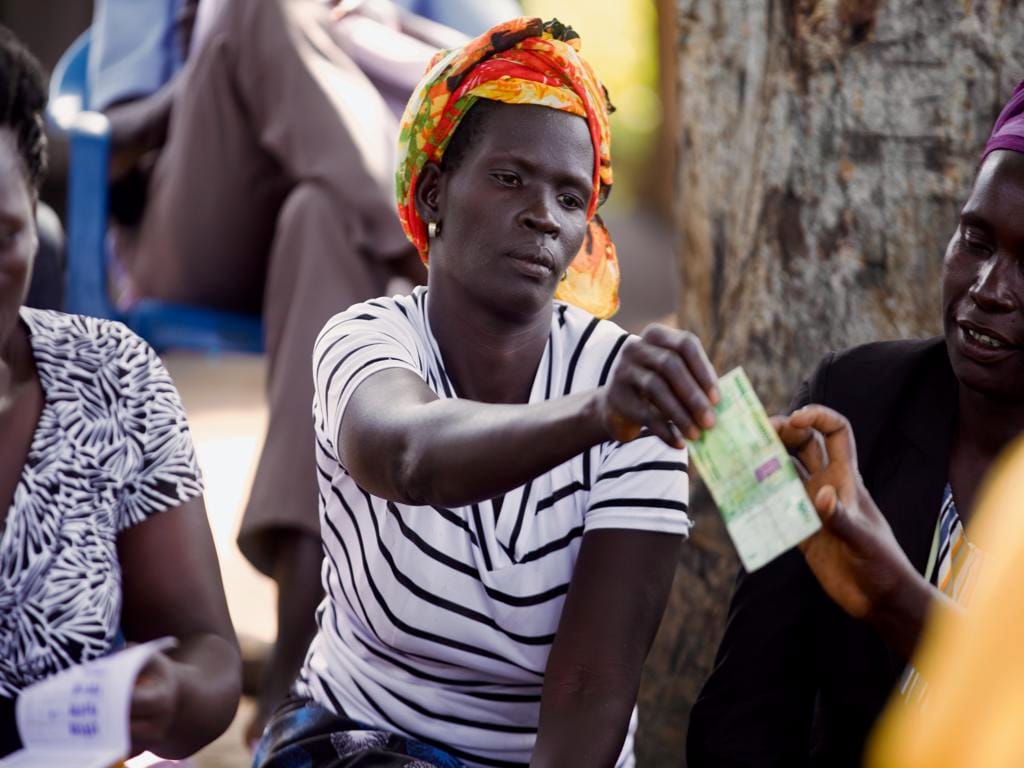
This learning review captures key lessons from five Uthabiti partnerships that strengthened livelihoods for refugees and host communities through financial inclusion, market linkages, agricultural training, and private sector collaboration.
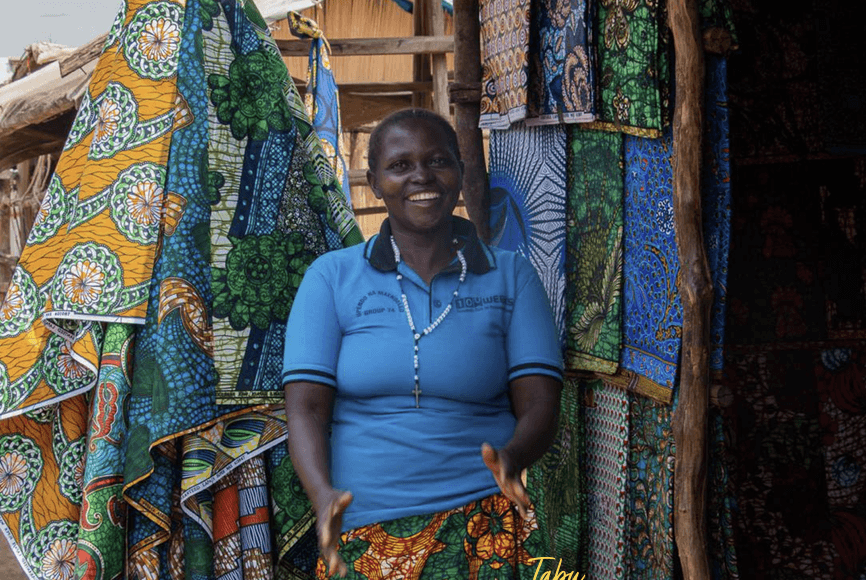
This reseach report evaluates how the 100WEEKS model – cash, savings groups, and training over two years – compares with the Uganda Cash Consortium’s (UCC) six months of unconditional cash assistance in supporting refugee households’ basic needs and self-reliance.
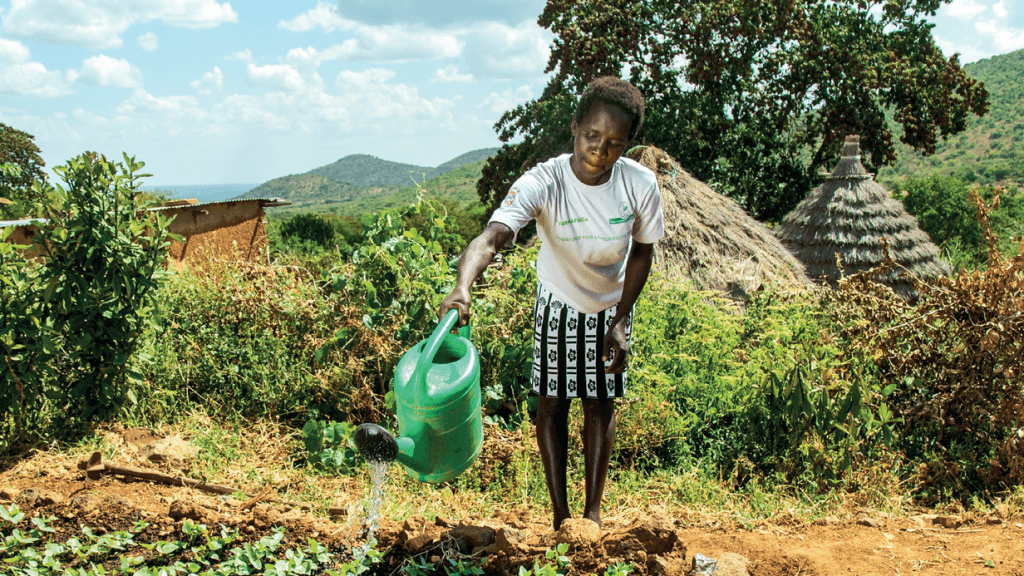
This summary explores how private sector engagement can strengthen agricultural livelihoods for refugees and host communities in Uganda. It highlights practical collaboration models between businesses and NGOs, key market-based approaches, common challenges, and recommendations for creating more sustainable and inclusive agricultural market systems in refugee-hosting districts.
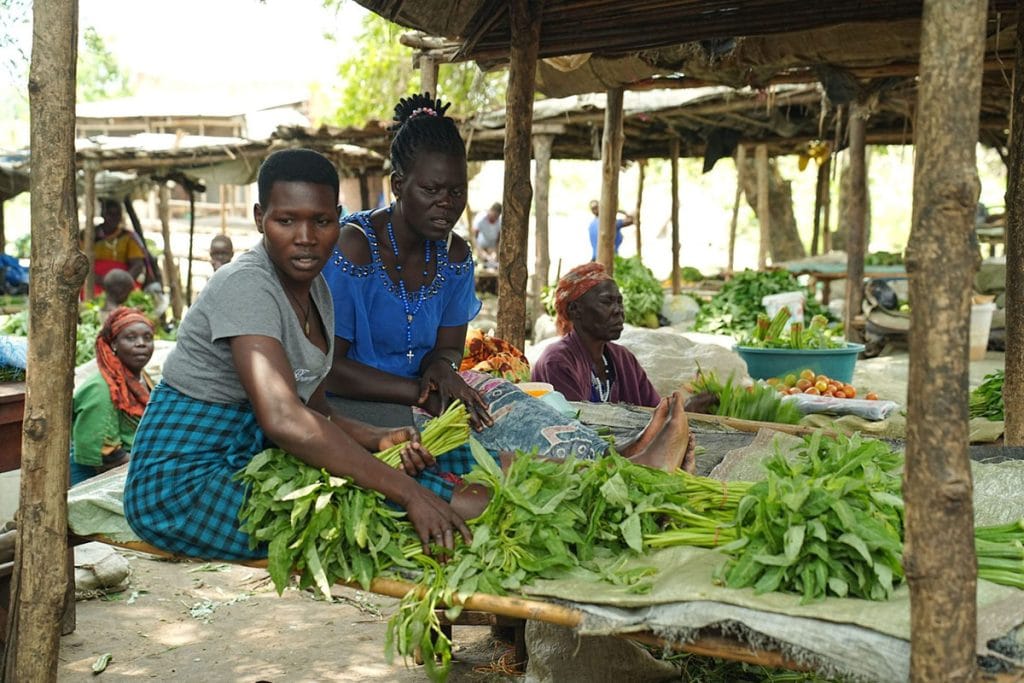
This output examines key lessons, partnership models, and practical strategies for improving private sector engagement in Uganda’s refugee response.
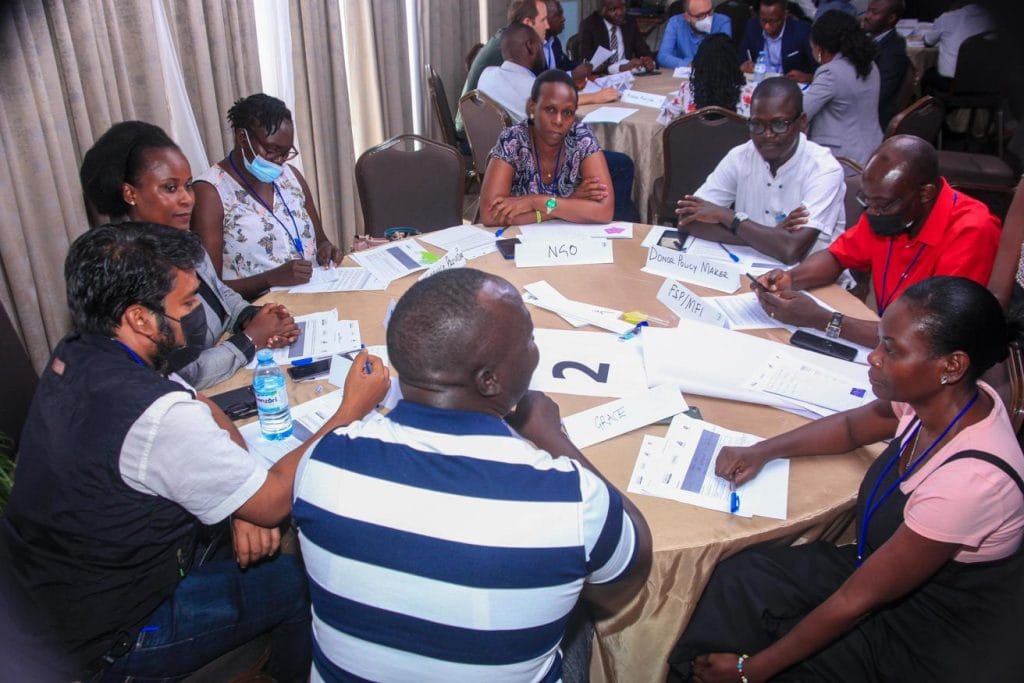
The 2025 CRRF Annual Report provides an overview of Uganda’s refugee response, highlighting national coordination, key frameworks, and efforts to strengthen a more integrated, government-led approach. Led by the Office of the Prime Minister, the report highlights collaboration between government, partners, and local actors to support refugees and host communities.
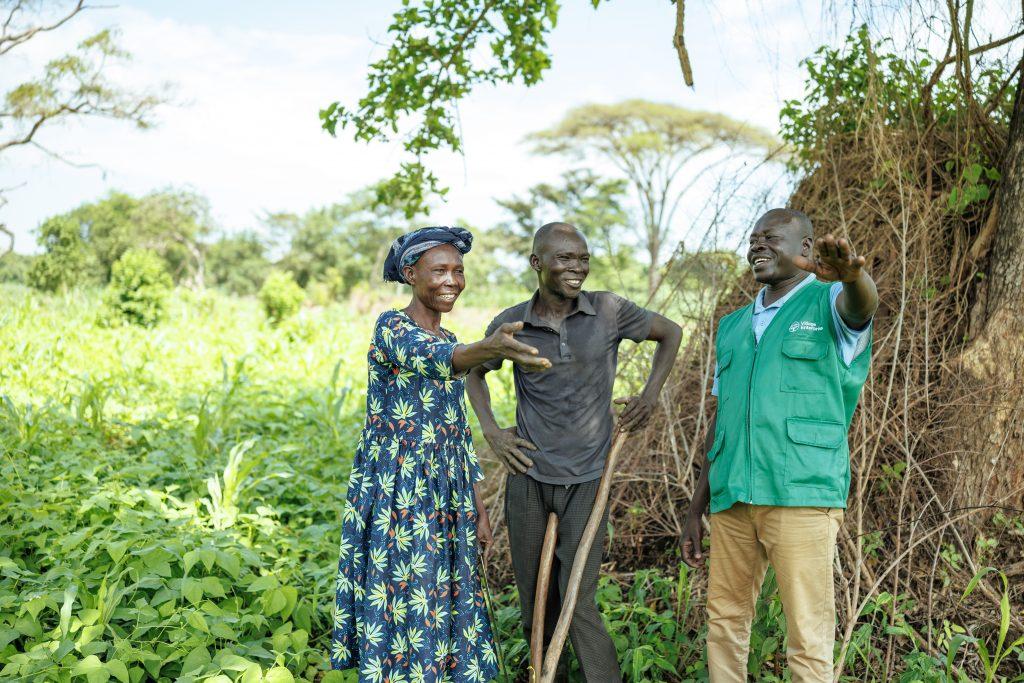
This is the report of the Workshop on lessons learned and key successes on self reliance and resilience building in refugee and host communities in Uganda. This workshop was organised by the Ministry of Gender, Labour and Social Development on 11 December 2025
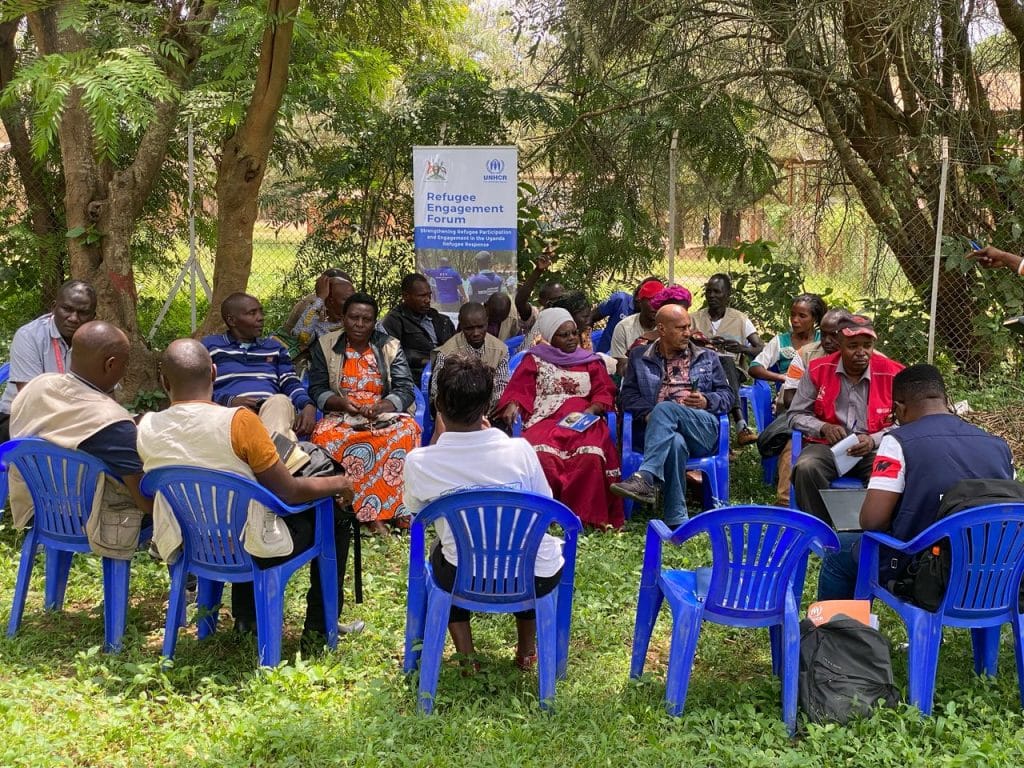
This report maps feedback and safeguarding mechanisms in Uganda’s refugee response, highlighting key strengths, gaps and recommendations to strengthen accountability and service delivery. It also captures community priorities, showing how food security, health, education and other needs are interconnected and increasingly urgent amid funding constraints.

In this video, Husna Babbra Kia Etum shares key recommendations from the Community Feedback Mechanism session at the 37th Refugee Engagement Forum (REF) dissemination workshop, organised by U-Learn. The REF creates a vital space where refugee voices directly inform policies and programmes through dialogue with government and partners—advancing accountability, participation, and locally driven solutions.
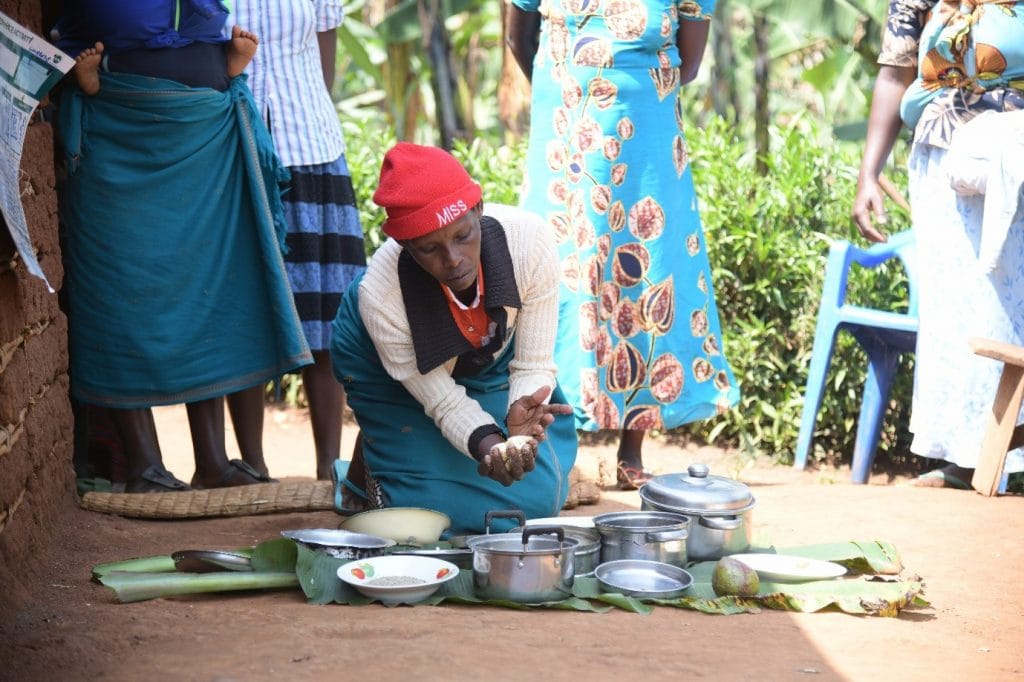
This blog reflects on how self-reliance has been conceptualised and operationalised in Uganda and on the programmatic pathways actors are prioritising today. It also summarizes the progress made towards reaching the GRF pledge made by the Government of Uganda on resilience and self-reliance. Emphasis is placed on the multi-dimensionality of self-reliance.
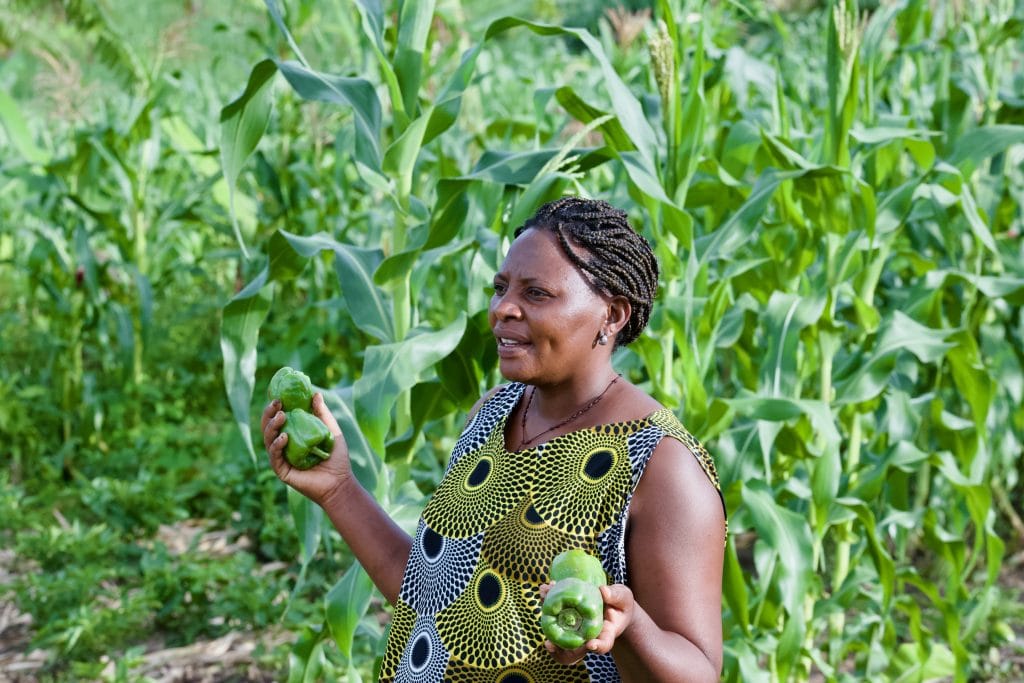
U-Learn and HINGO, with support from FCDO, conducted a rapid Community Priorities Assessment based on interviews with 38 Refugee Welfare Councils. The findings highlight food security as the most frequently identified top priority, while health, education and other services also feature prominently. Collected just before further service cuts in January 2026, the assessment underscores the increasingly urgent, interconnected and multi-sectoral needs facing refugee communities.

Energy access and climate resilience are critical pillars of the Uganda refugee response. This video explores practical innovations, technical approaches, and future projections shaping sustainable energy and climate action in this context.
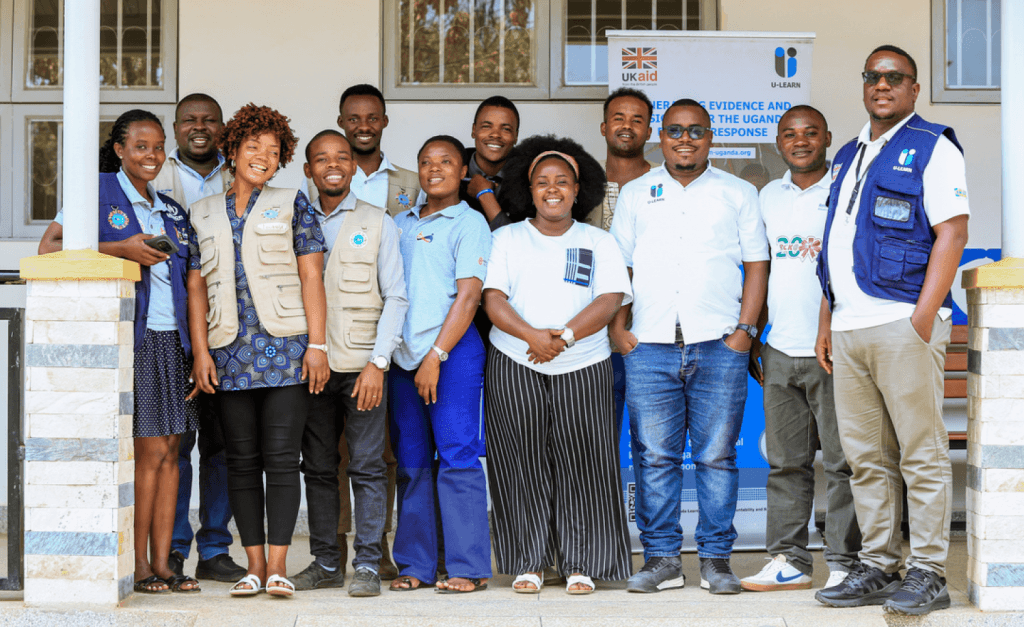
Localisation is a priority of the Uganda refugee response and a Grand Bargain commitment. Since 2020, U-Learn has advanced this agenda by strengthening local humanitarian leadership and promoting inclusive participation in key response platforms. This learning brief highlights the key workstreams and lessons emerging from these efforts.
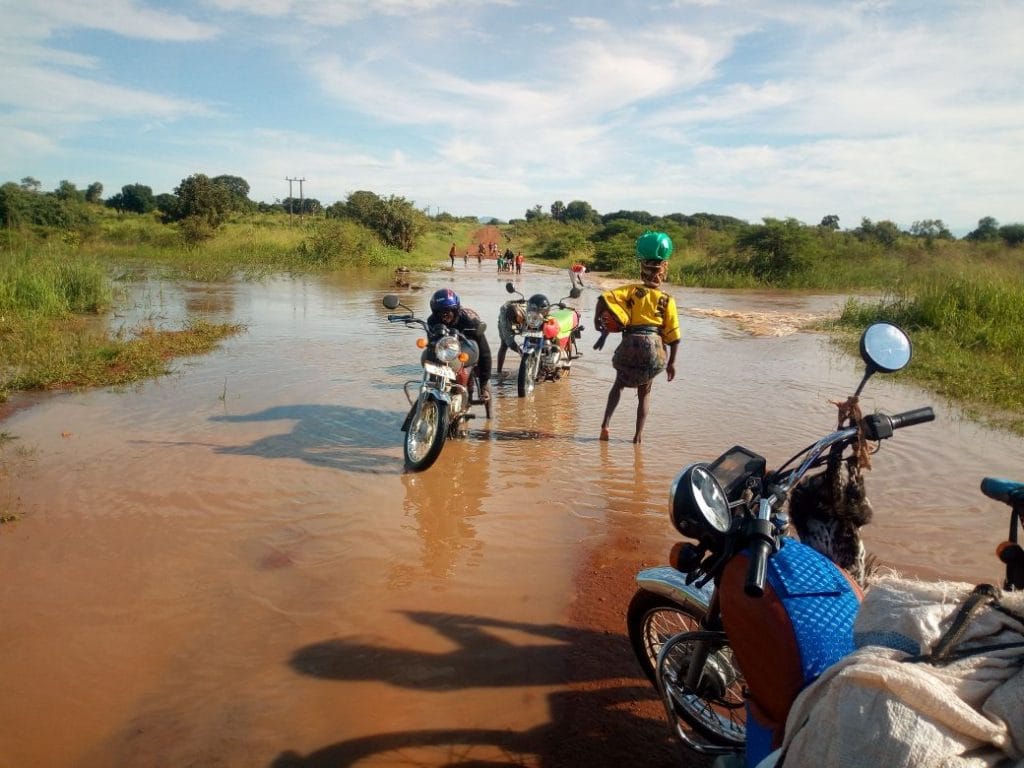
This brief shows how climate-related hazards are increasing the burden of unpaid household labour, particularly for women and girls. It shows how water scarcity, flooding, and extreme heat intensify workloads, heighten protection risks, and reduce time for education and income-generating activities.
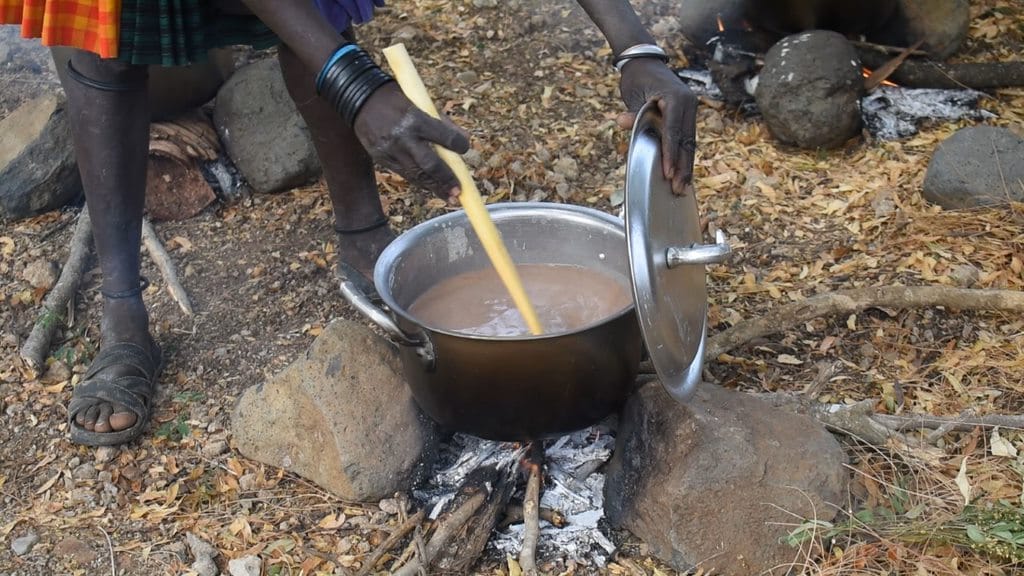
This brief shows how climate-related hazards are increasing the burden of unpaid household labour, particularly for women and girls. It shows how water scarcity, flooding, and extreme heat intensify workloads, heighten protection risks, and reduce time for education and income-generating activities.
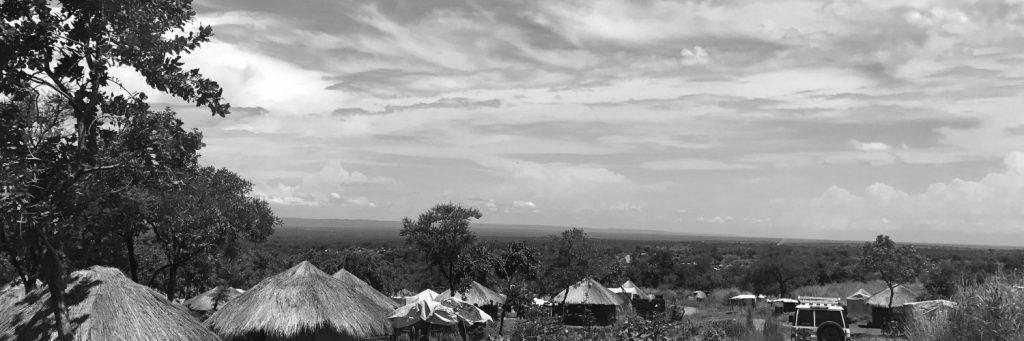
This brief highlights how extreme heat, drought, and flooding are affecting agricultural livelihoods in Nyumanzi Refugee Settlement. It documents reduced crop yields, livestock losses, and food insecurity, alongside community coping strategies and key gaps in climate-resilient support.

The JLIRP remained highly relevant to Uganda’s development and refugee-response priorities, addressing the critical needs of self-reliance, income generation, food security, and skilling in line with NDP III, Vision 2040, the CRRF, and other sector refugee
response plans.
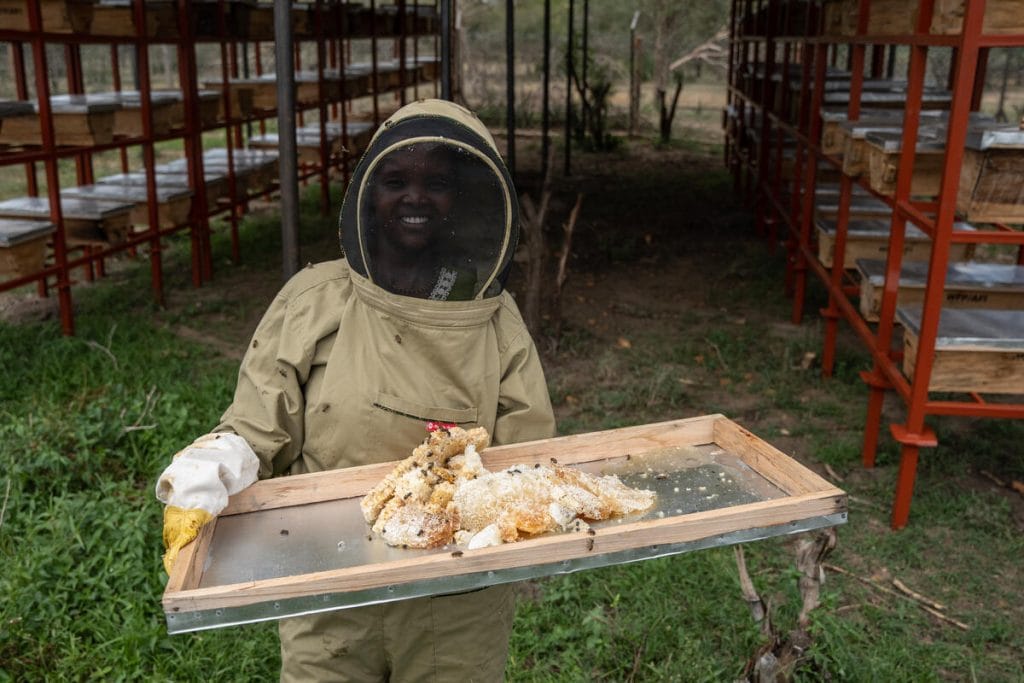
The summary of the Uganda Self-Reliance
Index (UG-SRI) User guide provides a brief for administering the Self-reliance
index, its background and use, and the purpose and contents of the Uganda
Self-reliance index in each domain.
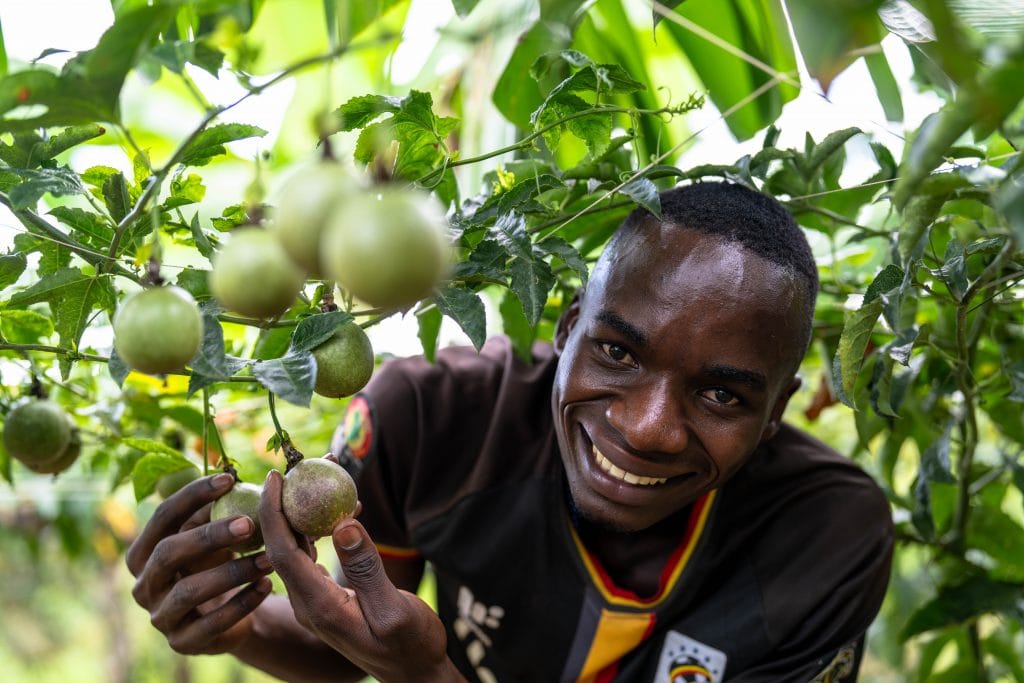
The Uganda Self-Reliance Index (UG-SRI) user guide provides instructions for administering the Self-Reliance index, including interviewer guidance, domain definitions, and scoring procedures, to ensure consistency and high-quality implementation across contexts.
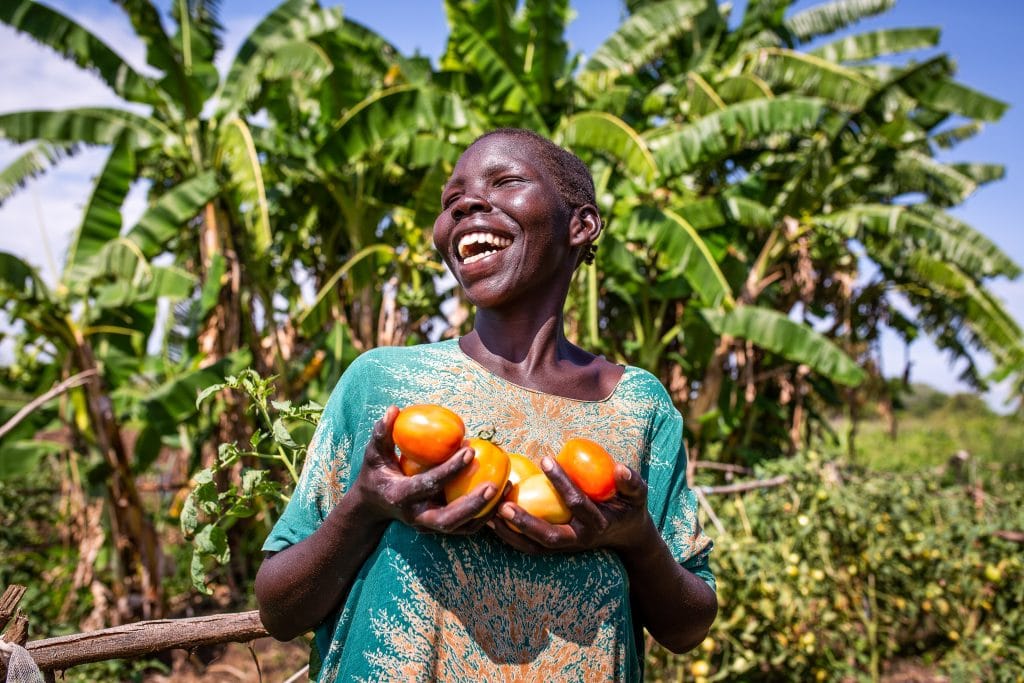
The Uganda Self-reliance Index (UG-SRI) baseline report summary shows a summary of the key findings findings from the baseline study whose objective was to enhance the understanding, coordination, measurement, and tracking of self-reliance among refugees and host communities in Uganda.
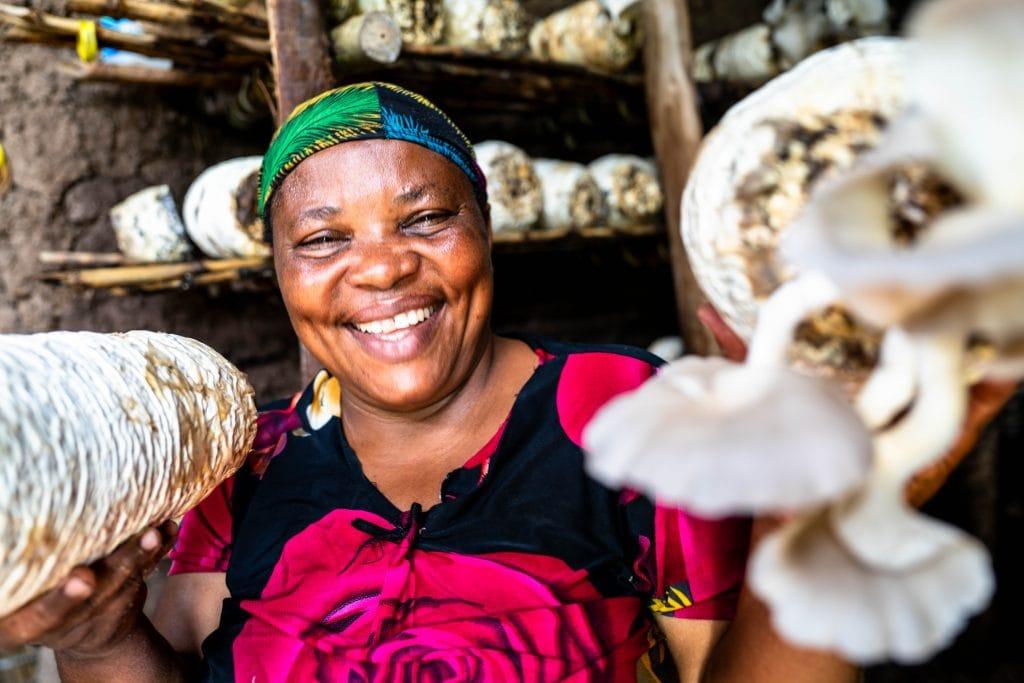
The Uganda Self-reliance Index (UG-SRI) baseline report by the Ministry of Gender, Labour and Social Development shows findings from the baseline study whose objective was to enhance the understanding, coordination, measurement, and tracking of self-reliance among refugees and host communities in Uganda.
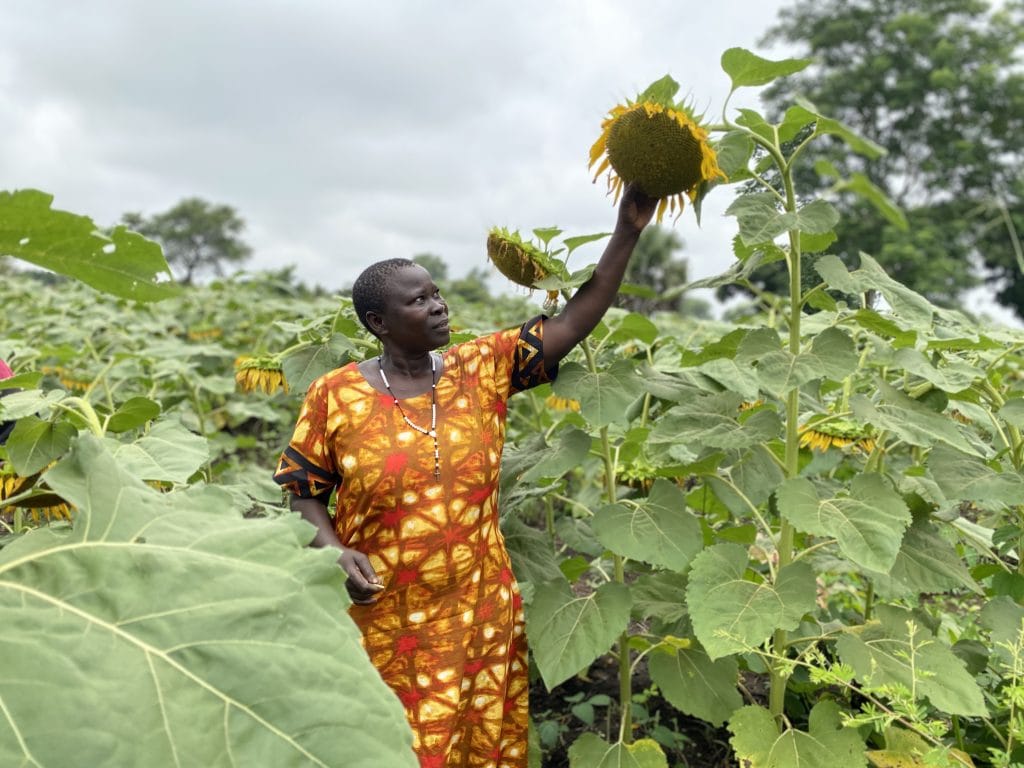
The URRI Gender and Power Analysis (GAP), funded by DANIDA, examined gender inequalities, power dynamics, and opportunities for inclusion across nine refugee-hosting districts in Uganda. Its findings provide the foundation for a Gender Action Plan that will strengthen URRI programming by addressing gender disparities, transforming unequal power relations, and advancing gender equality and social justice.
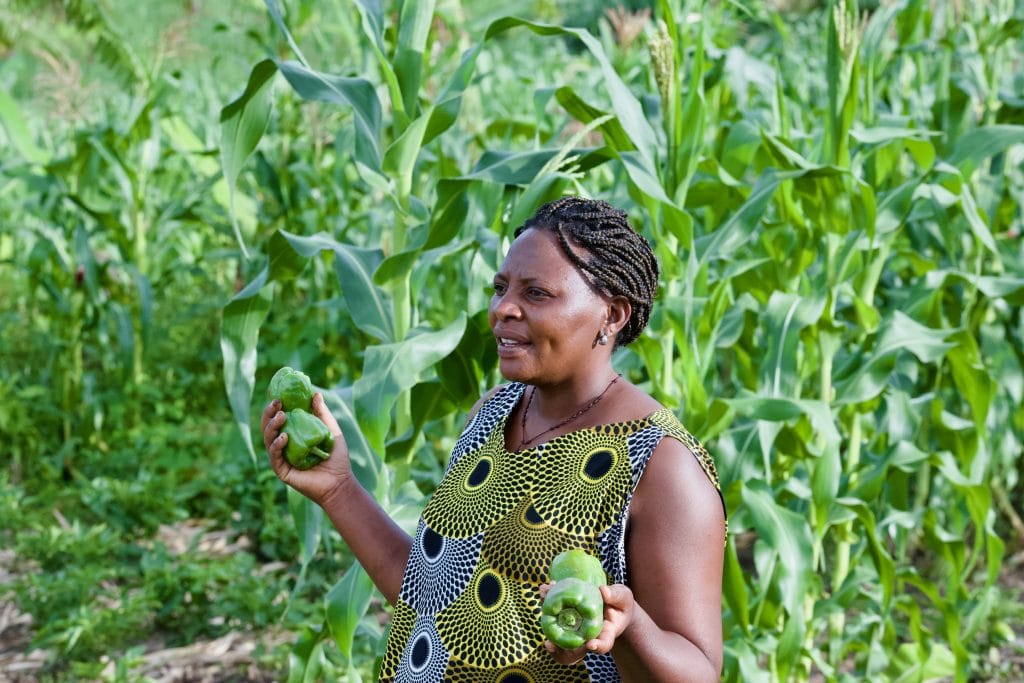
The URRI baseline assessment, funded by DANIDA, established reference data across nine refugee-hosting districts in Uganda on climate-smart agriculture, natural resource management, and gender inclusion. The findings provide a foundation for tracking URRI’s impact and informing evidence-based programming to strengthen resilience among refugees and host communities.
This summary presents key insights from the URRI baseline assessment carried out in nine refugee-hosting districts of Uganda. The study established reference data on climate-smart agriculture, natural resource management, and gender inclusion to guide programme implementation. Funded by DANIDA, the baseline provides a foundation for tracking progress and measuring the impact of the URRI programme.
This snapshot highlights key findings from a Gender and Power Analysis conducted across nine refugee-hosting districts in Uganda. The study explores existing gender inequalities, community power dynamics, and opportunities to promote inclusion under the Uganda Refugee Resilience Initiative (URRI). Funded by DANIDA, the analysis informs programme strategies to strengthen gender equality and empowerment.
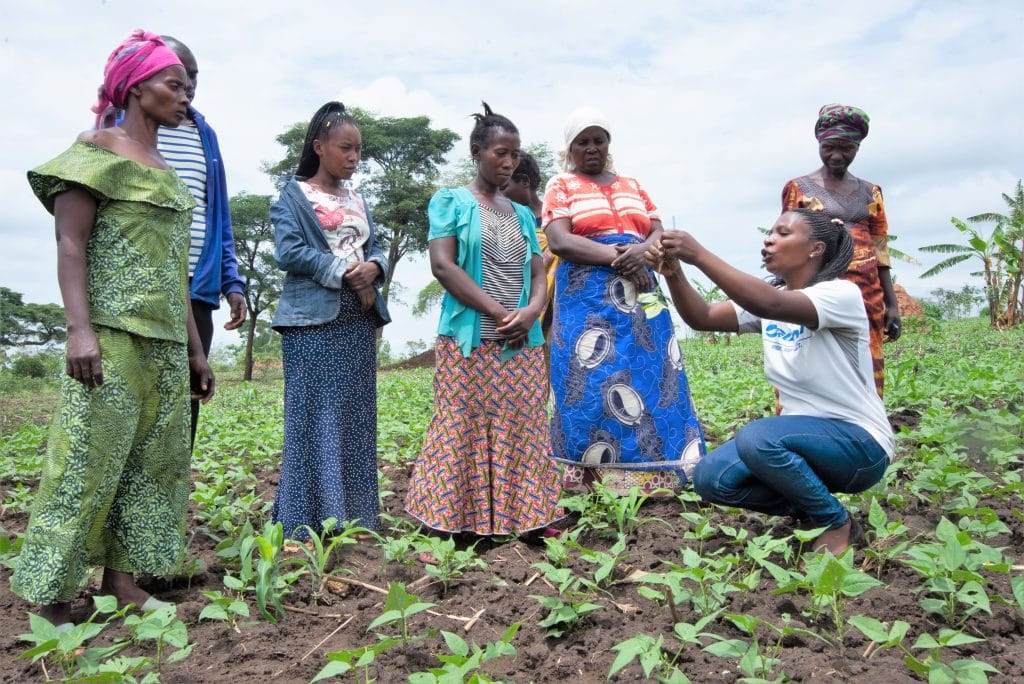
This Climate terminology bank provides key definitions and facts related to climate and resilience for Uganda’s refugee response. Its goal is to build a common understanding among stakeholders and support the integration of climate-smart practices in humanitarian efforts.
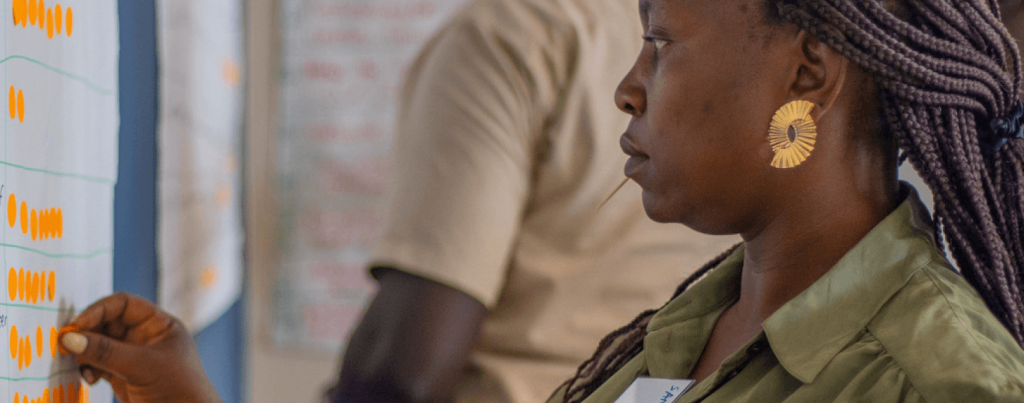
The Learning and Innovation Agenda (LIA) guidance summarises and preserves the institutional memory and tacit know-how of the U-RIL team over the past six years. Read more in this 2-page summary.

This guidance summarises and preserves the institutional memory & tacit know-how of the U-RIL team on the topic of Learning Agenda Development.
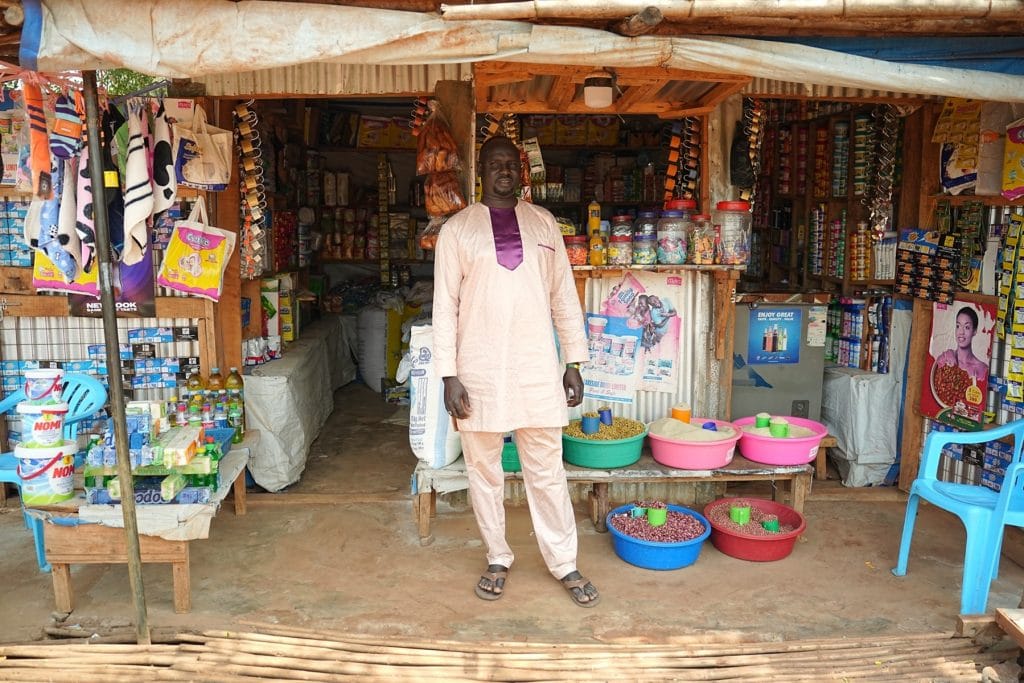
The Self-reliance brief captures the state of affairs of self-reliance policy and programming in Uganda’s refugee response.
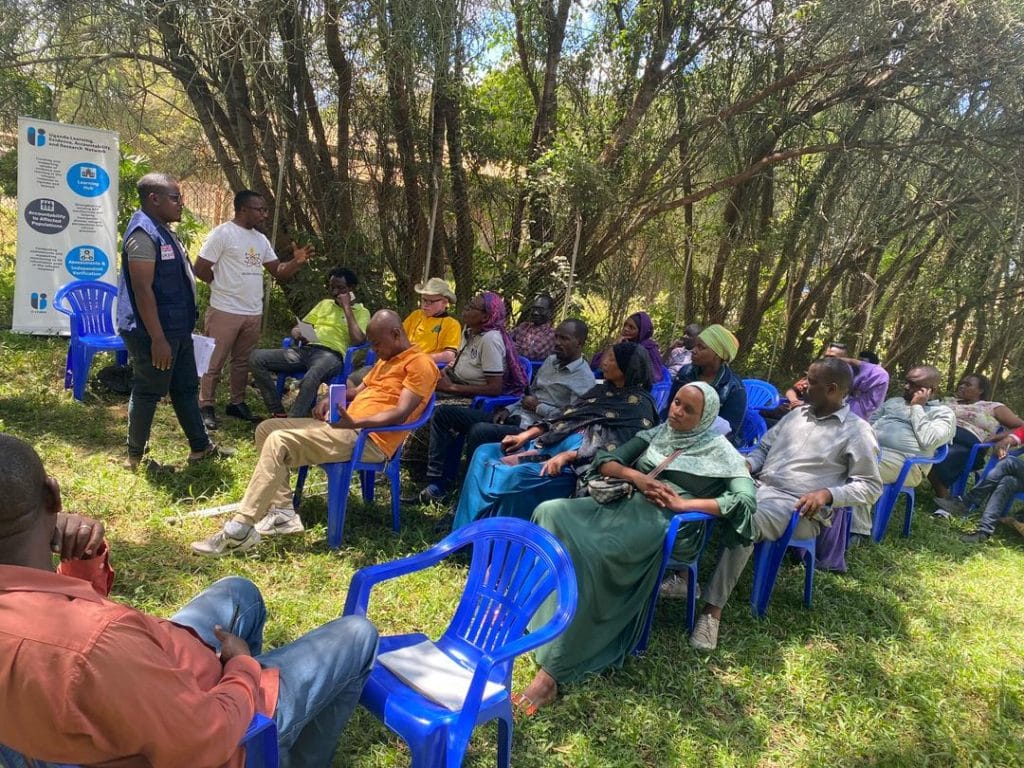
The Localisation Assessment Report explores how actors currently generate, share, and use evidence and how they engage affected populations to inform decision-making in the Uganda’s refugee response.
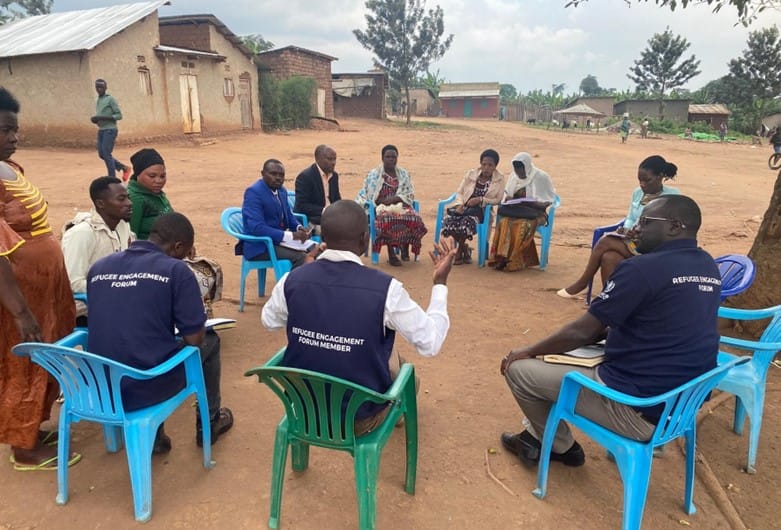
The Localisation Evidence Brief was developed to support more locally-led humanitarian action in Uganda’s refugee response. It captures learning from across Uganda’s localisation landscape drawing on consultations with various actors in the Refugee Response.
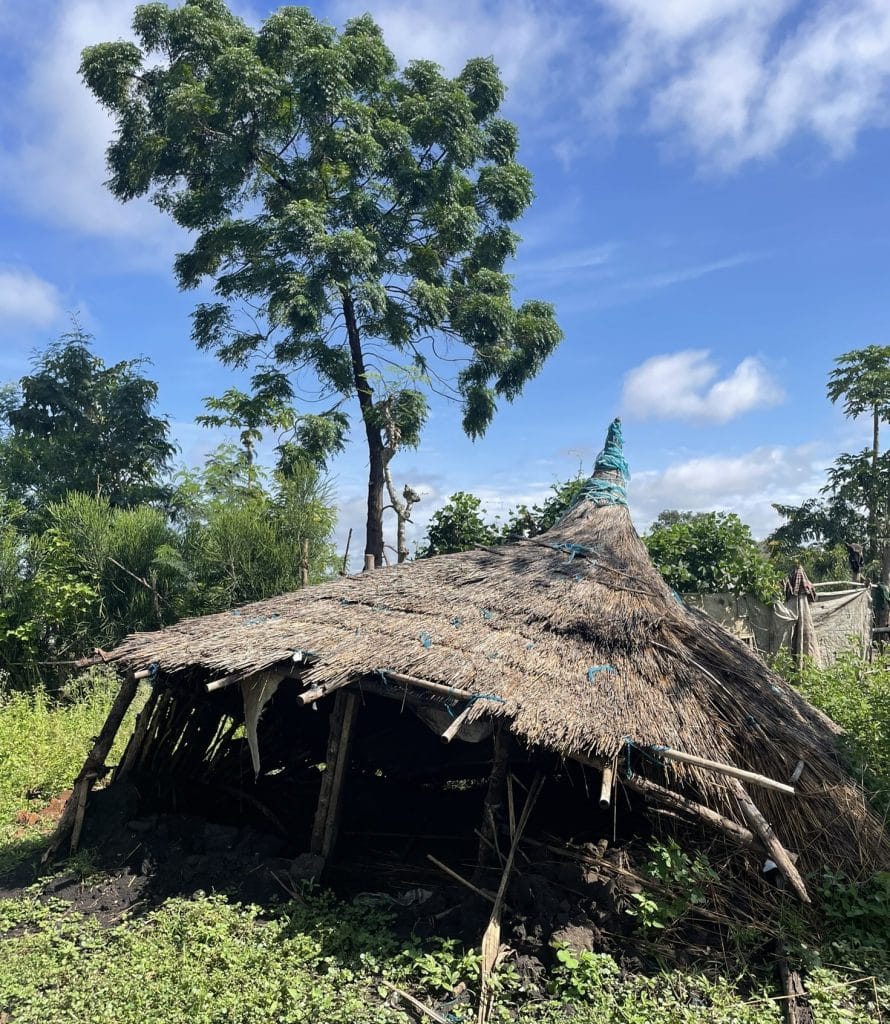
This in-depth assessment, drawing primarily on data collected in 2024, examines climate change response strategies in the refugee and host communities of Nyumanzi settlement (Adjumani